
Overview: DiSC Health and Howard University Hospital have outlined three straightforward preventive wellness habits to protect family vitality: cut out hidden added sugars by skipping flavored beverage syrups, enforce a twenty-second handwashing routine to stop germ transmission, and convert television commercial breaks into quick heart-healthy movement intervals.

DISC Health Equity Action Lab
Howard University Hospital and DiSC bring practical preventive care home with three quick daily moves to guard heart health, ward off germs, and cut empty calories.
Simple Habits That Build Lasting Vitality
Building a healthy lifestyle does not require an overhaul of your daily schedule. Sustainable wellness starts with small, deliberate choices that fit naturally into your work, home life, and family routines.
Through its ongoing partnership with Howard University Hospital, DiSC Health highlights straightforward, expert-backed wellness practices designed to protect community health. This week, the focus turns to mindful nutrition, effective germ defense, and effortless daily movement.
1. Limit Added Sugars for Steady Energy
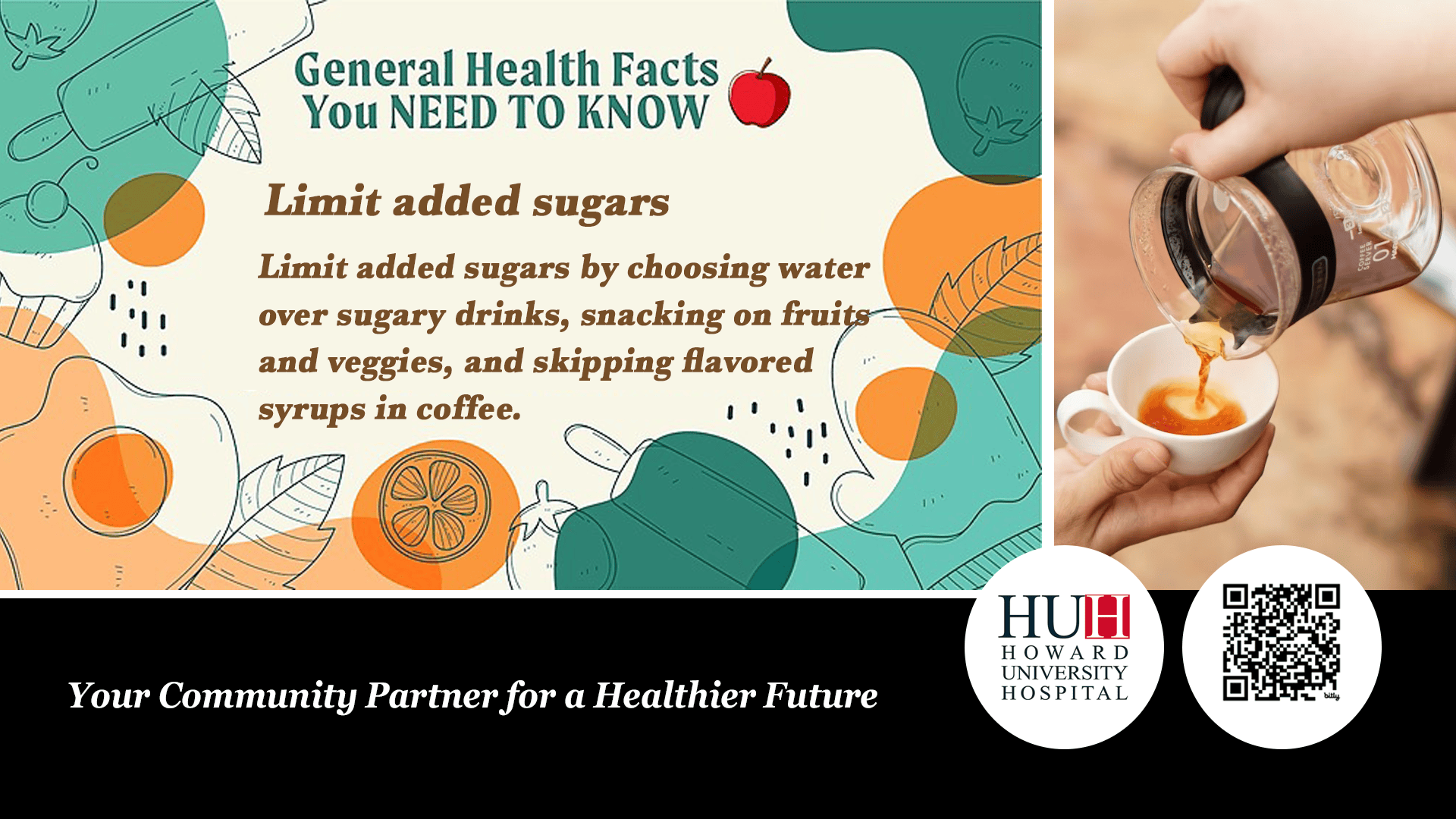
Added sugars often sneak into meals through unexpected places, from breakfast drinks to packaged afternoon snacks. Over time, high sugar intake contributes to afternoon fatigue, weight gain, and elevated risks for chronic conditions like type 2 diabetes and heart disease.
To keep your blood sugar balanced and energy steady throughout the day, focus on these manageable adjustments:
Rethink your morning cup: Skip flavored syrups, whipped toppings, and heavy creamers in your daily coffee or tea. Choosing black coffee, unsweetened almond milk, or a dusting of cinnamon provides rich flavor without the sugar spike.Hydrate with intention: Swap out sweetened sodas, sweet tea, and processed fruit juices for crisp cold water, sparkling water, or water infused with fresh lemon and cucumber slices.Snack on whole foods: When midday cravings hit, reach for raw vegetables, crisp apples, fresh berries, or a handful of nuts instead of packaged cookies or pastries.
2. Stop Germs with the 20-Second Handwashing Rule
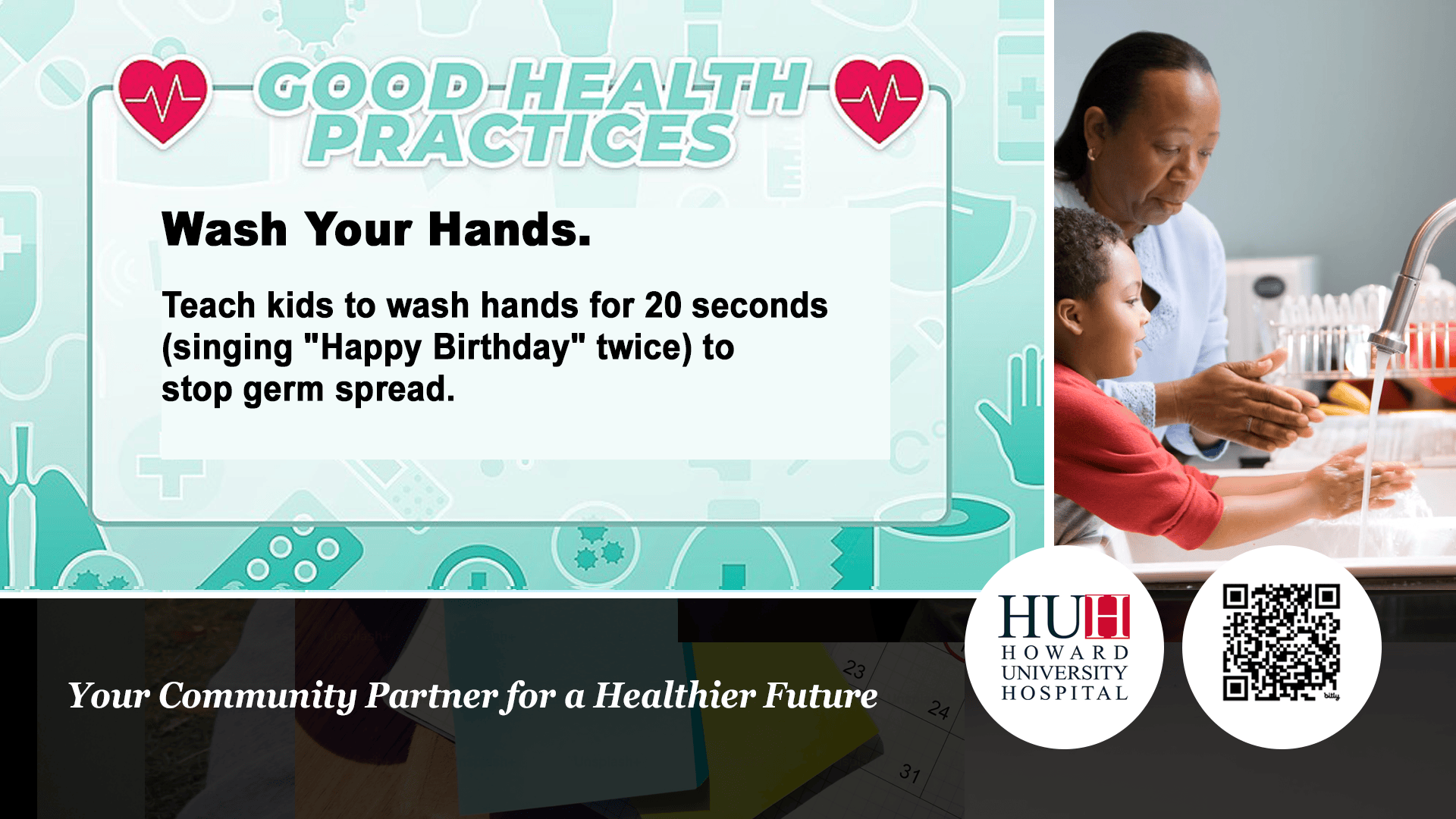
Hand hygiene remains the single most effective defense against seasonal colds, respiratory viruses, and foodborne infections. While most people wash their hands daily, many rush through the process, leaving bacteria and viruses behind.
Howard University Hospital recommends turning handwashing into a consistent household ritual:
Follow the clock: Lather with soap and warm water, scrubbing the backs of hands, between fingers, and under fingernails for at least twenty seconds.Teach the song trick: Teach children to sing the "Happy Birthday" song twice from start to finish while scrubbing. This creates a fun, reliable timing cue that ensures every wash is thorough.Target key moments: Wash hands immediately after returning home, before preparing or eating meals, after using the restroom, and after coughing or blowing your nose.
3. Get Active During Commercial Breaks
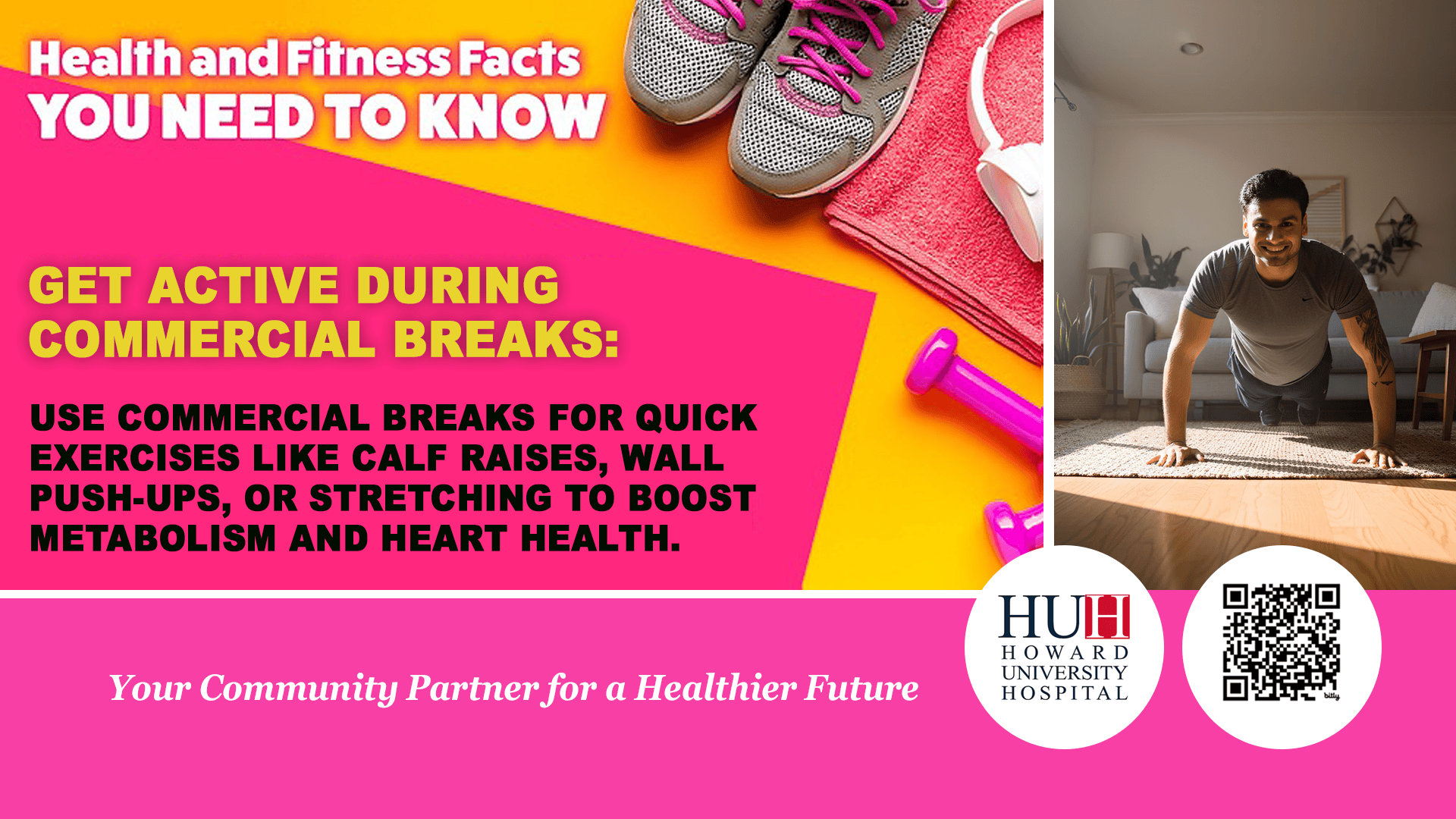
Finding forty-five minutes for a dedicated gym session can feel difficult on busy weekdays. Fortunately, short micro-movements throughout the evening deliver measurable cardiovascular and metabolic benefits.
Instead of remaining seated on the couch during television commercial breaks or streaming pauses, use those two to three minutes for quick bodyweight movements:
Calf raises: Stand upright behind your sofa or near a wall and raise onto your toes for twenty repetitions to stimulate lower-leg circulation.Wall push-ups: Place your hands flat against an open wall at shoulder width and perform controlled push-ups to build upper-body and core tone.Standing stretches: Reach overhead, stretch your hamstrings, and roll your shoulders back to relieve stiffness built up from hours of desk work.
Combining these micro-bursts of exercise across an evening of television adds up to ten or fifteen minutes of real physical activity, helping regulate blood pressure and energize your body before bed.
Community Health in Action
Through community-centered resources and digital outreach, Howard University Hospital continues to provide accessible preventive education that empowers individuals and families across the region. By cutting liquid sugars, scrubbing away household germs, and staying active at home, you take decisive ownership of your personal health.
About
DISC Health
The Health Equity Action Lab (HEAL) is an initiative by Dynasty Interactive Screen Community aimed at addressing health disparities in the U.S. and globally. By engaging media and stakeholders, HEAL seeks to reduce health inequalities and raise awareness. Their approach includes overcoming socio historical barriers and confronting the institutional, social, and political factors that perpetuate healthcare inequality.
Learn more about the health education partnership:
Howard University Hospital (HUH)
Howard University Hospital, established in 1862 as Freedmen’s Hospital, has a rich history of serving African Americans and training top medical professionals. Located in Washington, D.C., it is the only teaching hospital on the campus of a historically Black university. HUH is a Level 1 Trauma Center and a critical healthcare provider for underserved populations. It offers advanced medical services, including robotic surgery, and has received numerous accolades for excellence in specialties like heart care, stroke treatment, and radiology.
Learn more about Howard University Hospital (HUH)
Howard University Faculty Practice Plan (FPP)
The Howard University Faculty Practice Plan is a multi-specialty physician group in Washington, D.C., dedicated to advancing healthcare and eliminating health disparities. It offers comprehensive services, including primary and specialty care, mental health, imaging, and cancer care, all connected to Howard University Hospital. FPP emphasizes patient-centered, respectful care for the diverse community and provides free health screenings and events to promote wellness.
Learn more about Howard University Faculty Practice Plan (FPP).
Get more Disc Health Weekly Tips:
#DiSCHealth #HowardUniversityHospital #HealthyLiving