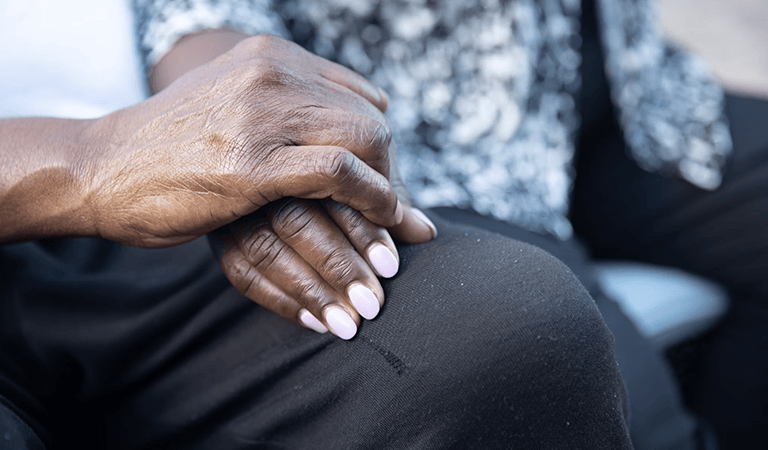

Overview: The Alzheimer’s Association says older Black Americans are about twice as likely as older white Americans to have Alzheimer’s or another dementia indications. But the gap disappears once overall health and socioeconomic status are considered, which confirms findings showing there’s no racial predisposition to dementia.
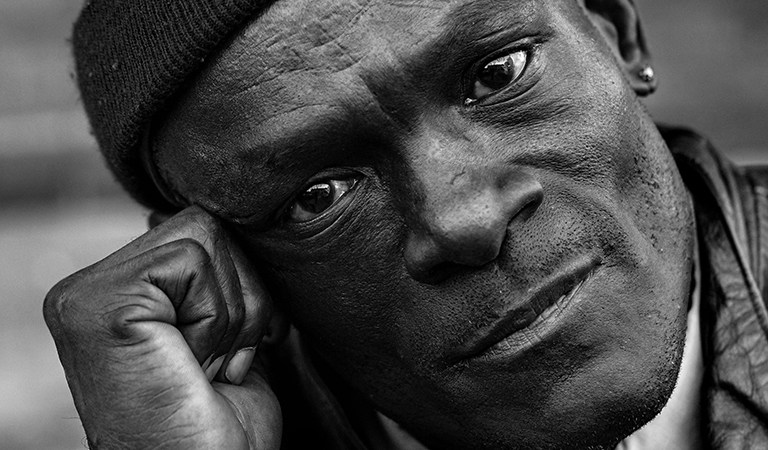
While individuals may notice change in cognitive ability as early as age 45, there are ways to distinguish age-related changes from dementia-related diseases.
America’s aging population continues to grow, with nearly 1 in 5 Americans aged 65 or older. In fact, older adults now outnumber children in half of all U.S. counties.
Research also shows that nearly 1 in 10 adults over 65 has dementia, according to a study published in the journal JAMA Neurology. Another 22% have mild cognitive impairment, a stage between normal cognitive aging and dementia.
Black Americans are about twice as likely as older white Americans to have Alzheimer’s or another form of dementia, according to the Alzheimer’s Association. Yet a roughly equal number of Black and white adults report experiencing milder cognitive impairment.
What increases risk among Black Americans are the social determinants of health that are linked to socioeconomic status. This includes access to doctors, affordable medication, healthy food, and safe, walkable neighborhoods, according to noted geriatrician Dr. Sharon Brangman.
Brangman is director of the Center of Excellence for Alzheimer’s Disease at The State University of New York Upstate University Hospital. Word In Black asked Brangman for pointers on understanding the differences between normal cognitive aging and the onset of actual diseases such as dementia and Alzheimer’s. The following has been edited for length and clarity. If you notice persistent changes in memory, talk with a licensed healthcare provider.
#BrainHealth #DementiaAwareness #HealthyAging