

Overview: What is Type 3 diabetes, and does it exist?
Type 3 diabetes describes Alzheimer’s disease triggered by insulin resistance inside the brain. Major medical organizations do not yet recognize it as an official clinical diagnosis. However, research reveals that brain cells require insulin to process glucose. When neurons resist insulin, they lose energy, swell with inflammation, and trigger cognitive decline. This framework explains the strong link between metabolic disorders and dementia.
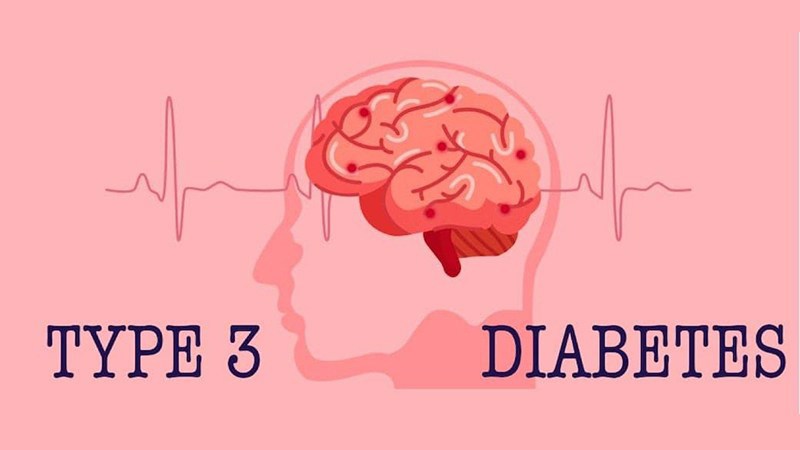
Decoding the Emerging Science Between Brain Insulin Resistance, Metabolic Health, and Alzheimer’s Disease
Decoding Brain Insulin Resistance and Memory Loss
Scientists frequently explore how diabetes directly influences cognitive health. Some clinical studies suggest medical professionals should classify Alzheimer’s disease as a metabolic disorder.
Researchers hypothesize that localized insulin resistance triggers this brain disease. When brain cells cannot utilize insulin, they starve.
Dr. Guojun Bu, a Mayo Clinic neuroscientist, notes that people with Type 2 diabetes face higher Alzheimer’s risks. Damaged blood vessels reduce blood flow to the brain. Furthermore, certain genetic factors stop brain cells from processing insulin efficiently. Over time, these starved cells die. Unofficially, scientists call this condition Type 3 diabetes.
The APOE4 Gene and Metabolic Connections
Researchers link over 50 percent of Alzheimer’s cases to the APOE4 gene variant. This gene appears to interrupt normal brain insulin signaling.
Clinically, diabetes mellitus describes a state where the body cannot convert sugar into energy. Most people recognize three standard forms of diabetes:
Type 1 Diabetes: The pancreas stops producing sufficient insulin, which causes blood sugar to rise.
Type 2 Diabetes: The body cells resist insulin, which drives blood glucose levels dangerously high.
Gestational Diabetes: Hormonal changes cause temporary high blood sugar during pregnancy.
Type 3 diabetes connects these same metabolic breakdowns directly to brain cells.
Is Alzheimer’s Disease Actually Diabetes of the Brain?
Many people refer to Alzheimer’s as diabetes of the brain. While science supports this idea, the phrase oversimplifies a complex condition.
Medical research divides secondary metabolic complications into several categories. These include rare genetic mutations, pancreatic injuries, hormone shifts, environmental toxins, drug interactions, and autoimmune disorders.
Because brain insulin resistance damages neural networks, the symptoms mirror early-stage dementia. Patients often experience noticeable shifts in thinking, reasoning, and daily memory recall.
Common Symptoms of Cognitive Decline
The signs linked to Type 3 diabetes match the symptoms of Alzheimer’s disease. According to the Alzheimer’s Association, key warning signs include:
- Memory loss that disrupts daily life and social plans
- Trouble completing familiar household tasks
- Misplacing household items on a regular basis
- Poor judgment and decreased problem-solving ability
- Rapid mood changes, anxiety, or personality shifts
Recognizing these symptoms early helps families seek timely medical guidance and support.
Official Medical Status and Diagnosis
The American Diabetes Association does not officially classify Alzheimer’s as a diabetes subtype. The medical community continues to treat the two conditions as distinct health issues.
Currently, doctors have no standalone lab test for Type 3 diabetes. Instead, physicians identify Alzheimer’s disease through comprehensive medical evaluations.
A standard assessment includes neurological testing, cognitive exams, and detailed family health histories. Ongoing clinical trials may soon provide targeted therapies that treat insulin resistance directly within the brain.
The Narrative Matters!
References:
Douda, D. (November 7, 2017). Mayo Clinic Minute: Is Alzheimer’s Type 3 Diabetes? Mayo Clinic Minute: Is Alzheimer’s Type 3 diabetes? – Mayo Clinic News Network
Fatima, S. (April 5, 2022). Type 3 Diabetes Causes, Symptoms and More. Type 3 Diabetes – Causes, Symptoms & Treatment – Sugar.Fit (sugarfit.com)
Matthews, J. (2023). https://www.palmettoendocrinology.org/blog/type-3-diabetes-and-alzheimers-disease-what-you-need-to-know#
Richards, L. (June 9, 2023). Type 3 diabetes explained. Type 3 diabetes: Causes, symptoms, treatment, comparison (medicalnewstoday.com)
#Type3Diabetes #BrainHealth #AlzheimersInsight
#BrainHealth #Type3Diabetes #AlzheimersAwareness