
Overview: As traditional mental health insurance coverage shrinks and youth suicide rates climb, millions of Americans are turning to conversational AI chatbots for therapy and crisis support. The trend is especially acute among Black youth ages 12 to 21, who turn to AI bots for mental health guidance at five times the rate of their white peers. Medical professionals warn that while large language models simulate empathy, algorithms cannot provide genuine human connection, safely de-escalate acute psychological crises, or replace licensed clinical care.
Why Millions in Crisis Are Leaning on Algorithmic Empathy Over Licensed Therapists
Millions of Americans are using chatbots for emotional support — and Black youth and adults are doing so at higher rates. One doctor’s own crisis reveals the potential danger.
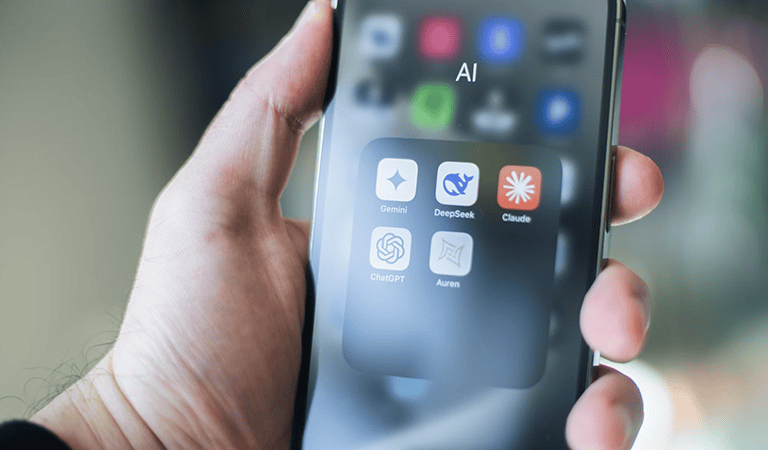
Calls from leading artificial intelligence executives to slow the pace of advanced AI development have intensified debate over safety, regulation and the economic implications of the rapidly evolving technology. Credit: Photo Illustration by Cheng Xin / Getty Images
A rapidly rising share of people — especially teens, young adults and Black Americans — are turning to AI chatbots for mental health care when they’re in crisis instead of licensed professionals.
This alarming trend comes amid a sharp incline in suicide rates during the past 25 years and a drop in the number of Americans who have insurance coverage for mental health treatment.
Clinicians and researchers say the confluence of the two is putting an unprecedented number of people — especially young people — in harm’s way and deserves attention. And they warn that AI chatbots aren’t your buddy or a substitute for a therapist or professional help.
Suicide is the 10th leading cause of death in the United States. In 2024, the most recent data available, more than 48,000 people took their own lives. That’s a slight decrease from the prior year but still up more than 30% from 25 years ago.
Suicide rates among Black Americans have been climbing quickly and sharply. Although the rate is lower than the U.S. population overall, an analysis by the KFF found a 58% jump in suicides by Black people between 2011 and 2021 — five times the increase recorded among white Americans during that decade.
Young people are driving much of that shift. Suicide rates among Black children and young adults ages 10 to 24 climbed 36.6% from 2018 to 2021 — the largest increase of any demographic group in that age range.
But instead of traditional mental health support, studies show Americans increasingly embrace technology as a therapy tool. Black adults also are using artificial intelligence for mental health advice slightly more often than white adults. According to the studies, Black youths ages 12 to 21 are five times more likely than white youths to turn to AI monthly or more for help.
#MentalHealth #ArtificialIntelligence #YouthWellness