
Overview: What are this week’s top health tips?
This week’s DiSC Health guidance focuses on three accessible, high-yield lifestyle adjustments:
Hydrate Consistently: Drinking just one additional glass of water each day supports cellular energy, aids recovery, and promotes skin vitality.
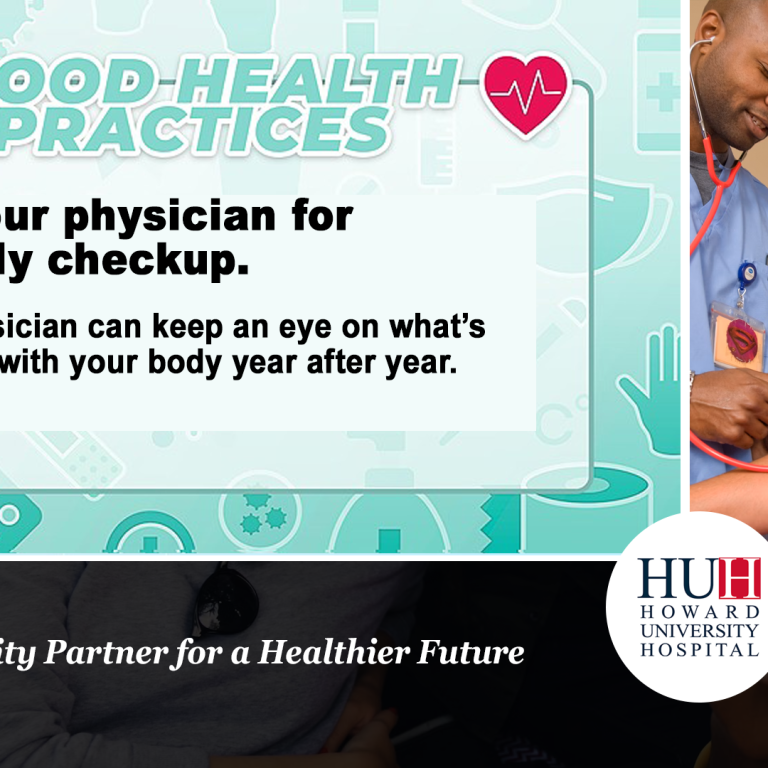
Unplug Digitally: Stepping away from social media feeds for a full day reduces comparison fatigue, lowers stress, and resets mental clarity.
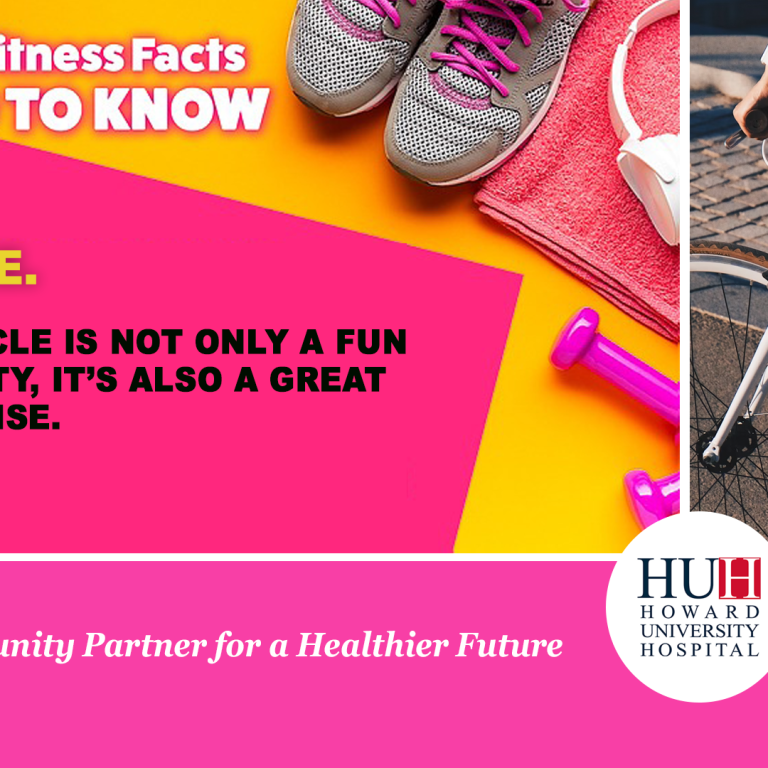
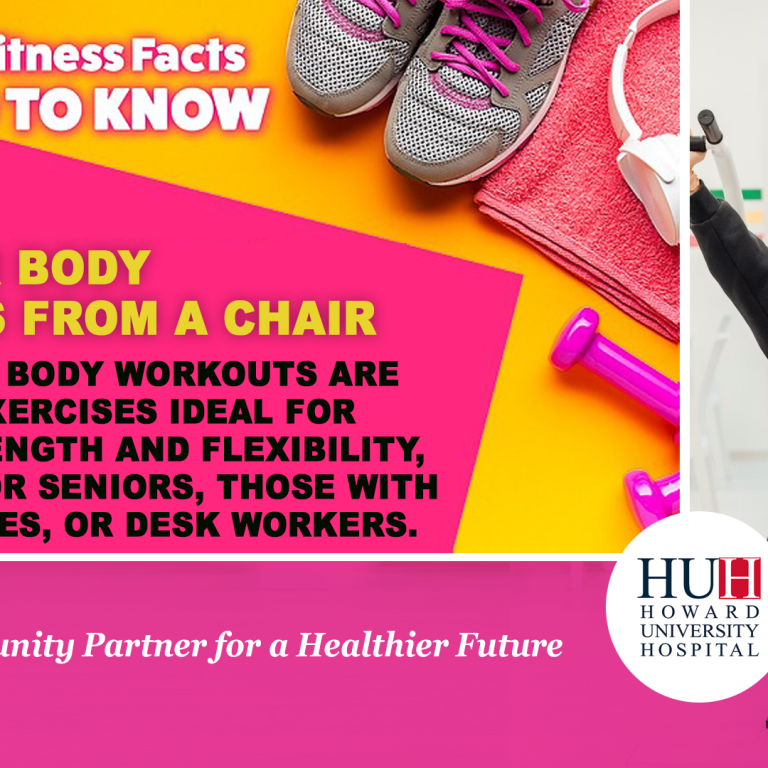
Move in the Water: Swimming delivers a low-impact, full-body cardiovascular workout that builds stamina, protects joint health, and improves sleep quality.
DISC Health Equity Action Lab
Three actionable wellness plays to elevate energy, restore mental clarity, and build total-body endurance.
Simple, manageable choices add up quickly over time. Adding an extra glass of water to your daily routine sharpens energy and skin vitality, stepping away from social media clears mental clutter, and diving into the pool delivers a restorative, full-body workout.
Small daily actions create lasting changes in personal health. Powered by DiSC Health and Howard University Hospital, these three straightforward tips focus on practical ways to fuel your body, protect your mindset, and stay active.
- Cellular Hydration: Drink an extra glass of water daily to maintain peak energy levels, assist workout recovery, and enhance complexion.
- Mindful Disconnection: Take a deliberate break from social feeds to recharge your mental bandwidth and reset emotional well-being.
- Full-Body Conditioning: Incorporate swimming into your weekly routine for a joint-friendly cardio session that builds stamina and improves sleep quality.
- General Health Facts: Drink More Water
- Good Health Practices: Take a Break from Social Media
- Health and Fitness Facts: Time to Dive In
How an extra glass of water, a digital detox, and a low-impact swim session create sustainable daily vitality.
1. General Health Facts: Drink More Water
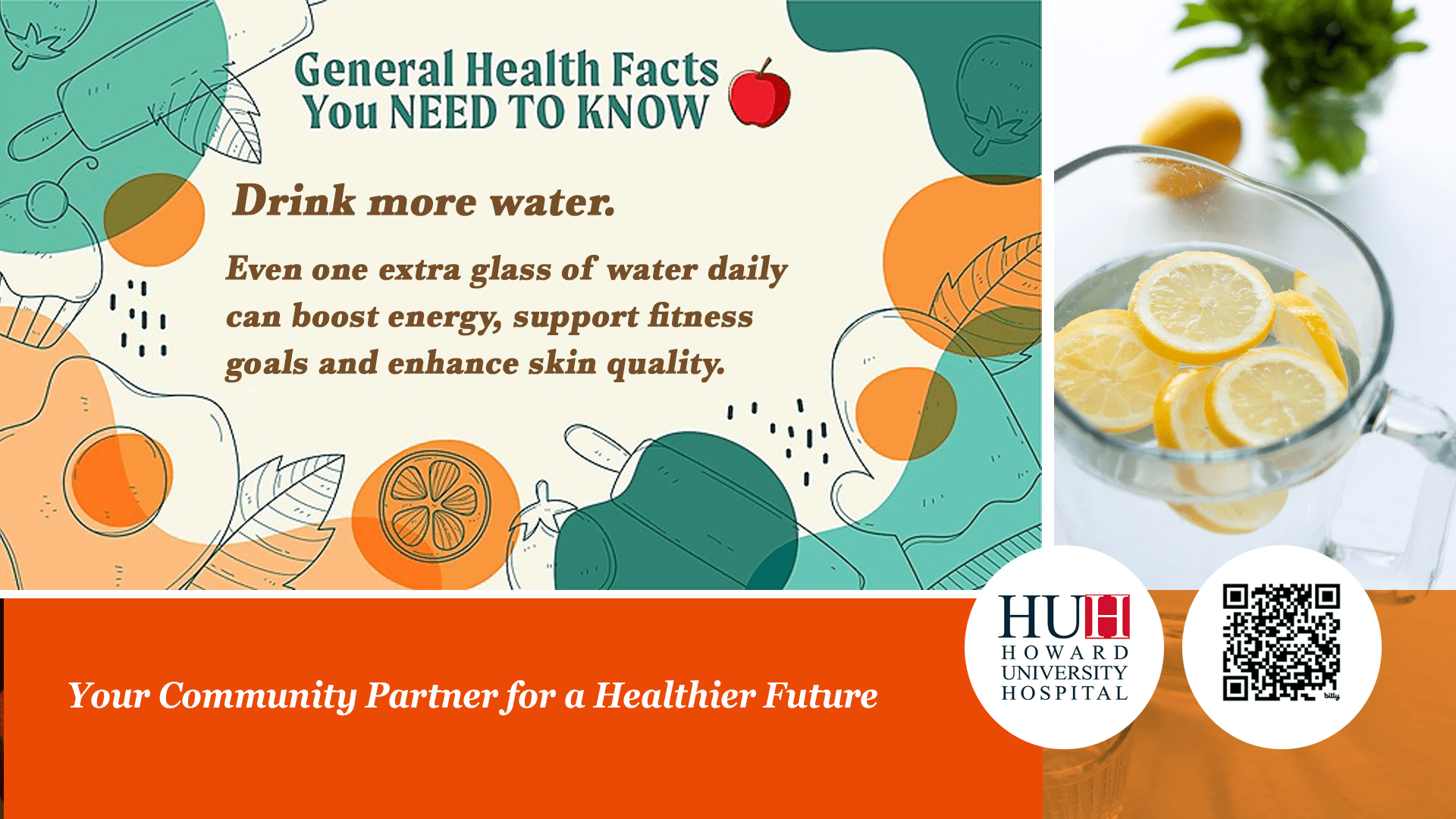
Hydration forms the foundation of every major physiological process, yet mild dehydration remains one of the most common drains on daily vitality. You don’t need to drastically revamp your intake overnight—simply committing to one extra glass of water each day makes a noticeable difference. Adequate water intake optimizes cellular metabolism, keeps joints lubricated, and aids nutrient absorption, delivering steady, natural daytime energy without a caffeine crash. For active routines, proper fluid levels maintain muscle endurance and regulate internal body temperature. Over time, consistent hydration also flushes toxins, reinforces skin elasticity, and promotes a clearer, healthier complexion.
2. Good Health Practices: Take a Break from Social Media
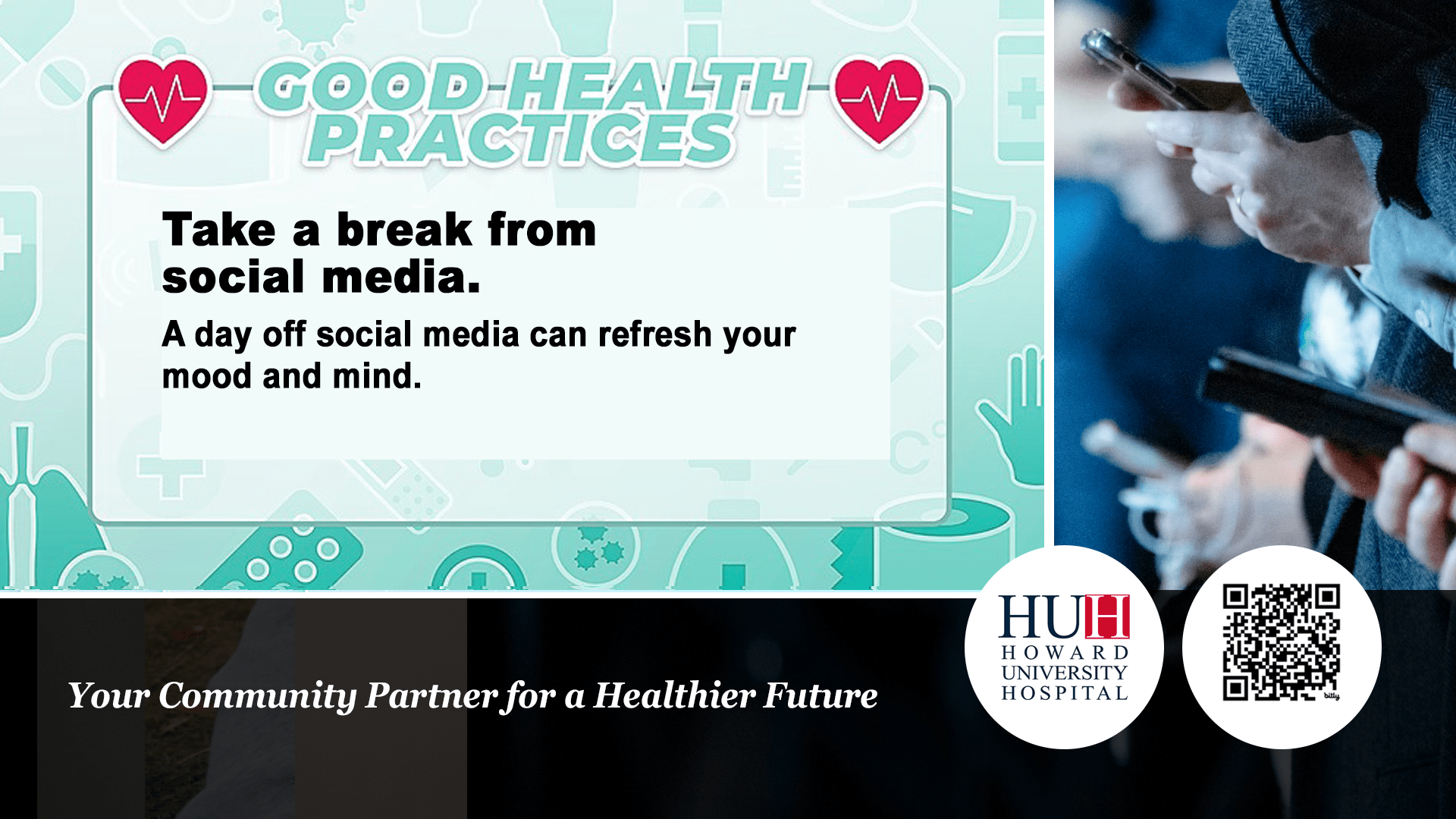
Constant digital connectivity places an invisible, sustained demand on cognitive bandwidth. Taking an intentional pause from social media—even for just a single day—gives the nervous system room to decompress. Mindless scrolling frequently triggers comparison fatigue, information overload, and micro-spikes in stress hormones. Stepping back allows you to break the compulsive dopamine feedback loop of alerts and notifications, lowering baseline anxiety and refreshing your mood. This digital downtime creates immediate space to be present in your immediate surroundings, reconnect in person, and restore emotional equilibrium.
Health and Fitness Facts: Time to Dive In
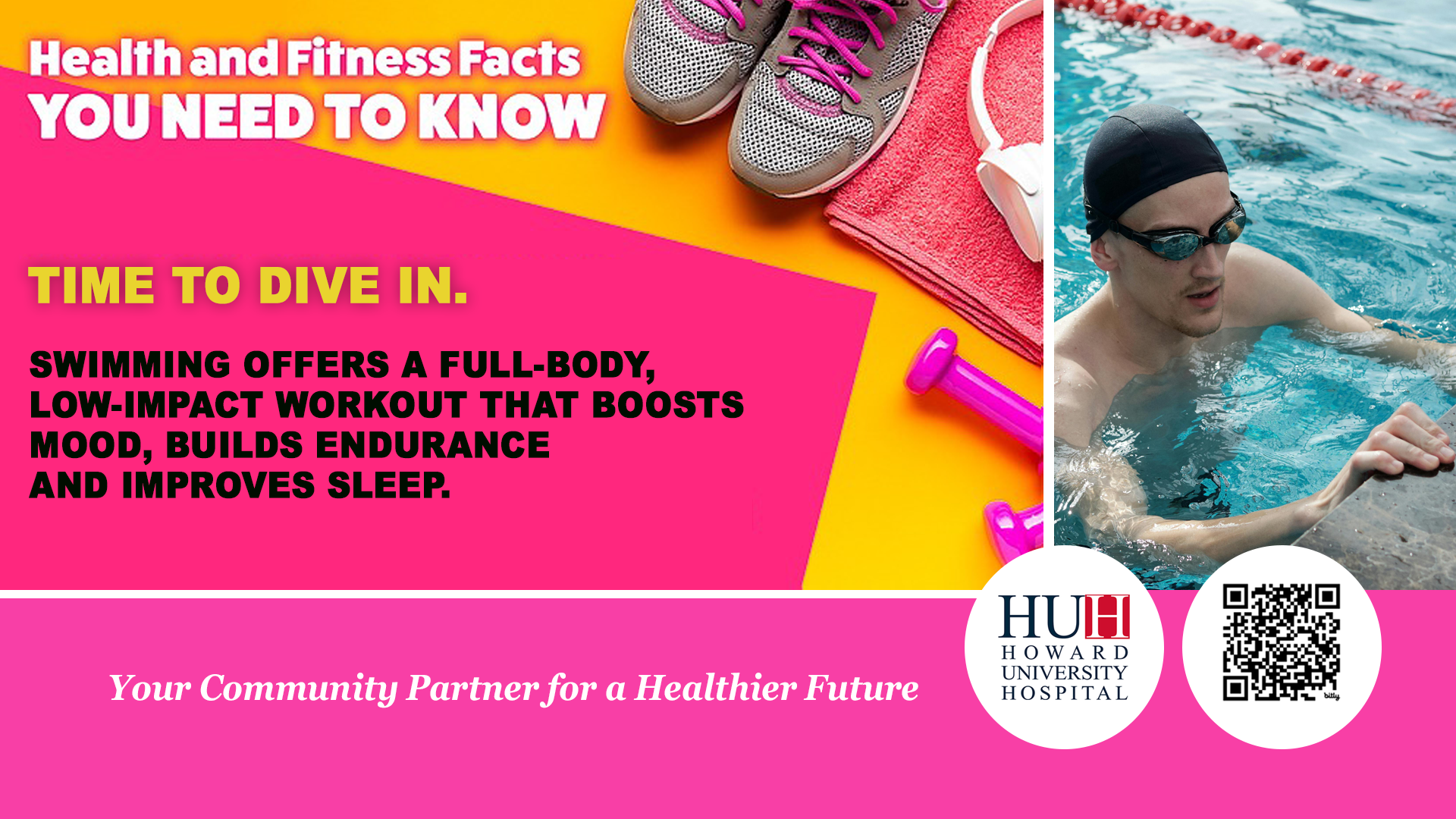
When it comes to comprehensive conditioning, swimming stands out as one of the most effective full-body workouts available. Water provides continuous, natural resistance that strengthens major muscle groups across your core, back, shoulders, and legs simultaneously. Because water supports your body weight, swimming delivers this high-output aerobic burn with virtually zero high-impact stress on knees, hips, and ankles—making it ideal across every fitness level. The steady, rhythmic breathing and bilateral motion also promote mental calm, build cardiovascular endurance, and regulate circadian rhythms for deeper, more restorative sleep at night.
Sustainable wellness comes down to consistent, repeatable habits. Staying properly hydrated, scheduling mindful breaks from screens, and engaging in low-impact movement give both body and mind the balanced support they need to thrive.
About
DISC Health
The Health Equity Action Lab (HEAL) is an initiative by Dynasty Interactive Screen Community aimed at addressing health disparities in the U.S. and globally. By engaging media and stakeholders, HEAL seeks to reduce health inequalities and raise awareness. Their approach includes overcoming socio historical barriers and confronting the institutional, social, and political factors that perpetuate healthcare inequality.
Learn more about the health education partnership:
Howard University Hospital (HUH)
Howard University Hospital, established in 1862 as Freedmen’s Hospital, has a rich history of serving African Americans and training top medical professionals. Located in Washington, D.C., it is the only teaching hospital on the campus of a historically Black university. HUH is a Level 1 Trauma Center and a critical healthcare provider for underserved populations. It offers advanced medical services, including robotic surgery, and has received numerous accolades for excellence in specialties like heart care, stroke treatment, and radiology.
Learn more about Howard University Hospital (HUH)
Howard University Faculty Practice Plan (FPP)
The Howard University Faculty Practice Plan is a multi-specialty physician group in Washington, D.C., dedicated to advancing healthcare and eliminating health disparities. It offers comprehensive services, including primary and specialty care, mental health, imaging, and cancer care, all connected to Howard University Hospital. FPP emphasizes patient-centered, respectful care for the diverse community and provides free health screenings and events to promote wellness.
Learn more about Howard University Faculty Practice Plan (FPP).
Get more Disc Health Weekly Tips:
Subtitle: How an extra glass of water, a digital detox, and a low-impact swim session create sustainable daily vitality.
#DISCHealth #HealthyHabits #WellnessTips