

Overview: Reclaiming steady energy and long-term physical wellness comes down to small, consistent lifestyle choices rather than extreme fitness overhauls. Adding probiotic fermentables like kefir or kimchi daily protects gut integrity and strengthens immune function. Cutting out caffeine and heavy meals six hours before sleep allows the body to complete vital overnight cellular repair, while habit-stacking single-leg balance drills into morning routines trains neuromuscular coordination to prevent future mobility injuries.

DISC Health Equity Action Lab
Proven Daily Habits to Rebalance Your Gut Microbiome, Deepen Restorative Sleep, and Sharpen Neuromuscular Stability
DISC Health 3 Health Tips of the Week: Reclaim Gut Power, Deep Sleep, and Total Body Stability
Overview: Real physical vitality comes down to daily rhythm rather than extreme diets or complex gym programs. Incorporating fermented foods, cutting late stimulants, and practicing single-leg balance drills build a reliable foundation for long-term health. Presented in partnership with Howard University Hospital, these three accessible habits boost digestive flora, protect deep sleep cycles, and enhance musculoskeletal stability across every stage of life.
Proven Daily Habits to Balance Your Microbiome, Deepen Restorative Sleep, and Sharpen Neuromuscular Control
Most professionals juggle high-pressure schedules, erratic meal times, and fragmented sleep. We often believe that correcting physical burnout requires radical lifestyle overhauls or expensive wellness subscriptions. The biological reality is simpler. Strategic, daily microscopic adjustments create immediate energy dividends and protect systemic health over decades.
This week, DISC Health collaborates with Howard University Hospital to deliver three practical wellness habits. These actionable techniques require zero extra hours in your day, fitting effortlessly into meals, evening wind-downs, and morning routines.
Tip 1: Fuel Your Gut Microbiome with Fermented Foods

Your gastrointestinal tract controls far more than digestion. It regulates nearly seventy percent of the body’s immune system and manufactures essential neurotransmitters that govern mood, focus, and mental endurance. Modern packaged foods and constant workplace stress deplete beneficial gut bacteria, leading to systemic inflammation and sluggish afternoons.
You can turn this around by adding active fermentables to your daily meals. Plain Greek yogurt, tangy kefir, kimchi, sauerkraut, and traditional miso introduce diverse strains of live probiotics straight into your digestive system. These live cultures break down nutrients, support the intestinal barrier, and fight harmful bacterial overgrowth.
Make it effortless. Spoon a cup of plain kefir into a morning smoothie, swap heavy sandwich spreads for raw fermented kraut, or enjoy a side of spicy kimchi with dinner. Your gut bacteria thrive on consistency, and feeding them daily pays off in sharper focus, better immunity, and sustained physical vitality.
Tip 2: Lock In Deeper Sleep by Cutting Late Stimulants and Heavy Dinners
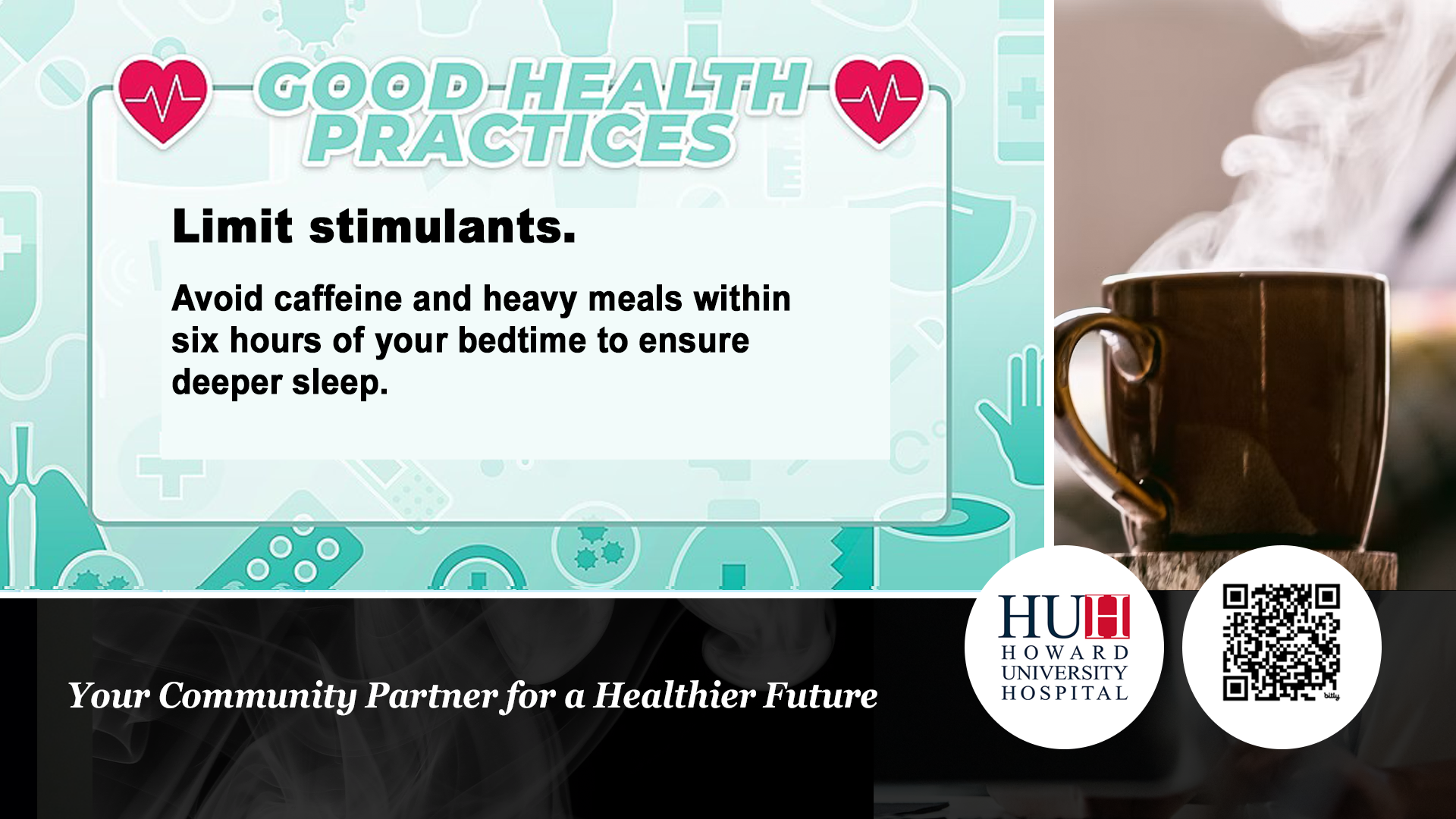
Nothing drains daytime performance faster than fractured, shallow sleep. Many people assume a late cup of coffee or a late night dinner only causes trouble if it prevents them from falling asleep. The deeper problem lies in how these stimulants destroy sleep architecture.
Caffeine has an average half-life of five to seven hours. Drinking espresso, black tea, or energy drinks late in the afternoon keeps caffeine molecules bound to adenosine receptors in the brain, blocking the natural signals that guide your body into slow-wave deep sleep. Eating heavy, rich meals late in the evening forces your gastrointestinal tract and liver to work through the night. This elevated metabolic activity raises internal core body temperature and spikes nighttime heart rates.
Establish a firm six-hour buffer before bedtime. Cut off all caffeinated beverages and finish substantial, dense dinners at least six hours before your head hits the pillow. If late evening hunger strikes, choose a light snack like a handful of raw almonds or a small bowl of plain oatmeal. Giving your digestion a rest allows your internal organs to run their vital cellular repair cycles uninterrupted.
Tip 3: Train Neuromuscular Stability with Habit-Stacked Single-Leg Drills
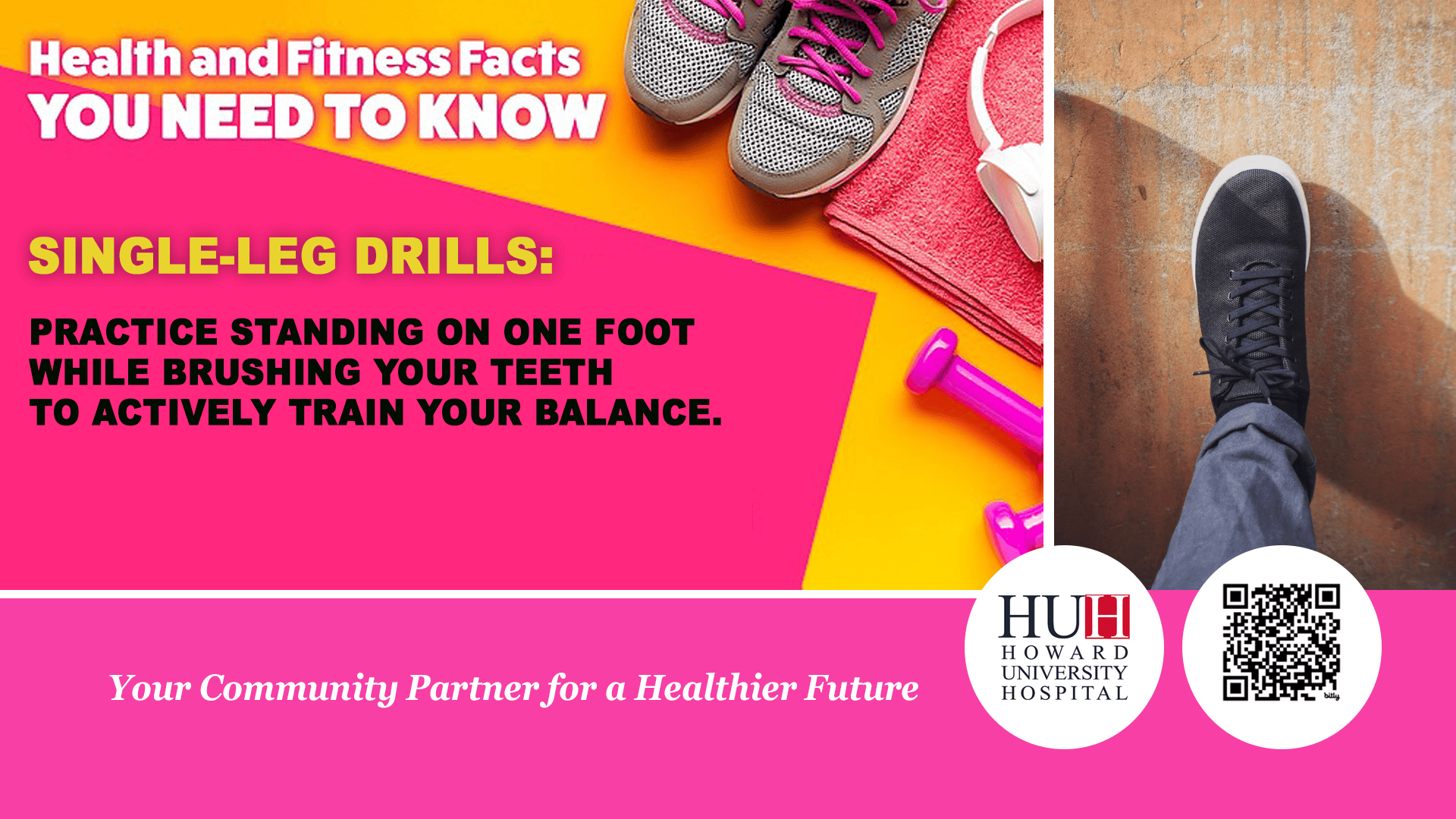
Balance represents one of the most neglected pillars of functional fitness. As we age or spend extended hours sitting at desks, our brains gradually lose fine-tuned neuromuscular feedback with the stabilizing muscles of the feet, ankles, and hips. Poor balance increases fall risks, triggers lower back pain, and erodes joint stability.
You do not need dedicated gym sessions or balance boards to train your nervous system. You can habit-stack balance drills onto actions you already perform every morning and evening.
Practice standing on one foot while brushing your teeth. Lift your right foot slightly off the floor for the first sixty seconds while brushing your upper teeth, then switch to your left foot for the final sixty seconds. Keep your supporting knee soft, engage your core, and let the tiny stabilizer muscles in your foot and calf make micro-adjustments.
Once this feels comfortable, challenge your nervous system by closing your eyes for five to ten seconds. This simple habit recalibrates joint proprioceptors, strengthens the ankles, and builds reflexive balance that shields you against injuries for decades to come.
Small, focused daily choices create monumental health transformations. Commit to these three simple practices this week to restore your gut, reclaim restorative rest, and build an unshakable physical foundation.
About
DISC Health
The Health Equity Action Lab (HEAL) is an initiative by Dynasty Interactive Screen Community aimed at addressing health disparities in the U.S. and globally. By engaging media and stakeholders, HEAL seeks to reduce health inequalities and raise awareness. Their approach includes overcoming socio historical barriers and confronting the institutional, social, and political factors that perpetuate healthcare inequality.
Learn more about the health education partnership:
Howard University Hospital (HUH)
Howard University Hospital, established in 1862 as Freedmen’s Hospital, has a rich history of serving African Americans and training top medical professionals. Located in Washington, D.C., it is the only teaching hospital on the campus of a historically Black university. HUH is a Level 1 Trauma Center and a critical healthcare provider for underserved populations. It offers advanced medical services, including robotic surgery, and has received numerous accolades for excellence in specialties like heart care, stroke treatment, and radiology.
Learn more about Howard University Hospital (HUH)
Howard University Faculty Practice Plan (FPP)
The Howard University Faculty Practice Plan is a multi-specialty physician group in Washington, D.C., dedicated to advancing healthcare and eliminating health disparities. It offers comprehensive services, including primary and specialty care, mental health, imaging, and cancer care, all connected to Howard University Hospital. FPP emphasizes patient-centered, respectful care for the diverse community and provides free health screenings and events to promote wellness.
Learn more about Howard University Faculty Practice Plan (FPP).
Get more Disc Health Weekly Tips:
#DailyHealthTips #GutHealth #BetterSleep