

The right time for home care is actively before a medical crisis occurs. Early intervention prevents dangerous falls, reduces hospital readmissions, and drastically relieves caregiver burnout. By spotting subtle changes in daily living and medication habits early, families can maintain their loved one’s independence safely.
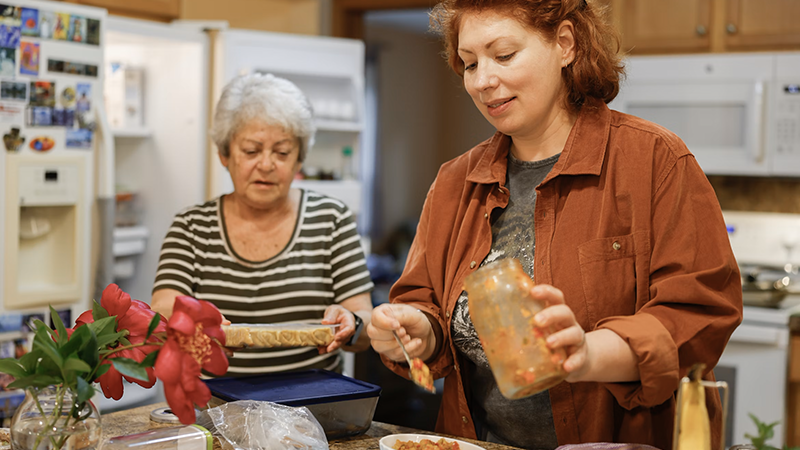
When Is the Right Time for Home Care – Caregiver helping a senior at home
For many families, asking when is the right time for home care happens gradually. Unopened mail stacks up, a loved one misses essential medications, or they experience a close call with a fall. You may find yourself wondering if it is time to get professional help.
The truth is, home assistance is most effective before a crisis happens. Recognizing the early warning signs protects your loved one’s safety and preserves their independence. It also eases the immense pressure on family caregivers. For more insights on managing this transition, read about navigating family health challenges on thenarrativematters.com.
Why Timing Your Home Care Decision Matters
Waiting for an emergency forces families into rushed, stressful decisions. Proactive in-home support prevents rapid health decline and supports a higher quality of life at home.
Early support provides measurable benefits for seniors:
- Reduces hospital readmissions: Professional oversight keeps chronic conditions stable [Citation placeholder: e.g., CMS.gov study on readmission rates].
- Prevents falls and accidents: Caregivers remove tripping hazards and assist with mobility.
- Improves medication adherence: Daily reminders ensure precise dosing schedules.
- Relieves caregiver stress: Respite care gives family members essential time to rest.
- Extends independence: Targeted help allows seniors to age in place longer.
Click here to learn more: At Home Care.

Clear Signs It Is Time for Home Support
Identifying the need for elder care requires paying attention to subtle behavioral shifts. Look for specific indicators across physical, cognitive, and household routines.
Changes in Physical Health and Safety
Physical decline often signals the immediate need for professional supervision. Key indicators include unexplained weight loss, poor nutrition, and ongoing safety concerns at home. If you notice bruises from unmentioned falls, professional home aides can mitigate these risks.
Cognitive and Medication Challenges
Memory changes require structured daily support. Warning signs include medication confusion, missed doctor appointments, and getting lost in familiar places. Caregivers trained in dementia or Alzheimer’s support provide essential structure.
Caregiver Burnout
Family members often push themselves to the point of exhaustion. If family caregivers experience chronic fatigue, depression, or an inability to manage their own lives, it is time to hire professional support. Consider exploring AARP’s caregiver resource guide [External Link Suggestion] for additional family support strategies.
Proactive Care vs. Reactive Care
Families often hesitate, fearing that hiring help means stripping away independence. In reality, the right support allows individuals to stay in the comfort of their own home on their own terms.
| Factor | Proactive Home Care (Early Action) | Reactive Care (Post-Crisis) |
|---|---|---|
| Decision Making | Thoughtful, collaborative, and unhurried | Rushed, stressful, and limited options |
| Health Outcomes | Maintains baseline health and prevents injuries | Often follows a severe hospital stay or injury |
| Cost Management | Gradual investment (e.g., 4-6 hours a week) | Immediate need for 24/7 or intensive facility care |
What to Do Next: 5 Steps to Begin
Recognizing the need for senior assistance is just the first phase. Follow this proven process to move forward with confidence and clarity.
- Start the Conversation Early: Talk openly with your loved one about their preferences. Frame the discussion around safety, comfort, and maintaining independence rather than focusing on limitations.
- Get a Professional Assessment: Request a formal care evaluation. A Registered Nurse (RN) or geriatric care manager will identify exact needs, from light housekeeping to skilled nursing.
- Create a Personalized Care Plan: Document a strategy tailored to the individual. The right plan reflects specific medical requirements, daily routines, and personal lifestyle goals.
- Choose a Trusted Provider: Partner with experienced, compassionate professionals. At Home Care proudly provides community-based services for veterans, seniors, and families across the region to ensure a smooth transition.
- Start Small: Begin with just a few hours a week. Families can gradually increase support hours as health needs evolve.
A Better Way Forward
There is no single perfect moment to start home assistance, but there are clear operational signs. Acting early prevents medical emergencies, drastically reduces family stress, and gives your loved one the professional support they deserve.
At Home Care proudly provides Home Care and Community-based services for veterans, seniors, and families across our region. To learn more about our veteran care programs or to speak with a Nurse Manager about developing a personalized care plan, visit AtHomeCareHealth.com or call 1-866-284-6638.
#HomeCare #SeniorSupport #CaregiverTips