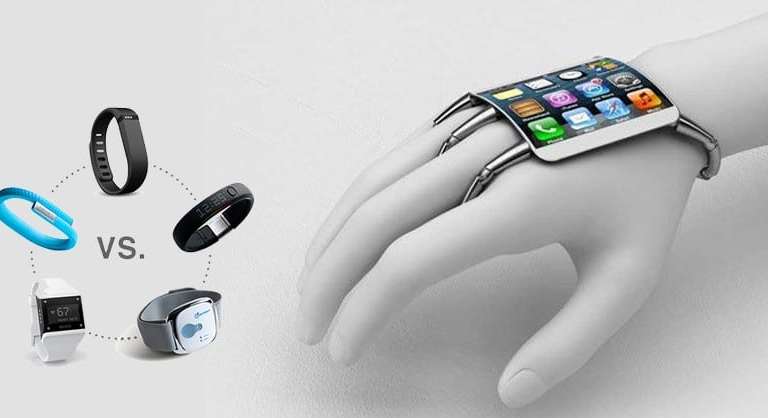

Overview: Medical wearables like smartwatches, continuous glucose monitors, and smart rings now offer clinical-grade tracking for heart arrhythmias, blood sugar spikes, and sleep recovery outside clinical settings. While these devices empower proactive care, high retail prices, recurring subscriptions, and sparse insurance coverage lock out lower-income consumers, deepening existing health disparities.
Why Life-Saving Biometric Health Trackers Remain Out of Reach for Lower-Income Patients
Health care once happened almost exclusively in clinic exam rooms and hospital wards. Today, millions of people monitor their vitals from their wrists, fingers, and arms. Consumer medical wearables have shifted care from a reactive scramble to continuous daily tracking.
Modern trackers pack clinical sensors into everyday accessories. As a result, they alert users to silent arrhythmias, track blood sugar, and map recovery.
However, these benefits are not shared equally. Lower-income populations face higher rates of chronic illness. Yet, steep financial barriers keep these vital tools out of reach.
Modern Capabilities: Beyond Simple Step Counting
Modern health wearables do far more than count daily steps. In fact, they capture vital health data with medical accuracy.
Cardiac Oversight and Arrhythmia Alerts
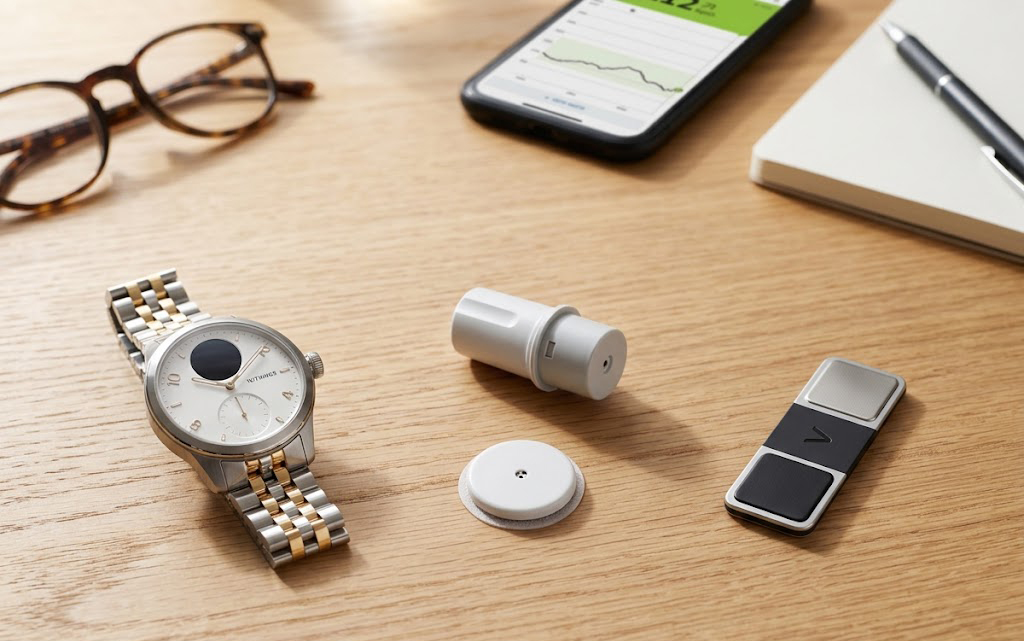
Devices like the Apple Watch and Withings ScanWatch feature single-lead, cleared ECG monitors. They passively track heart rhythms to flag early atrial fibrillation (AFib). In addition, they monitor blood oxygen levels and detect sudden falls.
Specialized portable tools go even further. For example, the AliveCor KardiaMobile 6L takes six-lead readings in thirty seconds. Consequently, patients can share clinical data directly with their doctors during emergencies.
Continuous Glucose and Metabolic Tracking
Continuous glucose monitors (CGMs) track interstitial glucose levels day and night. These tools, including the Abbott FreeStyle Libre, rely on a small skin sensor.
Originally, engineers designed CGMs for Type 1 and Type 2 diabetes. Today, however, non-diabetic users also turn to them. As a result, these sensors help people balance daily energy, choose better nutrition, and manage weight.
Sleep Staging and Daily Recovery
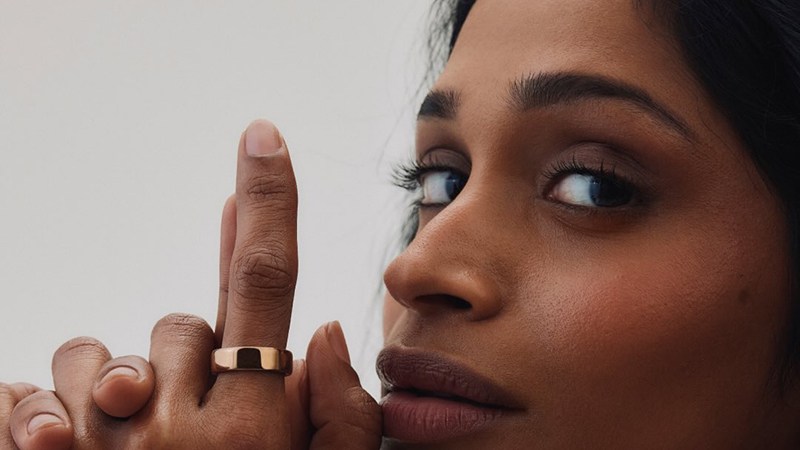
Alternative designs deliver deep sleep analysis. For instance, the Oura Ring and screenless WHOOP band track heart rate variability (HRV), resting pulse, and skin temperature changes.
Therefore, these trackers can warn users of oncoming illness before symptoms start. Furthermore, they map monthly hormonal cycles and help athletes avoid overtraining.
Why Continuous Biometric Tracking Matters
Continuous monitoring offers major advantages over periodic clinic visits.
Catching Hidden Illness Early
Conditions like intermittent AFib or mild sleep apnea often stay hidden during annual checkups. Fortunately, continuous tracking catches irregular body patterns right when they happen.
Empowering Chronic Illness Care
Real-time feedback takes the guesswork out of daily health routines. Patients with diabetes or heart issues can see immediate trends. Consequently, they make faster, safer lifestyle adjustments.
Enhancing Doctor Visits and Safety
Instead of relying on vague memories, patients can share weeks of objective data. In addition, automated fall detection and emergency alerts offer true peace of mind to older adults.
The Health Equity Challenge: Barriers for Lower-Income Consumers
While continuous tracking offers huge upsides, lower-income communities face steep barriers. This dynamic fuels a troubling digital health divide.
Steep Upfront Hardware Prices
Most clinical-grade trackers are expensive luxury electronics. Products like smartwatches and sensor rings cost anywhere from $300 to $600 or more. For families living paycheck to paycheck, spending hundreds of dollars on a preventative gadget is simply out of reach.
Recurring Subscription Costs
To make matters worse, hardware brands increasingly lock key features behind monthly paywalls. Subscriptions quickly become an ongoing burden. Therefore, when family budgets tighten, users cancel subscriptions, which makes the devices far less useful.
Insurance and Coverage Hurdles
Insurers readily cover clinical CGMs for severe conditions, but overall rules vary widely. Most Medicaid programs and private plans do not pay for preventative use. Consequently, consumers must pay out of pocket for replacement sensors and initial hardware.
Tech Gaps and Data Literacy Issues
Most wearables require a modern smartphone, reliable storage, and steady broadband to function. Thus, users with basic phones or prepaid cellular data encounter constant technical friction.
Additionally, raw biometric numbers can cause confusion. Without clinical guidance, complex HRV graphs or glucose swings trigger anxiety rather than healthy habits.
Practical Ways to Close the Divide
To make preventative technology truly fair, systemic solutions must follow:
Expanding Public Insurance: Medicaid programs should subsidize validated medical wearables as cost-saving preventative care.Community Clinic Distribution: Local clinics can run device loan programs and provide nurse-led data reviews for patients.Ending Paywalls on Core Health: Device makers must keep basic heart alerts, emergency SOS, and core data reports completely free of subscriptions.
Wearable technology has the power to transform personal wellness. However, its true value lies in reaching the people who need preventative care the most.
Top Wearables inlcude:
Apple Watch Series
Top all-around medical smartwatch for FDA-cleared ECG checks, irregular heart rhythm alerts, blood oxygen tracking, and fall detection.
Website: https://www.apple.com/watch/
Withings ScanWatch
Best hybrid analog smartwatch for clinical cardiac tracking, on-demand ECG, SpO2 monitoring, and sleep apnea detection.
Website: https://www.withings.com/
Abbott FreeStyle Libre
Leading continuous glucose monitor (CGM) for real-time interstitial blood sugar tracking without routine fingersticks.
Website: https://www.freestyle.abbott/
Oura Ring
Discreet, finger-worn smart ring designed for sleep staging, continuous skin temperature monitoring, illness prediction, and heart rate variability (HRV).
Website: https://ouraring.com/
#MedicalWearables #HealthEquity #DigitalHealth