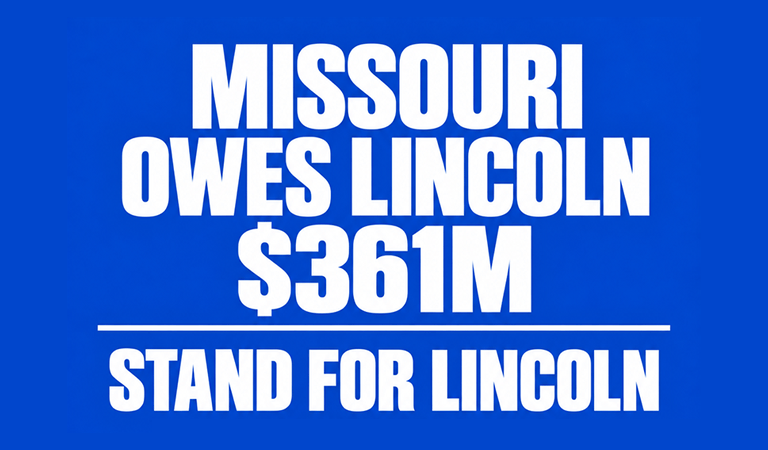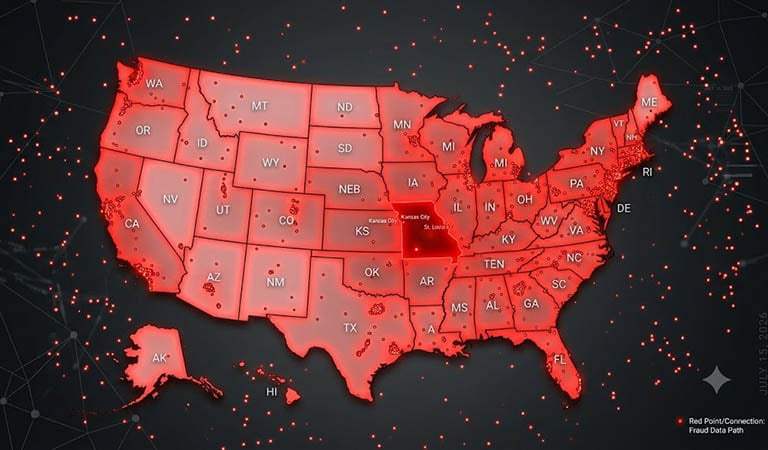

Overview: Sixteen states shortchanged nineteen historically Black land-grant universities out of a documented 12.6 billion dollars in required state matching funds between 1987 and 2020. Mandated under the Second Morrill Act of 1890 to match federal support dollar for dollar, states systematically starved HBCU research stations, STEM labs, and endowments while fully funding predominantly white peer institutions. Following official joint letters issued by the U.S. Department of Agriculture and the U.S. Department of Education, public interest counsel and The 1890 Project have moved this systemic funding breach from legislative debate into direct legal confrontation.
How decades of denied matching funds broke federal law, suppressed southern innovation, and sparked a multi-billion-dollar legal reckoning.
The Paper Trail Behind a $12.6 Billion Broken Promise
If you run a business, contract terms are non-negotiable. You sign an agreement, deliver the work, match the capital, and settle the ledger. When a partner fails to pay their half of a guaranteed escrow for thirty years, nobody calls it an honest oversight. They call it breach of contract.
Yet when it comes to America’s agricultural research hubs and higher education engine, sixteen state governments pulled off that exact scheme in broad daylight.
The numbers are out in the open. The federal receipts are stamped. The 1890 Project is pulling back the curtain on a paper trail that dates back over a century, detailing a staggering 12.6 billion dollar funding shortfall owed to nineteen historically Black land-grant institutions.
This is not a story about charity. It is a story about balance sheets, economic development, and legal compliance.
The Original Fine Print
To grasp how we got here, look back to the original policy design. The Morrill Act of 1862 built the foundation of American public higher education. It granted millions of acres of federal land to states to fund institutions centered on agriculture, engineering, and military tactics.
In the South and border states, those public universities were strictly whites-only.
Recognizing that exclusion, Congress passed the Second Morrill Act in 1890. It came with an explicit condition: states maintaining segregated education systems had to create and fund parallel institutions for Black students. If states wanted continuous federal funding for their flagship campuses, they had to match operational and research support equitably for the 1890 institutions.
The rule was simple. Equal support. A direct one-to-one state match.
The promise was written into federal statute. The money never showed up.
The Systemic Shortfall
For decades, state legislatures routinely funded their predominantly white 1862 institutions at one hundred percent or more, while granting waivers, cutting back, or ignoring their statutory duty to fund 1890 HBCUs.
Between 1987 and 2020 alone, documented state matching shortfalls stacked up across the South:
- Tennessee State University was shorted 2.1 billion dollars.
- North Carolina A&T State University missed out on 2.0 billion dollars.
- Florida A&M University was denied 1.97 billion dollars.
- Southern University in Louisiana was left behind by 1.1 billion dollars.
- Prairie View A&M in Texas was deprived of 1.1 billion dollars.
Only two states met their match obligations without fail during that primary harm window: Ohio with Central State University, and Delaware with Delaware State University.
Everywhere else, billions that should have modernized agricultural research stations, built state-of-the-art veterinary clinics, and scaled artificial intelligence labs were simply diverted away.
Why Corporate Leaders and Strategists Need to Pay Attention
If you operate in talent acquisition, regional infrastructure, or industrial growth, this issue lands on your desk whether you work in public policy or not.
Land-grant institutions are not just classrooms. They are regional economic engines. They invent agricultural patents, develop water conservation technology, train enterprise engineers, and keep regional supply chains stable.
When states starve an institution of two billion dollars in operating and infrastructure capital, they cap the economic output of the entire state. They suppress regional patent development. They choke off the STEM pipeline.
Treating HBCU underfunding as a historical debate misses the entire commercial point. This is lost capital velocity. It represents decades of unbuilt incubators, deferred lab construction, and lost institutional endowment growth that would have multiplied enterprise value across the American South.
The Shift from Advocacy to Litigation
For generations, state leaders treated these deficits as an internal budget choice with zero legal risk. That era is over.
In 2023, the U.S. Department of Agriculture and the U.S. Department of Education issued formal joint letters to sixteen state governors, putting the exact math on state record. That move transformed what used to be dismissed as historical grievance into an undeniable, federally certified balance-sheet liability.
The 1890 Project and public interest legal teams are turning that federal record into courtroom leverage. With multiple state matters now entering active legal postures, states are facing an overdue choice: settle the accounts through direct, targeted capital appropriations, or defend documented, statutory breach in front of a federal judge.
The Next Move on the Board
Smart capital watches where legal mandates intersect with enterprise expansion.
As legal pressure mounts, state legislatures will be forced to structure dedicated funding packages, tax incentives, and capital improvement bonds for these nineteen campuses. The institutions that receive these long-overdue capital injections will quickly become major hubs for research partnerships, procurement contracts, and workforce development.
The money was promised in 1890. The default was documented in 2023. The collection phase is happening right now.
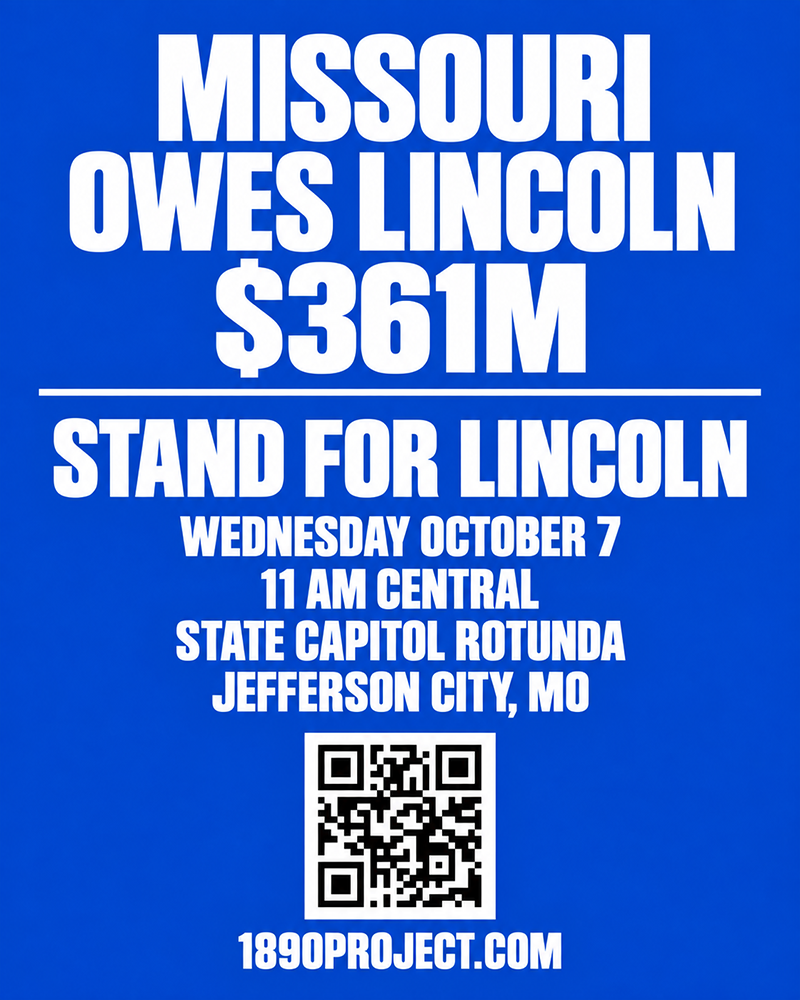
Learn more. Visit: https://www.1890project.com/
#HBCU #1890LandGrants #HigherEducationFunding