
Overview: Detroit community health and safety relies on structural policy shifts, neighborhood transit access, and direct conflict mediation. New guaranteed income pilots support Black maternal outcomes, DDOT rolls out hundreds of protective bus shelters, and grassroots organizers mediate street confrontations in Warrendale. These actions collectively stabilize local working-class households across Wayne County.
From Warrendale street clashes to maternal cash stipends and upgraded transit shelters, ground-level strategies test how cities heal and protect vulnerable neighborhoods.
Metro Detroit and Michigan top news: Detroit Community Health and Safety: New Transit and Cash Relief
Detroit Community Health and Safety: Mobility, Aid, and Mediation
Detroit community health and safety depends directly on neighborhood investment and civil stability. When expectant mothers lack financial stability, transit users brave freezing winds, and traffic collisions escalate into racial hostility, whole neighborhoods feel the shockwaves. Community leaders across Wayne County are stepping into this breach with practical, immediate interventions.
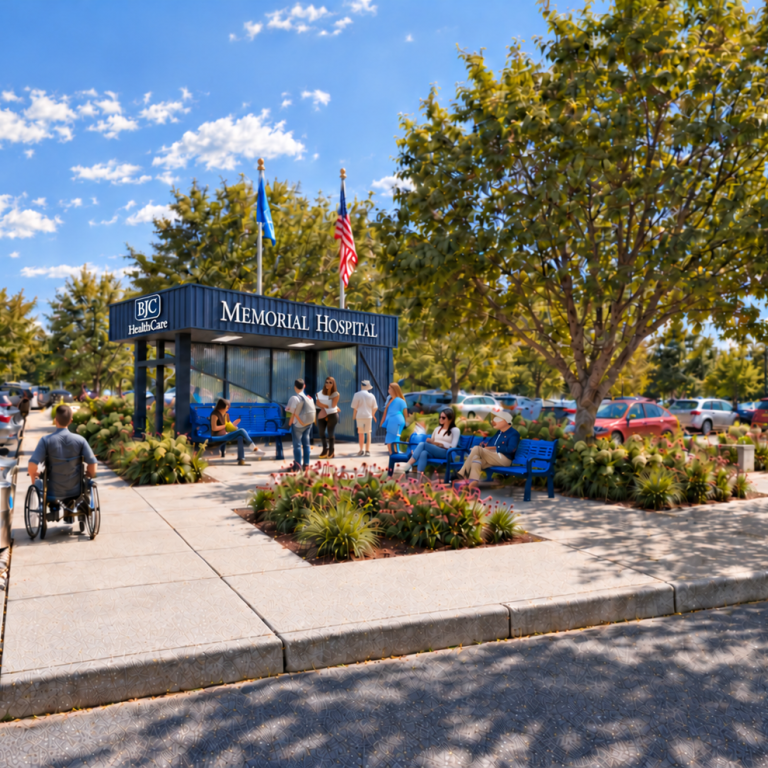
[Suggested Image: An expectant mother waiting under a modern, well-lit Detroit Department of Transportation transit shelter]
Alt-Text: A mother seated at a newly upgraded DDOT transit stop showcasing modern amenities for Detroit community health and safety.
Direct Cash Interventions for Maternal Wellness
Material security remains the single greatest predictor of healthy infant birth weights. Public health departments and nonprofit coalitions across Michigan are funding targeted guaranteed income pilots for expectant Black mothers. By providing regular cash stipends without restrictive spending rules, organizers give families the breathing room required to afford reliable housing, nutritious food, and clinical prenatal appointments.
Transit Infrastructure and Public Safety Upgrades
Mobility shapes everyday economic mobility for working residents. The Detroit Department of Transportation is currently deploying over 200 weather-protected shelters and 200 benches at high-ridership stops across the city through 2027. Because only roughly 5% of stops previously featured basic seating, these installations directly lower physical strain for elder riders and daily commuters. For official service maps and construction schedules, check the updates provided by Mass Transit Magazine.
Ground-Level Mediation After Traffic Crises
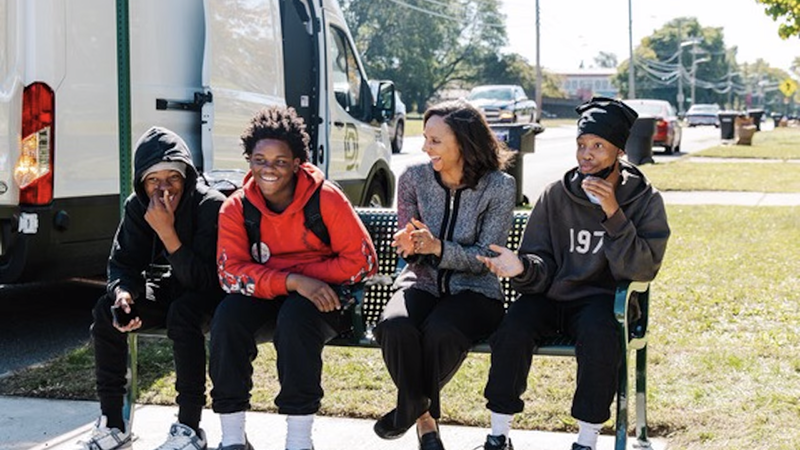
Neighborhood tensions require rapid community mediation alongside legal accountability. Following a recent car collision along the Southfield Freeway service drive in Warrendale, civil rights attorneys demanded hate crime investigations for racial threats directed at a Black driver. Concurrently, grassroots organizers from Black and Arab American organizations launched joint community dialogues to resolve neighborhood grievances and prevent broader intercommunal conflict.
Local community well-being strengthens when cash support protects young families, transit stops offer dependable shelter, and neighbors talk through tough street disputes. Sustained progress requires residents to stay engaged, hold local institutions accountable, and back grassroots mediators on the ground.
#DetroitNews #TransitEquity #MaternalHealth