
Overview: Twin Cities crisis management systems faced severe strain this week as St. Paul allocated over 1 million dollars for emergency shelter expansions, the National Weather Service issued dangerous heat alerts, and federal prosecutors charged an ICE officer with lying about a Minneapolis shooting. These simultaneous emergencies pushed municipal cooling, housing, and legal systems to their operating limits.
Relocating encampments, opening emergency cooling centers, and answering for federal gunfire in an overloaded metro
Twin Cities and Minnesota News This Week: Heat Waves, Homeless Shelters, and Federal Charges
Twin Cities Crisis Management: Heat Waves, Homeless Relocation, and Federal Accountability
Twin cities crisis management systems were pushed to capacity this week as record temperatures hit the metro, St. Paul expanded emergency homeless facilities, and federal prosecutors indicted an immigration agent.
Emergency Shelter Funding in St. Paul
The St. Paul City Council approved over 1 million dollars to expand beds across local homeless facilities following camp closures. Social workers are coordinating immediate intake for individuals displaced by municipal clearing efforts. The funding aims to transition residents into stable facilities before winter begins.
Late-Season Heat Advisory Grips the Metro
High humidity and afternoon temperatures prompted the National Weather Service to post an urban heat warning. Emergency responders distributed bottled water to vulnerable neighborhoods and opened air-conditioned public lobbies. The timing overlaps with major public events, stretching basic cooling resources thin.
Federal Perjury Charges for ICE Officer
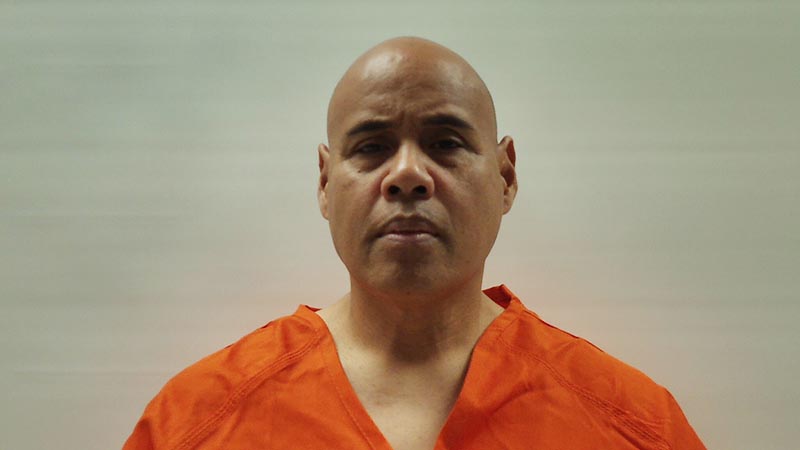
A federal grand jury indicted an Immigration and Customs Enforcement officer for giving false statements regarding a Minneapolis shooting. The incident involved the January wounding of a Venezuelan national during a targeted enforcement sweep. The accused officer surrendered to federal marshals on Wednesday.
Demands on twin cities crisis management show no sign of easing as civic departments navigate public accountability alongside severe weather emergencies.
Conclusion
Navigating simultaneous climate emergencies, housing displacement, and federal law enforcement scrutiny tests the core capacity of Twin Cities administrative infrastructure. Funding shelter beds and opening air-conditioned facilities provide short-term relief, but sustained resilience depends on long-term investments in transitional housing and accountable policing. By confronting federal integrity issues directly and safeguarding vulnerable residents during dangerous heat, municipal leaders can build an equitable and reliable civic response framework.
#TwinCities #StPaulMN #MNWeather