
Overview: The emerging wave of lawsuits against McDonald’s targets the McRib’s signature design, claiming the fast-food giant deceives diners by using restructured pork trimmings stamped to mimic bone-in ribs covered in heavy barbecue sauce. Litigators argue the branding and seasonal scarcity bypass normal buyer skepticism, while consumer behavior shows the exact opposite effect: every headline questioning the sandwich’s authenticity sparks viral debate and drives record-breaking lines at drive-thrus nationwide. Ultimately, the McRib’s real power lies in artificial scarcity and comfort nostalgia, proving that pop-culture crave-ability routinely beats courtroom litigation.
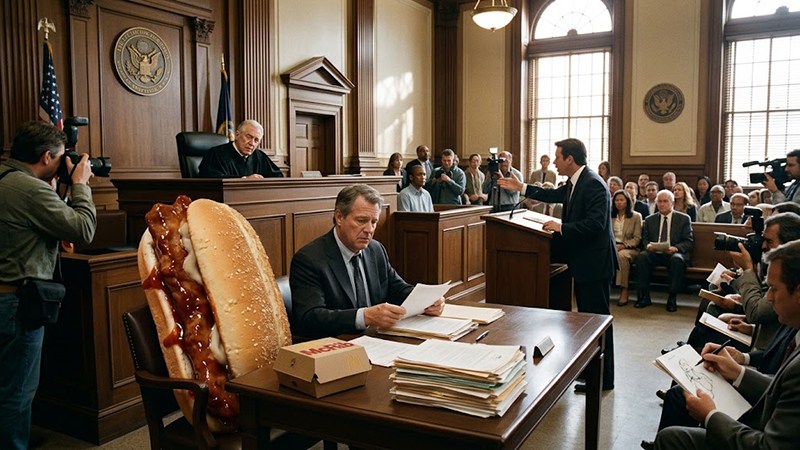
Courtroom Battles Over Fake Rib Bones Collide With Drive-Thru Cult Loyalty As Consumer Lawsuits Challenge The Psychology Of Fast Food Nostalgia
The Mystery Meat Showdown
Every few years, the Golden Arches pulls off the most audacious magic trick in modern corporate history. They roll out a pressed pork patty slathered in tangy barbecue sauce, slap some pickles and slivered onions on a cornmeal bun, and pretend it just came off an outdoor smoker in Memphis.
Then come the lawyers.
A fresh wave of consumers and consumer advocacy attorneys are taking McDonald’s to court, arguing that the McRib is fundamentally deceptive. The legal argument sounds almost too wild to be true. Plaintiffs argue that normal people walk into a drive-thru expecting genuine, bone-in barbecue ribs and walk away with an industrial pork composite stamped into a grill shape.
If you are buying barbecue ribs from a drive-thru window for four dollars and expecting a pitmaster with hickory wood chips, that might be a personal judgment problem rather than a federal legal issue. Yet here we are, watching courtroom dockets fill up with serious discussions about barbecue sauce viscosity, restructured animal protein, and emotional distress over missing bones.
What Are We Actually Eating?
Let us be completely real about what is sitting inside that cardboard clamshell.
The McRib contains zero actual rib meat. McDonald’s makes no secret of this if you read the ingredients. It is composed primarily of pork shoulder and pork trimmings, finely ground, seasoned, formed in a mold, and flash-frozen. The little bone ridges on top are pure culinary theater. They exist solely because human brains love patterns and marketing teams love visual cues.
Looking at the ingredient sheet reads like a chemistry midterm:
- • Restructured pork shoulder and heart
- • Water, salt, and dextrose
- • Preservatives to keep it shelf-stable across state lines
- • Barbecue sauce loaded with high fructose corn syrup
It is not farm-to-table cuisine. It is edible industrial design. Yet the moment cold weather hits and the announcement drops, people clear their schedules to hunt down local stores that still have inventory.
Why The McRib Legal Trend Is Exploding
Fast food litigation is growing into a lucrative cottage industry. We saw it with claims over the exact beef percentage in Taco Bell fillings. We saw it with Subway bread recipes and tuna DNA testing. The McRib is simply the next obvious target because the gap between the product name and the product reality is wide enough to drive a delivery truck through.
Litigators argue three core points:
- 1. The name implies a cut of meat that does not exist in the sandwich.
- 2. The stamped rib shape creates false expectations for everyday buyers.
- 3. Limited availability creates artificial urgency that bypasses normal consumer skepticism.
From a brand growth perspective, these lawsuits do not hurt McDonald’s at all. In fact, they act as free advertising. Every time a headline pops up questioning whether the McRib is real meat, search volume spikes, social media debates catch fire, and thousands of curious eaters run out to try one just to see what the chaos is about.
Should Anyone Actually Eat This Sandwich?
From a purely nutritional standpoint, nobody should view the McRib as health food. One sandwich packs over twenty grams of fat, nearly nine hundred milligrams of sodium, and plenty of refined sugars hidden directly in the sauce. If you eat three of these a week, your doctor is going to have some very pointed questions during your next routine checkup.
However, food culture is rarely about pure nutrition. Food is about comfort, memory, and cheap indulgence.
The McRib survives because it delivers a specific taste profile that no artisan barbecue joint can replicate. It is soft, salty, sweet, and familiar. When you bite into it, you know exactly what you are getting, regardless of what a legal complaint claims in a federal court filing.
The Real Business Lesson Behind The Craze
The genius of the McRib is not in the recipe. The real genius lies in the artificial scarcity model.
By pulling the sandwich off menus for long stretches, McDonald’s turns an ordinary pork sandwich into an annual cultural event. They manufacture FOMO at a national scale. When you tell customers they cannot have something, demand explodes. When you bring it back for a few weeks, people do not stop to examine the bone structure or read lawsuit briefs. They just hand over their money.
As long as the barbecue sauce stays sweet and the marketing machine keeps spinning, the lawsuits will continue to look like background noise. The lawyers can argue about the bones, but the public has already voted with their wallets.
#McRib #FastFoodNews #ConsumerRights