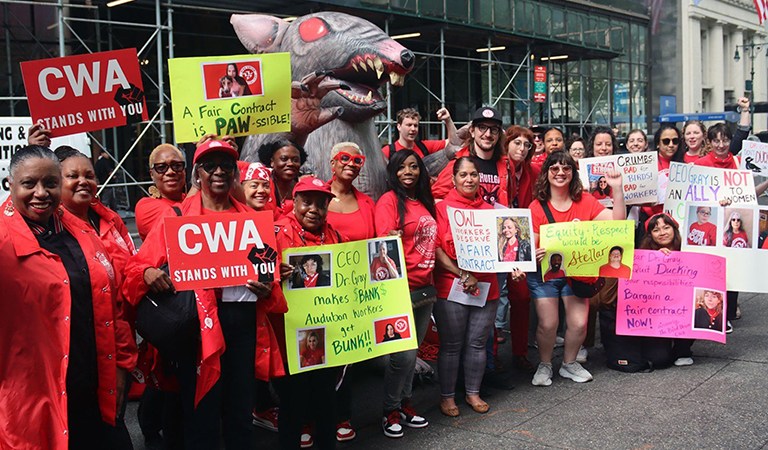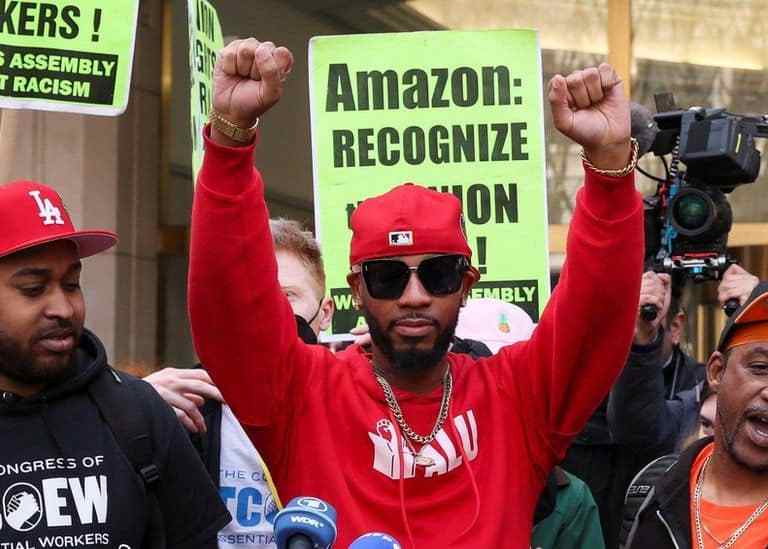


Overview: What is the New York City Mayor’s Office of Worker Power?
The Mayor’s Office of Worker Power, or MOWP, is the first municipal agency in the United States dedicated to helping workers organize, understand their rights, and shape city labor policy. Led by Executive Director Tony Perlstein under Deputy Mayor Julie Su, the office coordinates community outreach, investigates wage theft and worker misclassification, and safeguards workers against climate and automation risks.
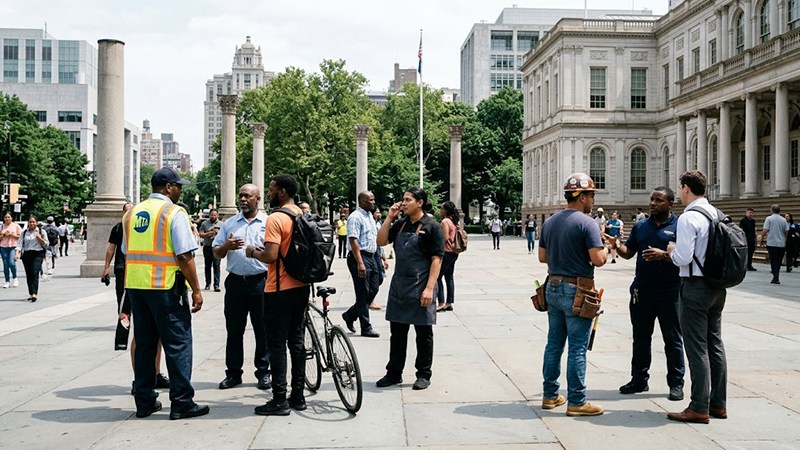
How City Hall is turning Labor Day ideals into permanent municipal action to protect wages, organize workforces, and combat workplace exploitation.
New York City Launches First-in-the-Nation Office of Worker Power
As Americans observed Labor Day, New York City marked the holiday with an initiative designed to strengthen the voice of working people. Mayor Zohran Kwame Mamdani signed an executive order establishing the Mayor’s Office of Worker Power, known as MOWP. It stands as the first municipal office of its kind in the United States.
The new office uses the resources and convening power of City Hall to help workers stay informed, connected, and organized. Its creation honors the core purpose of Labor Day: celebrating the people whose labor sustains our neighborhoods while protecting generations of progress for fair pay, safe job conditions, and a real say on the job.
Labor Day often turns into a simple weekend of travel, cookouts, and shopping. However, its true value comes from the history of the American labor movement and the daily contributions working people make to national prosperity.
Today’s workforce faces persistent hurdles. These include low wages, minimal benefits, wage theft, unsafe conditions, job insecurity, and sudden technological shifts. Gig workers, immigrant laborers, outdoor crews, and misclassified contractors encounter severe obstacles when claiming their rights. With families facing rising living costs and stagnant wages, the launch of MOWP brings practical purpose back to Labor Day.
“Every day, working New Yorkers show up, do their jobs, and keep this city running,” Mamdani stated during the announcement. He explained that the office gives workers an active voice before exploitation turns into an emergency and workplace abuses become normal.
How the Office of Worker Power Protects Working People
MOWP functions under the direction of Deputy Mayor for Economic Justice Julie Su. The team collaborates with city agencies, labor unions, worker centers, and community allies. The office focuses on education, field research, policy creation, and strategic partnerships, with a strong focus on underpaid and vulnerable workers.
Core duties for the office include:
- Convening frontline staff, labor leaders, immigrant groups, gig staff, and platform app workers.
- Hosting public hearings on urgent workplace issues across the five boroughs.
- Providing direct referrals to proven worker-advocacy organizations.
- Publishing independent research on emerging workplace challenges.
- Identifying systemic corporate abuses before they expand across industries.
Public awareness remains a central goal. MOWP delivers essential legal information through neighborhood locations, including public libraries, career centers, public schools, IDNYC sites, and local festivals. Workplace rights only protect people when workers know their options and know where to get help.
The agency also addresses modern industry hazards. These include automated management tools, misclassification schemes, immigration exploitation, and climate hazards. Extreme heat presents a severe threat for construction crews, bike couriers, and outdoor laborers who spend long hours on city streets.
Veteran Labor Leadership and Administration Track Record
Tony Perlstein serves as the inaugural executive director of MOWP. A former longshore worker, Perlstein previously led organizing initiatives for the United Auto Workers and served as the union’s national co-director of education. His career includes union campaigns with restaurant staff, warehouse teams, lumberyard crews, and manufacturing employees. He also led efforts to safeguard worker standards as new automation entered busy commercial ports.
This agency expands previous labor actions across the city. Official reports indicate that city efforts against deceptive tipping rules helped return an estimated $104 million in tips to roughly 70,000 app delivery workers since January. The administration also opened a dedicated Deliveristas Hub by City Hall Park, launched joint enforcement operations against wage theft, and created heat protections for outdoor staff.
A Working Blueprint for Cities Across the Nation
While MOWP operates locally, its framework provides a clear blueprint for cities across America. Local leaders remain close to community employers and staff, yet most local governments lack an agency dedicated to bringing worker voices directly into policy decisions.
Cities across the country can tailor this structure to their local economies, whether their base relies on manufacturing, farming, hotels, transport, healthcare, or technology. A local worker-power agency coordinates legal education, tracks workplace trends, links residents with reliable groups, and brings employees directly to the policy table.
This initiative proves that honoring labor requires continuous action throughout the year. Labor Day recognizes past victories won through collective action, but it also demands that public officials defend those standards against modern workplace exploitation.
New York City transforms the spirit of Labor Day into a permanent civic commitment. The office demonstrates how local government, organized labor, and everyday workers can build dignity, fairness, and economic stability together.
#WorkerPower #LaborRights #NYCNews #EconomicJustice #WorkplaceProtection #Organize