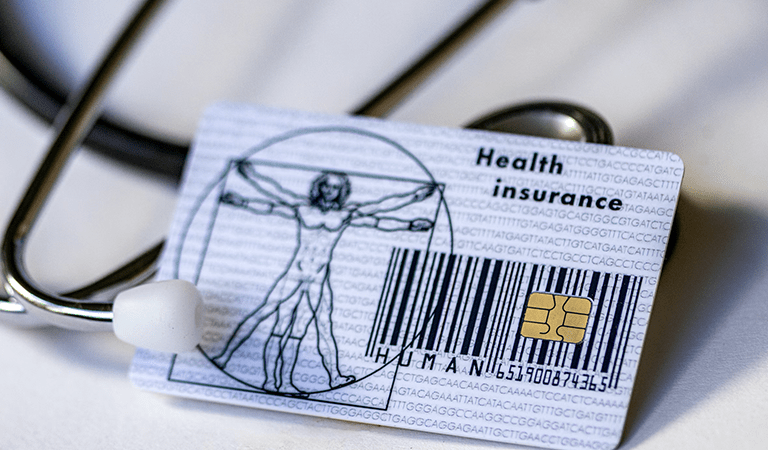

Overview: Choosing between a Health Savings Account (HSA) and a Flexible Spending Account (FSA) during open enrollment comes down to your health plan type, spending habits, and long-term financial goals. HSAs require enrollment in a high-deductible health plan but offer a powerful triple-tax advantage with funds that roll over indefinitely and can be invested for retirement. In contrast, FSAs pair with standard employer plans and provide immediate access to your full annual contribution on day one, though they carry strict annual use-it-or-lose-it limits. Evaluating expected medical expenses, prescription needs, and contribution caps before your deadline ensures you lock in significant tax savings without forfeiting hard-earned money.

Photo: burdun via 123RF
Breaking down the critical tax advantages, rollover rules, and coverage differences between Health Savings Accounts and Flexible Spending Accounts before benefits season closes.
Open enrollment is right around the corner, which means it’s time to start reviewing your options for the insurance and financial products you’ll need in the coming year.
The open enrollment period for the coming calendar year typically starts in October or November and lasts for two to four weeks, depending on your employer. If you buy your insurance through the Affordable Care Act, enrollment starts on Nov. 1 and ends Dec. 15.
Most employers offer financial products beyond medical, dental, and vision insurance. It can be confusing to decide whether you need a Health Spending Account or a Flexible Spending Account, or whether to sign up for supplemental health insurance, disability insurance, or life insurance.
This guide will walk you through the typical types of financial products that employers offer during open enrollment so you can make the most informed choices for yourself and your family.
HSAs and FSAs
Health Spending Accounts and Flexible Spending Accounts allow you to set aside a portion of your paycheck, pre-tax, to pay for healthcare costs.
Withdrawals used to pay medical expenses are tax-free and can cover a wide range of purchases, from Band-Aids to prescription drugs to medical devices to major surgeries. Employers often offer one type of account or both, though you will likely have to choose between opening an HSA or an FSA.
If you’re interested in either account, you must decide during open enrollment how much you’ll contribute to the account for the next year. Some employers place a limit on your contributions.
HSAs allow you to carry over money in the account from one year to the next. You can also invest some of the funds in your HSA account, allowing you to build a nest egg to pay for major medical expenses. You can only have an HSA if you have an HSA-eligible medical plan, which generally covers only preventive services before the deductible.
FSAs, meanwhile, are generally “use it or lose it,” meaning any money in your account at the end of the calendar year will not carry over. That feature makes it especially important to choose carefully at open enrollment how much to contribute over the next year. Some employers might give you an extra 2 ½ months to spend the money or let you carry over up to $640 to the next year, but not both. You should check your employer’s FSA terms before making your decision.
Dependent Care FSA
A dependent care flexible spending account allows you to contribute a portion of your paycheck, pre-tax, to pay for care for your child, disabled spouse, elderly parents, or other dependents.
Often, dependent care FSA is used to pay for daycare, preschool, summer camps, and custodial elder care. In 2026, you could contribute up to $7,500 per household to an account.

Photo: lightfieldstudios via 123RF
Supplemental Health Insurance
Supplemental health insurance helps pay for medical care that your medical insurance may not cover. Some plans pay a set amount for certain treatments, while others cover a percentage of your costs.
Employers often offer supplemental insurance plans during open enrollment. Types of supplemental health insurance may include:
- Accident insurance – Provides coverage for injuries from an accident
- Hospital indemnity insurance – Helps cover the cost of hospitalization
- Critical illness insurance – Provides coverage for treatment of a diagnosed critical illness
- Cancer insurance – Provides payouts to cover the cost of cancer care
Disability Insurance
Disability insurance helps replace your income if you can’t work due to illness, injury, or a medical condition, including pregnancy. Payouts can cover living expenses including housing, food, and bills. This insurance generally pays a percentage of your salary and kicks in after sick pay, vacation pay, and other paid leave run out.
Employers often offer short-term and long-term disability insurance, and you can decide to opt in or out at open enrollment time. There are two main types:
- Short-term disability may cover up to 100% of your income and typically lasts for three to six months.
- Long-term disability typically covers 50% to 70% of your income and can last up to 10 years or until retirement, depending on your policy.
Life Insurance
Life insurance ensures that your beneficiaries receive a specified amount of money after your passing. You’ll contribute a portion of your paycheck toward the insurance; the larger the policy, the higher your payments. Life insurance can help cover lost wages, funeral costs, and basic living expenses.
When this year’s open enrollment hits, there’s no need to feel overwhelmed. Learning about these insurance options ahead of time will help you make the right choices for you and your household.Copyright © 2026 Distributed Media Lab
#OpenEnrollment #PersonalFinance #HealthcareSavings