
Overview: Under a historic settlement worth up to $18 billion, Meta will overhaul youth safety protections across Instagram and Facebook to resolve dozens of state lawsuits. The deal imposes default two-hour daily caps for minors, bans cosmetic filters, silences notifications during school and overnight hours, and installs independent auditing to enforce compliance.
Massive state settlement mandates teen screen limits, notification blackouts, and independent auditing across Instagram and Facebook.
Meta Child Safety Settlement: $18B Youth Tech Overhaul
The Meta child safety settlement is an unprecedented legal agreement of up to $18 billion resolving dozens of state lawsuits over youth mental health harms on Instagram and Facebook. Alongside payouts distributed across a decade, the deal forces direct product redesigns, mandatory screen limits for minors, and independent oversight that will fundamentally shift social media engagement models.
The Terms Behind the Historic Agreement
State attorneys general accused Meta of intentionally designing features that hooked young minds and created toxic behavioral loops. Instead of risking a public courtroom battle, the company agreed to sweeping structural changes and heavy financial commitments.
- A Guaranteed Financial Penalty: Meta will pay between $12 billion and $17.1 billion guaranteed, with the total package reaching $18 billion based on broader industry milestones over 10 years.
- Independent Enforcement Oversight: A third-party auditor will monitor code releases and operational compliance, reporting findings straight to state enforcement officials.
- Cross-Industry Payout Triggers: Roughly 30% of the financial penalty is tied to competitor actions, incentivizing rivals to match strict platform safeguards.
For deeper analysis on how digital platform liability reshapes modern media business models, explore our coverage on social platform accountability and regulatory trends.
How the Meta Child Safety Settlement Impacts Teen Users
The core of this agreement forces Instagram and Facebook to build guardrails directly into their user interface. For millions of teenagers, the default platform experience will look completely different.
Healthier Feed Designs and Screen Constraints
Product teams can no longer prioritize raw time-in-app for minors. The platform defaults now restrict destructive mechanics:
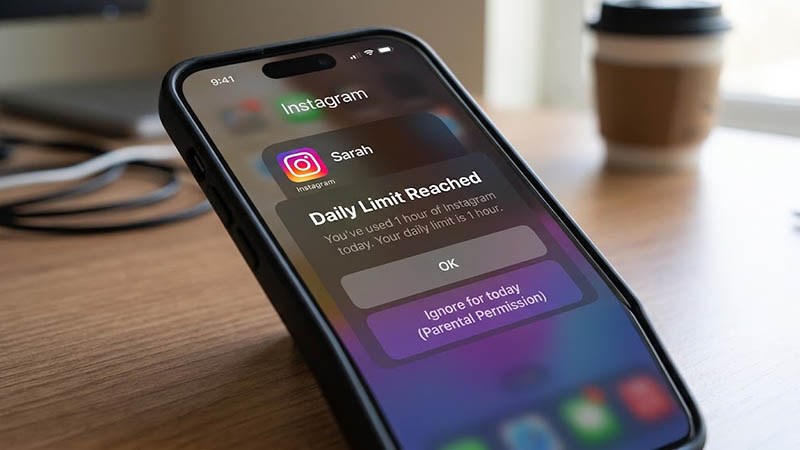
- Two-Hour Daily Cap: Accounts belonging to users under 18 face a default two-hour limit across apps unless a parent explicitly lifts it.
- School and Nighttime Lockouts: Notifications go dark during school hours from 8:00 a.m. to 3:00 p.m. and overnight from 10:00 p.m. to 7:00 a.m., with full app lockouts between midnight and 6:00 a.m.
- Safer UI Elements: Public like counts are hidden for teens, cosmetic plastic-surgery filters are banned, and chronological feeds are available to bypass recommendation algorithms.
New Friction and Enforcement Loopholes
Safety measures always introduce friction. While these updates protect vulnerable users, they also create real-world implementation challenges:
- Verification Hassles: Stricter age gates risk false flags that temporarily lock out legitimate adult profiles and frustrate privacy-conscious communities.
- Evasion Tactics: Tech-savvy minors will continue to bypass rules by falsifying birth dates, running burner profiles, or shifting attention to unmonitored apps.
- Unaddressed Content Issues: The settlement targets addictive UI loops rather than targeted advertising or harmful organic posts that continue to circulate.
To learn more about the formal legal complaints and state enforcement standards, review the official litigation filings tracked by the National Association of Attorneys General.
What the Agreement Means for TikTok, Snap, and YouTube
Meta’s concessions establish an aggressive baseline that leaves every competitor vulnerable. By codifying strict youth protections into a legal settlement, regulators now have a blueprint to target rival business models.
Expanding Legal and Financial Exposure
Rival platforms like TikTok, Snap, and YouTube face active lawsuits from school districts and state officials. Because Meta set the pricing floor at $18 billion, plaintiffs now hold immense leverage to demand identical operational concessions and record-setting monetary damages from competitors.
Engagement Drops and Compliance Overhead
Restricting teen access during school hours and late nights cuts deep into ad inventory. Platforms rely on continuous youth engagement to fuel creator ecosystems and programmatic ad revenue.
Every major platform must now invest millions into third-party auditing infrastructure, custom moderation pipelines, and rigorous age verification. The era of frictionless growth at the expense of teen well-being has officially ended.
#MetaSettlement #ChildSafetyOnline #TechRegulation