
A Journey into Clinical Laboratory Technology
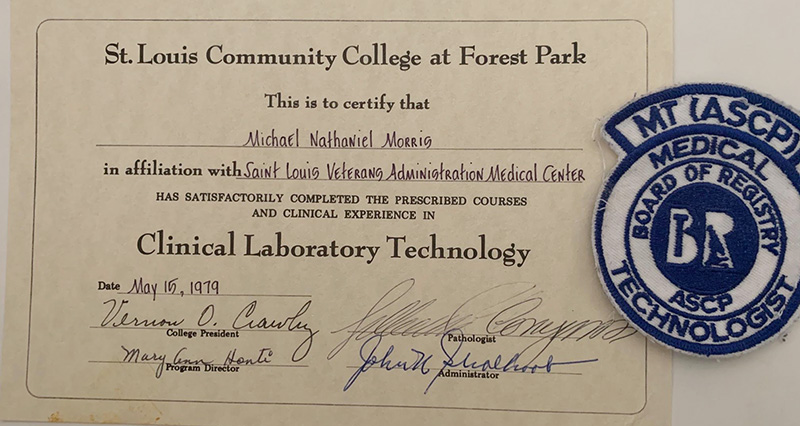
If you are considering a stable and rewarding healthcare path, making a career in clinical laboratory technology offers a unique blend of scientific inquiry and job security. Dr. Lawrence Jones II recently interviewed Michael Nathanial Morris, MT (ASCP), a distinguished Webster University and Forest Park Community College alumnus, to discuss the evolution of the field. As a retired medical technologist, Mr. Morris reflects on a profession that consistently sought him out, proving that the demand for skilled laboratory professionals remains evergreen.
From Animal Porter to Medical Laboratory Scientist
The spark for Mr. Morris’s interest in the medical laboratory science profession began long before he entered a college classroom.
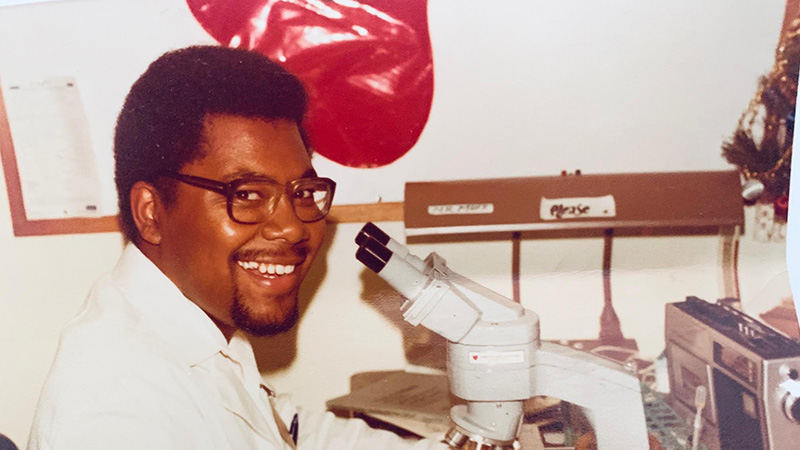
“Years before my interest in a clinical laboratory, about the ninth grade, my mother (Bessie Morris) started to talk to her coworkers that happened to run an animal laboratory facility,” Morris recalls.
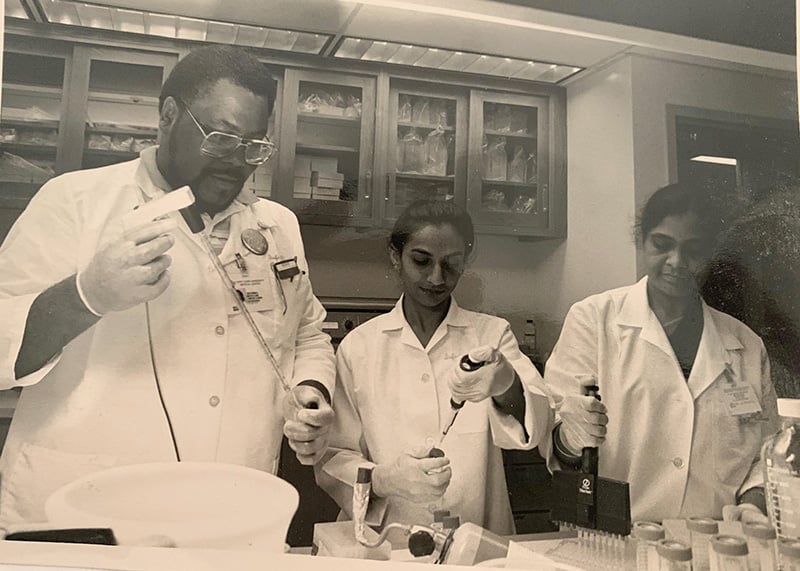
Starting as a volunteer animal porter, he spent his lunch breaks observing scientists in white coats conducting experiments. This early exposure to the “art” of the lab set him on a trajectory toward Forest Park’s rigorous program, where he managed a heavy load of 70 credit hours before transferring to Webster University to complete his degree and earn his MT (ASCP) certification.
Why Choose a Career in Clinical Laboratory Science?
For those looking to enter the workforce in St. Louis and beyond, the clinical lab career path offers several distinct advantages:
High Demand and Recruitment
Mr. Morris emphasizes that he was frequently recruited for new roles even while currently employed. Today, he continues to receive inquiries from recruiters and prospective students alike, highlighting the persistent shortage of qualified personnel.
Educational Accessibility
The Clinical Laboratory Technology program at Forest Park serves as an excellent entry point. Morris encourages young people, particularly “young Black and Brown people in Saint Louis, MO,” to explore this field. It provides a “decent living” with pay that scales directly with education and experience.
Specialization Opportunities
A major highlight of Morris’s career was his tenure at the Children’s Hospital microbiology laboratory. Specialized environments allow technologists to apply their skills to critical patient care, ensuring accurate diagnoses for the most vulnerable populations.
The Future of Lab Medicine: AI and the Human Element
While the industry continues to integrate new technology, Mr. Morris remains adamant that the human element is irreplaceable.
“You are still going to need someone to maintain and troubleshoot the available technology,” he insists. “That’s not going to change, no matter what type of new artificial intelligence technology comes along.”
He warns against treating laboratory medicine like an “assembly line” in an automobile facility. To Morris, the work is an art form—a meticulous process that requires qualified human intervention to ensure accuracy and integrity.
Start Your Path in Laboratory Medicine
The narrative of Michael Nathanial Morris serves as a blueprint for success in the healthcare sector. Whether you are a high school student or looking for a career change, the path to becoming a Certified Medical Technologist is one of lifelong stability and contribution to public health.
The Narrative Matters!
References & Resources
- ASCP Board of Certification: Visit ascp.org
- St. Louis Community College: Clinical Laboratory Technology AAS Program
- Academic Insight: Clinical Educators’ Teaching Approaches and Attributes in Laboratory Medicine, Laboratory Medicine, 2023. Read the Study
Related Content
To learn more about local success stories and educational triumphs, visit our Community Leaders section at TheNarrativeMatters.com.
Check the U.S. Bureau of Labor Statistics for current salary data and job outlooks for clinical lab technologists.
#MedicalLaboratory #CareerInLabTech #HealthcareHeroes