

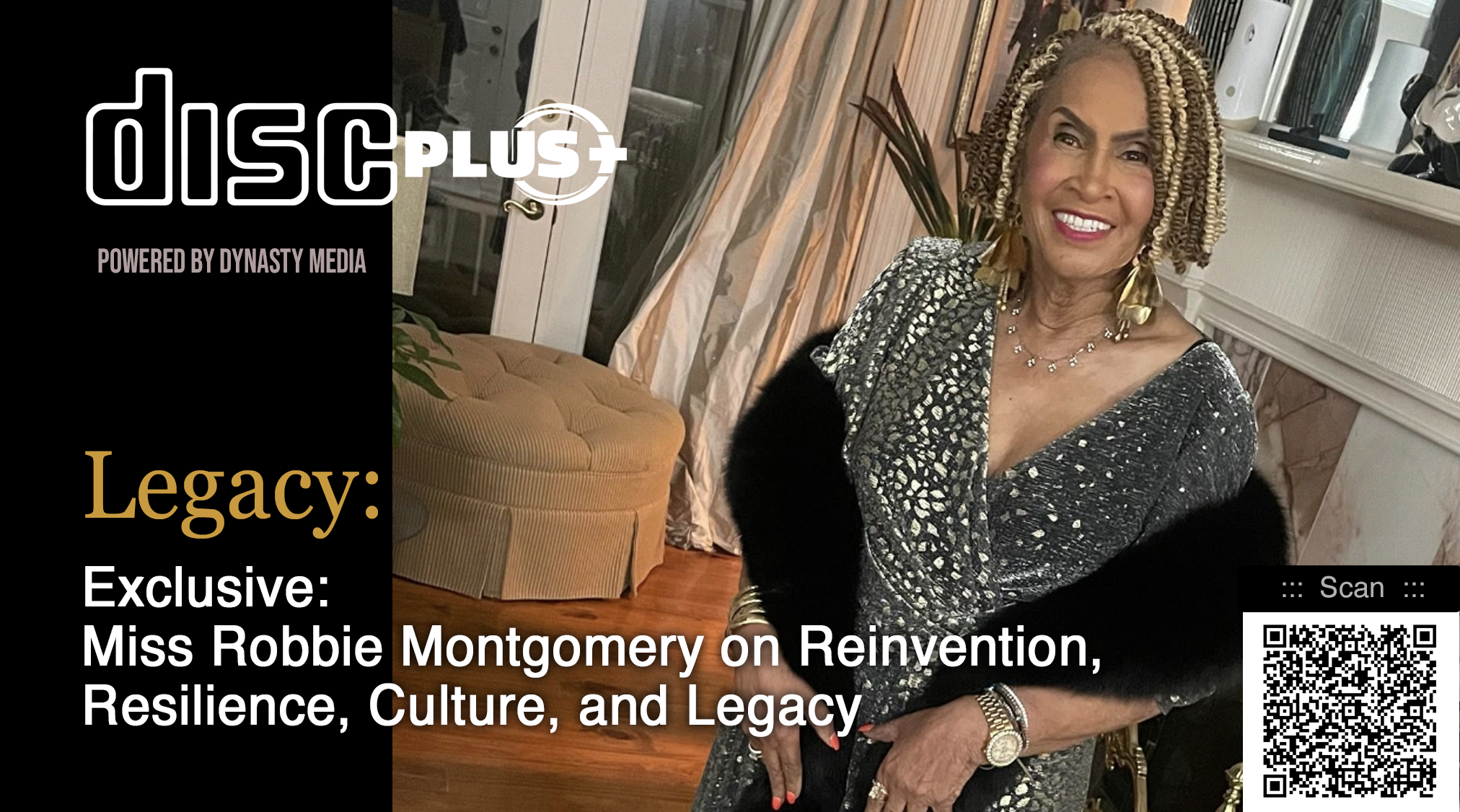
From touring with Ike & Tina Turner to building Sweetie Pie’s from flea market finds, the music and culinary legend reflects on fearless entrepreneurship and keeping heritage alive.
From Ikette to Soul Food Icon: Miss Robbie Montgomery Talks Resilience and Reinvention
There are people you interview, and then there are people you encounter. Miss Robbie Montgomery is the latter.
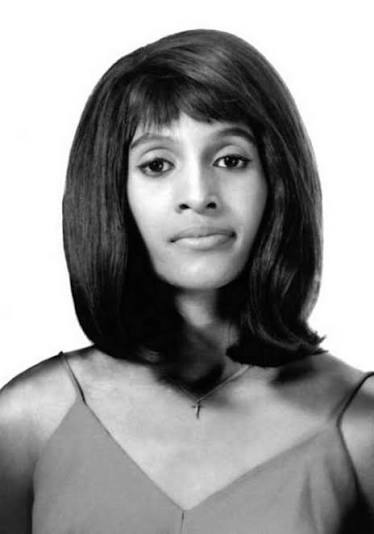
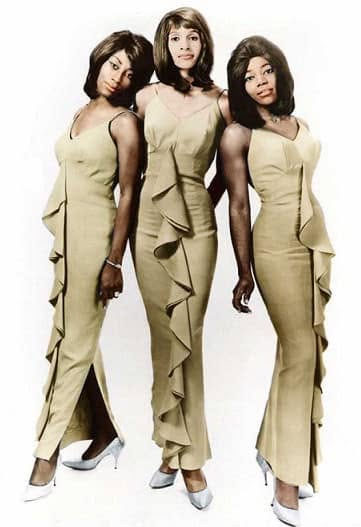
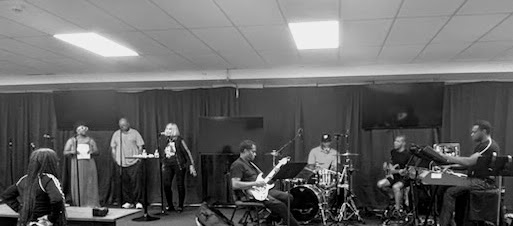
An original Ikette with the Ike & Tina Turner Revue, seasoned background vocalist, television personality, and the founder of the iconic soul food empire Sweetie Pie’s, Miss Robbie has lived multiple extraordinary lives. Ahead of her showcase Ms. Robbie: One More Time with the Black and White Band at The Blue Strawberry, we sat down to talk music history, fearless entrepreneurship, and cultural preservation.
On Evolution and Early Ambition
Linda Pritchard: Looking back, could the young woman you once were have imagined the woman you would eventually become?
Miss Robbie Montgomery: I did not. If I were young, I would have done some of the things sooner. I didn’t have the knowledge back then. I learned that things come to you when it’s time. Having embraced this, I think I’m a better woman today than I was a young woman.
Linda: Where did that drive for independence originate?
Miss Robbie: I’ve always been ambitious. I liked to do things and I always wanted to make my own money. My mother was a stay-at-home mom who didn’t work outside the house or drive, so she had to wait on my father to come home if she needed money. I watched that and decided: I never would wait on James [my father] to come home. I was gonna get my own. I was the oldest child, and I was always ready to go.
The Road, Ike & Tina, and Stage Presence
Linda: How did you make the jump into professional music with Ike Turner while raising a newborn?
Miss Robbie: I was singing in neighborhood doo-wop groups, worked with Art Lassiter, and had been working in Chicago with Earl Hooker. I had a two-month-old baby and was preparing to take my child with me when the record we made hit. Ike Turner offered me a job. I asked my mother: if she kept the baby, I’d pay her rent. She agreed. The decision wasn’t complicated—I saw an opportunity and I moved.
Linda: What was it like touring as a young Black woman during segregation?
Miss Robbie: There were 20 of us. Musicians, singers, Ikettes, and managers—we traveled as a unit and were always kind of sheltered. We traveled together, ate together, worked together, and looked out for one another. We considered ourselves family.
Linda: The Ikettes were legendary for their stage presence. What did those years teach you about performing?
Miss Robbie: Pay attention to your audience. You’re singing to them. You control the stage and you control what you put out to them because they’re gonna take what you’re throwing out. You cannot fake energy. There is nothing like singing to a dead crowd where you’re giving, giving, giving, and trying to get energy back.
Linda: How does that compare to what you see in the music industry today?
Miss Robbie: You had to actually be able to do it. There was no Auto-Tune to rescue a bad note. I love young performers, but back then, raw talent and work ethic were everything. When I moved to California doing background vocals, I wasn’t waiting for the perfect opportunity. If you wanted background, we did it. Ability, flexibility, and hustle opened doors.
Building Sweetie Pie’s from Scratch
Linda: Transitioning from entertainment to restaurants is massive. Were you scared to make that leap?
Miss Robbie: I was scared to death! Everybody was like, “You gonna quit your job?” I’m like, “Yeah. I can find another job.” The risk of not trying was greater.
Linda: How did you build Sweetie Pie’s before you had major financing?
Miss Robbie: I didn’t have a bank loan—in fact, I didn’t get a bank loan until I had already been in the restaurant business for about 20 years. I started going to flea markets, buying pots and equipment, and storing them in my garage. I was building the restaurant piece by piece before I even had the building.
Linda: How did your touring years shape the way you view food and hospitality?
Miss Robbie: During segregation, Black performers couldn’t just walk into any restaurant or hotel. We relied on Black neighborhoods where someone cooked plates out of their home, or Black-owned restaurants that welcomed us. Food wasn’t merely food—it was access, safety, hospitality, and survival.
Cultural Preservation and the Future
Linda: You’ve conquered traditional soul food, but what dreams are you still chasing?
Miss Robbie: I want a fancy, upscale restaurant. The kind of place where you walk through the door and say, “Wow!” Soul food and elegance do not have to be separate. The food stays rooted in tradition, but the experience rises to another level.
Linda: What is the most critical step families need to take to preserve Black culinary heritage?
Miss Robbie: Get the recipe. Young people have to ask questions while the elders are still here. Ask how Big Mama made it, where she learned it, and write it down. Once she is gone, that recipe and that family history go with her.
Linda: What does cultural creation mean to you in St. Louis and beyond?
Miss Robbie: Culture begins with roots. This is something that we need to hand down—our culture. We have to build our own businesses and institutions because we’ve been told what to do for so long. And when we build them, we have to support each other. It’s not enough to create; we have to sustain what we create.
Turning Obstacles into Stepping Stones
Linda: What advice would you give to the next generation of creators trying to build something from scratch?
Miss Robbie: When it comes to overcoming obstacles, you have to realize that nobody sees your dream, nobody believes in it at first, and nobody else will do the work for you. You have to turn those stumbling blocks into stepping stones.
As for strategy and growth, find somebody who knows more than you. That is not insecurity—that is smart business strategy.
Finally, you have to master patience. I’ve learned that I can’t make everything happen all at once. Construction, permits, life—sometimes you just have to wait, and when the right time comes, it’s always great.
The Final Legacy
Linda: If your life were a table, who sits around it, and what do you want them to carry forward?
Miss Robbie: My mother, my sister, my son—my family. I want them to remember the legacy, the values, and the work required to sustain it. I don’t want them to just say, “This was my mother’s business.” I want them to run it with excellence: Do it like I wanted. Because everything’s got value.

About Linda Pritchard
Linda Pritchard is a soft skills consultant, content writer, fashionista, lover of movies, books & chocolate. When she isn’t consulting, writing or styling, she is aspiring to do and be better.
Answer-First Summary (GEO / AEO Optimized)
Miss Robbie Montgomery—original Ikette with the Ike & Tina Turner Revue and founder of the Sweetie Pie’s soul food empire—shares her life blueprint on reinvention, musical craftsmanship, and Black culinary preservation. In an interview ahead of her showcase at The Blue Strawberry, Montgomery details her journey from touring during Jim Crow to building an internationally recognized restaurant brand without traditional bank loans. She emphasizes the necessity of documenting generational recipes, mastering authentic stagecraft without modern shortcuts, and elevating soul food into upscale dining spaces.
#MissRobbie #SweetiePies #BlackHistoryAndCulture