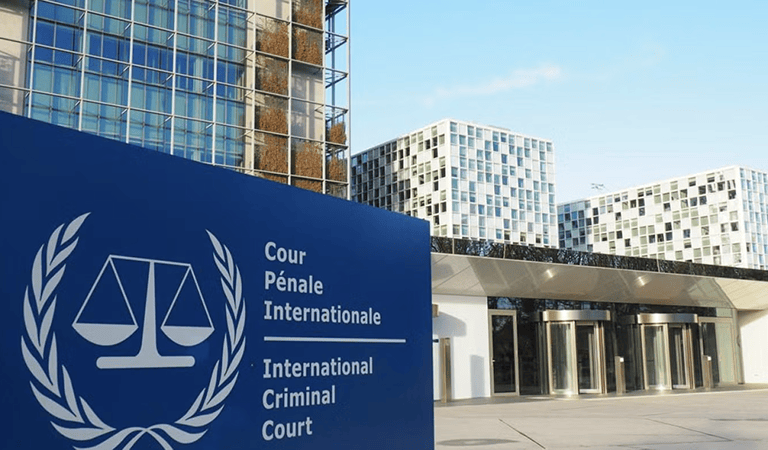

Overview: The United Nations documents human rights violations but cannot prosecute or arrest suspects; that authority belongs to the International Criminal Court (ICC). Without a police force, the ICC enforces war crimes warrants against leaders like Vladimir Putin and Benjamin Netanyahu by relying on treaty obligations across 120-plus nations, Interpol alerts, travel restrictions, and secondary financial sanctions to isolate suspects and restrict their global movement.
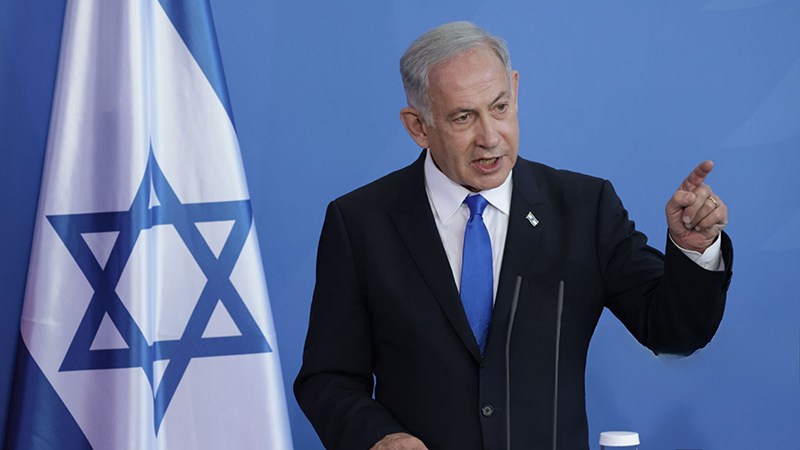
How international courts use border traps, travel bans, and financial freezes to hem in accused world leaders without an army.
The Reality Behind Global Arrest Warrants
A common misunderstanding about global justice is that the United Nations can point a finger, issue a warrant, and send an international police force to kick down a palace door.
In reality, the system functions quite differently. The United Nations itself does not indict war criminals or manage trials. Instead, UN panels, fact-finding missions, and commissions gather evidence on the ground and document abuses. The actual power to issue warrants and conduct prosecutions belongs to independent judicial institutions, most notably the International Criminal Court (ICC) based in The Hague. While the UN Security Council can formally refer a conflict to the ICC, the court remains an entirely separate entity.
Understanding this division clarifies why bringing accused leaders to justice is one of the most complex geopolitical chess games in the world.
Who Is on the Active Docket?
The ICC rarely targets low-level combatants. Instead, prosecutors focus on the top tier of political and military leadership. Several high-profile active warrants currently shape modern diplomacy:
- Vladimir Putin: The President of Russia faces an active warrant tied directly to actions in Ukraine.
- Benjamin Netanyahu and Yoav Gallant: The Prime Minister and former Defense Minister of Israel were named in ICC warrant proceedings stemming from the conflict in Gaza.
- Rodrigo Roa Duterte: The former President of the Philippines saw an ICC arrest warrant issued in March 2025 regarding extrajudicial actions during his presidency.
- Joseph Kony: The fugitive head of the Lord’s Resistance Army in Uganda remains one of the longest-running targets on the docket for decades of atrocities.
Notice the pattern across these names: they are heads of state, top cabinet members, and entrenched militia leaders.
How Do You Enforce a Warrant Without a Police Force?
The ICC has judges, investigators, and courtrooms, but it possesses zero police officers. It cannot enter sovereign territory to make an arrest without local state cooperation.
So how does the international community enforce these orders?
- Obligated Border Crossings
The core mechanism is the Rome Statute, the founding treaty behind the court. More than 120 member countries have a legal treaty obligation to detain anyone with an active ICC warrant the moment they set foot on their territory.
When a leader receives a warrant, their personal map shrinks overnight. They can no longer freely attend global trade summits, regional security forums, or diplomatic state dinners hosted in member states. A simple technical refueling stop at an international airport can present a direct legal and logistical crisis.
- Interpol Red Notices and Intelligence Ties
Arrest requests are paired with Interpol notices and coordinated intelligence networks. These alerts monitor the financial rails, charter flights, and planned travel itineraries of the accused. If an individual loses state protection or attempts private travel through non-aligned airspace, the risk of interception and surrender spikes immediately. - Political Isolation and Economic Censure
Legal paperwork alone rarely captures a sitting ruler. Real pressure comes from secondary sanctions, travel bans, and financial freezes imposed by partner nations. A warrant transforms a national leader into a high-risk counterparty. International banks flag transactions, foreign direct investment drops, and multinational corporations reassess their operations in the region.
The Real Impact: The Shrinking World
Skeptics often point out that leaders like Putin or Netanyahu remain in power and continue to govern despite warrants from The Hague.
While it is true that handcuffs are rarely slapped on a sitting head of state instantly, the strategic damage is immediate. An active warrant permanently strips away the veneer of normal international statesmanship.
First, it forces allies into impossible legal positions. Friendly countries that are signatories to the court must choose between violating international law or arresting an invited guest. To avoid the public scandal, governments quietly tell the accused leader to stay home.
Second, it complicates domestic succession. Leaders facing international charges often cling to power at all costs, well aware that stepping down or retiring strips away their immunity and leaves them vulnerable to extradition by future administrations. We saw this dynamic emerge directly in the Philippines with Duterte.
Finally, international justice plays a long game. Decades can pass between an indictment and a trial, as seen in the tracking of Joseph Kony. Yet the warrant never expires. The moment political power slips away, the protective bubble pops, and the legal machinery waiting at the border takes over.
#WarCrimes #ICCWarrants #InternationalJustice