
Overview: The midterm elections impact on the stock market ignited a sudden 5.5 percent Nasdaq tumble and an 1,800 point Dow plunge, driven by regulatory uncertainty around artificial intelligence infrastructure and data center growth. However, divided government historically fosters market stability by halting sweeping tax or corporate overhauls, while simultaneously protecting critical social safety nets, Social Security benefits, and community healthcare funding from deep federal budget cuts.
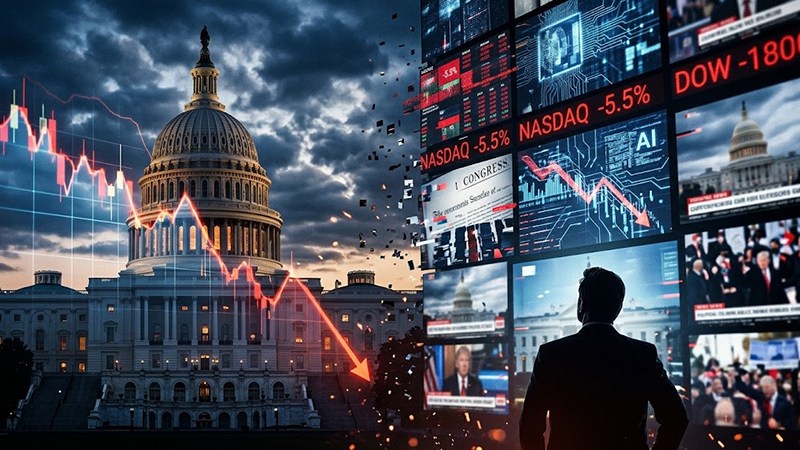
A historic congressional flip rattles tech giants and triggers market volatility, yet divided government delivers a vital financial shield for everyday families and community wealth.
Midterm Bloodbath Rattles Wall Street: What the AI Crash and Washington Gridlock Mean for Your Wallet
A sweeping Democratic victory across both chambers of Congress has sent shockwaves through Wall Street. The immediate reaction was a brutal 5.5 percent dive for the tech heavy Nasdaq and an 1,800 point drop for the Dow, driven by fears of regulatory roadblocks on artificial intelligence and data center construction. Yet for working households, retirees, and minority communities, divided government sets up a vital financial firewall that protects critical safety nets, stalls aggressive social spending cuts, and delivers near term relief at the gas pump.
If your retirement account took a punch this week, take a breath. What looks like disaster on financial cable networks often looks very different when you examine household balance sheets and long term community wealth.
The Stock Market Whiplash and the Tech Correction
Wall Street hates surprises, and sweeping control of Capitol Hill was a massive surprise. Tech darlings like Nvidia and Advanced Micro Devices took the brunt of the hit. Investors are suddenly pricing in severe headwinds for massive AI infrastructure projects.
State level political shifts, including resistance to unregulated data center expansion, have forced institutional funds to rethink unchecked tech growth. Defense contractors like Lockheed Martin and General Dynamics also slipped as traders anticipated tighter oversight and spending limits on executive military projects.
Money did not just disappear, though. It moved. Capital rotated immediately into renewable energy equities and managed healthcare providers.
History shows us that this initial panic tends to fade into corporate comfort. Wall Street actually loves divided power. When a Republican sits in the Oval Office and Democrats run the legislative committee rooms, neither side can easily push extreme policy swings. Legislative gridlock brings regulatory stability. Corporate earnings become predictable because broad overhauls stall out.
Looking past the daily market noise reveals an unbroken historical track record. Every midterm election since 1930 has seen positive returns over the subsequent twelve months, with the S&P 500 generating average gains between 14 and 17.5 percent. The panic you feel today usually turns into portfolio growth by next year.
What Washington Gridlock Means for Your Wallet
Market charts aside, what happens to your day to day cash flow?
- Cheaper Fuel: Global oil prices dropped sharply following the election results. Brent crude touched two month lows, bringing retail gas prices back toward sub four dollar levels. That puts hard cash back into household budgets every single week.
- Persistent Mortgage Rates: Housing affordability was a headline campaign promise, but politicians do not set lending rates. With home loan rates stuck above 7 percent, lower borrowing costs depend on inflation figures and decisions by the Federal Reserve, not congressional speeches.
- Taxes Remain Locked: Last year’s tax cuts for high earners and corporations remain safe from repeal. Neither party has the legislative leverage to overhaul the tax code right now.
- The Debt Ceiling Standoff: A split government guarantees an intense showdown over the 40 trillion dollar national debt ceiling. Expect headlines to trigger temporary swings in your 401k balances as deadlines approach.
Does This Political Shift Help or Hurt Minority Communities?
The real story for minority communities and working families lies in the social safety net and targeted community funding.
Over the past year, Black and Brown families faced real anxiety over proposed federal reductions to food assistance, Medicaid, and urban development grants. The change in congressional leadership acts as an immediate defensive shield. Essential programs like Supplemental Nutrition Assistance, Head Start funding, and federally funded local healthcare centers are insulated from severe cuts.
For community elders, Social Security and Medicare benefit structures are off the negotiating table. The legislative standoff keeps guaranteed retirement income secure from radical restructuring. Healthcare stocks climbed precisely because investors know public insurance enrollments and community health clinics will remain well funded.
At the same time, the regulatory squeeze on AI tech could have a mixed effect on minority owned businesses and emerging tech talent. Halting hyper scale data center development may limit pollution and energy cost spikes in urban and rural areas where these facilities get dropped. Yet slowing down tech rollouts can also narrow venture capital access for diverse founders seeking seed money in artificial intelligence.
Local economic development grants through the Small Business Administration will encounter divided budget debates. Winning federal contracts will require founders to align directly with bipartisan priorities like domestic infrastructure repair, clean water projects, and vocational workforce training.
The Strategy for Growing Your Money Now
Emotional investing destroys generational wealth faster than any bad tax law. The data is clear. Investors who dump their assets into cash out of political anger cut their lifetime portfolio returns in half.
Focus on the fundamentals that build family equity. High yield savings accounts still pay solid interest on emergency funds while borrowing costs remain elevated. Track corporate profit margins and inflation trends rather than political speeches.
Do not let short term market turbulence scare you out of long term assets. When headlines get loud, disciplined builders quietly buy quality assets at a discount and protect their household cash flow.
Reader FAQ
Will Social Security benefits change after the midterm elections?
No. Divided control makes major legislative overhauls to Social Security nearly impossible. Cost of living adjustments will continue to track government inflation indexes rather than legislative bills.
Why did tech and AI stocks fall so quickly after the vote?
Wall Street reacted to fears that new legislative leaders will impose stricter regulations on energy consumption, environmental permits, and data center buildouts necessary for training large language models.
Should I change my 401k or investment portfolio right now?
Financial strategists strongly recommend sticking to a consistent, automated investment plan. Historical data shows the stock market typically delivers double digit gains in the year following a midterm election.
#MoneyMatters #StockMarketCrash #WealthBuilding