

Overview: Minnesota Attorney General Keith Ellison joined a 21-state coalition on October 27, 2026, suing the Treasury Department to block sweeping exemptions to the Corporate Transparency Act. The federal lawsuit challenges FinCEN rules exempting 99.9% of businesses from reporting true ownership and halting the planned deletion of existing financial crime records
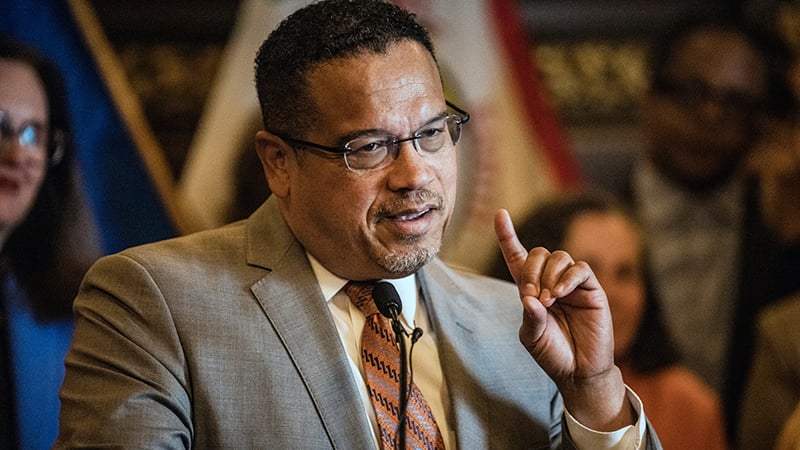
Twenty-one state attorneys general take the federal government to court to protect anti-corruption records and stop secret shell company schemes.
Fast Facts: What Happened Today
A coalition of 21 attorneys general sued the Treasury Department on October 27, 2026. Minnesota Attorney General Keith Ellison, Oregon Attorney General Dan Rayfield, and Illinois Attorney General Kwame Raoul lead the charge. The lawsuit aims to stop the Trump administration from disabling the Corporate Transparency Act.
The battle centers on a new federal rule that exempts 99.9% of businesses from reporting their actual owners. State leaders argue this move turns off the lights on dirty money networks, shields fraud rings, and deletes critical evidence already logged into federal databases.
The Corporate Transparency Act: Why This Law Matters
Congress passed the Corporate Transparency Act in 2021 with bipartisan backing. The goal was straightforward. For decades, criminal enterprises, crooked developers, and foreign oligarchs used anonymous domestic shell companies to park ill-gotten cash. They bought luxury real estate, funneled bribes, and avoided taxes without ever putting their real names on official paperwork.
The law required companies doing business across the United States to register their true beneficial owners with the Financial Crimes Enforcement Network, known as FinCEN. It gave local detectives, state attorneys, and federal agents a secure database to track stolen assets, unravel financial scams, and verify who really controls commercial entities.
In August 2026, the Trump administration gutted that reporting requirement. The White House issued an emergency carve-out that exempts practically all companies from filing their ownership records.
Then FinCEN announced an even bigger move. The agency revealed plans to delete the existing business ownership records it had already collected. Those files contain active, verified intelligence connected to open investigations across the country.
AG Keith Ellison Slams Federal Regulators
Minnesota Attorney General Keith Ellison did not mince words when announcing the legal offensive. He called the administration’s rollback an open invitation for grift.
“Let us review,” Ellison said. “The Treasury Department that answers to Donald Trump, the most nakedly corrupt president in American history, who has 34 personal convictions for fraud, has pardoned or commuted the sentences of scores of convicted fraudsters, and is gleefully using the White House to enrich himself to the tune of billions of dollars through shady deals with foreign governments and bitcoin companies, has gutted a bipartisan federal law designed to track dirty money and keep corporations honest. Raise your hand if you are surprised.”
Ellison took direct aim at the agency tasked with stopping illicit capital.
“FinCEN now stands for the Financial Crimes Empowerment Network,” Ellison stated. “I am filing this lawsuit because this corruption has to stop.”
The Legal Claims Behind the Lawsuit
The 21-state coalition filed their challenge in federal court to strike down the exemption and save the database. The complaint lays out four core legal violations committed by the Treasury Department:
- Regulators violated the clear text of the Corporate Transparency Act along with the Administrative Procedure Act.
- FinCEN skipped mandatory public notice periods, legal review stages, and formal stakeholder input windows before making the change.
- Federal officials acted in an arbitrary and capricious manner without offering a legitimate public policy rationale for gutting the rules.
- Agency leaders failed to consult with the Secretary of Homeland Security and the United States Attorney General as required by federal statute before granting massive exemptions.
The attorneys general want an immediate court order. They are demanding that the judge block the August rule, stop the purge of current records, and force FinCEN to collect beneficial ownership data as Congress originally commanded.
States Standing Together Against Financial Secrecy
States from every region of the country have signed onto the lawsuit. Joining Ellison, Rayfield, and Raoul are the attorneys general of:
- Arizona
- California
- Colorado
- Delaware
- District of Columbia
- Maine
- Maryland
- Massachusetts
- Michigan
- Nevada
- New Jersey
- New Mexico
- New York
- North Carolina
- Rhode Island
- Virginia
- Washington
- Wisconsin
These state leaders argue that when federal watchdogs look the other way, local communities foot the bill. Without ownership transparency, state tax revenues drop, local consumers get burned by phantom contractors, and law enforcement agencies lose their fastest trail to organized financial crime.
The case now moves to federal court, where judges will decide whether federal agencies can unilaterally rewrite anti-corruption laws passed by Congress.
#CorporateTransparency #KeithEllison #FinCEN