
I want to take the time out to thank this blogger for sharing their story with us. If you want to express your voice with our platform, just drop us a line soon.TNM
I would like to extend my gratitude to Community News Network-St. Louis/The Narrative Matters for sharing my story. I have chosen to remain anonymous to protect my privacy and well-being, especially considering my responsibility to support my family and maintain my reputation. The subject matter I’m about to discuss may also impact those close to me.
Several months ago, I was busy preparing my restaurant for another bustling weekend lunch, anticipating a visit from my husband’s work crew. Just as I felt ready, our daughter went into labor and couldn’t assist at the front register.
Rather than using that as an excuse, I forged ahead. My niece stepped in to help, and my mother-in-law—despite her battle with cancer—arrived eager to assist. She was delighted to soon be a great-grandmother for the twelfth time while I prepared to welcome my third grandchild, even though our son remains estranged from his three kids.
Now, back to the main point. My daughter’s labor turned out to be a false alarm, and she was placed on complete bed rest, which was a relief. I chuckled, knowing my daughters would probably figure out who wrote this.
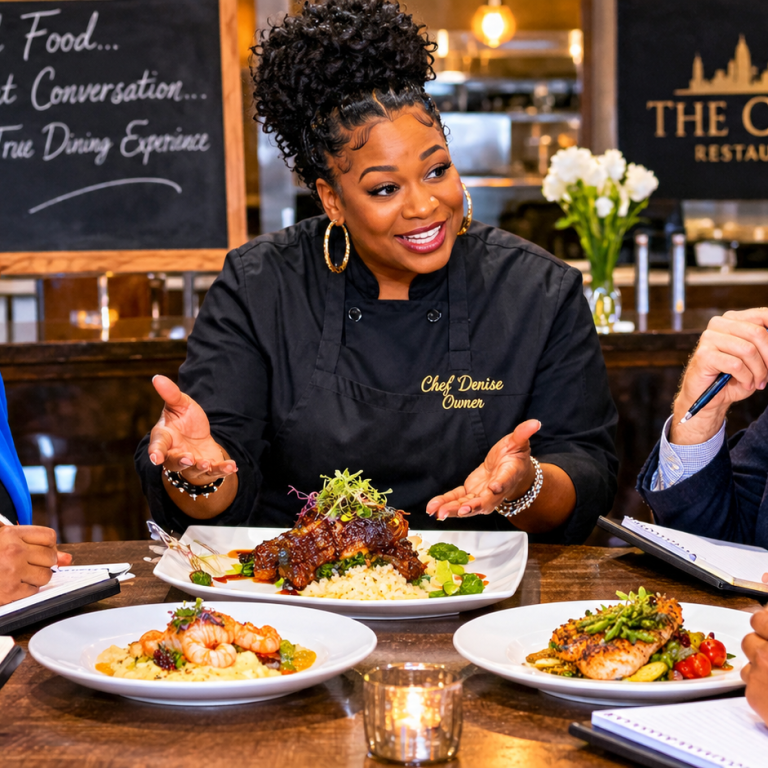
Upon my return to the restaurant in Florissant, I was welcomed by our regular customers, some who have mixed feelings about our food, as well as my husband’s crew. Everything was going smoothly until I was called over by table #19, occupied by three food influencers armed with shiny iPhones, tablets, and my signature dishes. I felt a wave of panic: one of my cooks was absent, and the food never tastes quite right without him.
The Critics
They immediately criticized my chicken for being dry and overcooked, called the waffles rubbery, and claimed the coffee was stale. I absorbed their complaints, apologized, and attempted to make amends. At that moment, my niece rushed over like she was intercepting a football, announcing that those influencers had already posted their negative review on social media, giving us a one-star rating and slamming our restaurant.
I felt shaken and disturbed. I led my niece and myself to the cashier and canceled their bill, asking them to leave. They departed, but not before one of them snapped pictures and shared them online.
Instead of venturing onto Facebook or Instagram, I decided to share my experience through this media platform to shed light on what transpired during my brunch hours.
These so-called food critics travel across the country to disparage restaurants in exchange for free meals. While there may have been a minor hiccup that day, I want fellow restaurant owners to know that you are not at fault. This is a widespread issue that needs addressing. I’m not advocating for a boycott of influencers, as everyone has their hustle.
The Resolution
What I am urging is for restaurant owners to be prepared to handle disruptions from customers, even during challenging staffing circumstances. I did what any responsible owner would do: I listened respectfully to their complaints, even as my daughter was resting at home, needing me.
My best advice for any restaurant owner in St. Louis or beyond is this: do not let these influencers see you at your worst. Continue to treat them like any other patron, with a smile and courtesy. In hindsight, I think they were looking for a reaction from me; instead, my focus was elsewhere. If it were up to me, I would have closed the restaurant that day to be with my daughter.
Food influencer
A food influencer who visits restaurants to critique food and the establishment is often referred to as a food critic or restaurant reviewer. These individuals typically have a strong social media presence, where they share their dining experiences through posts, photos, videos, and reviews on platforms like Instagram, TikTok, or YouTube.
Food critics may examine various aspects of an establishment, including:
- Food Quality: Taste, presentation, and creativity.
- Service: Attentiveness, friendliness, and efficiency of the staff.
- Ambience: Decor, cleanliness, and overall environment.
- Value: Pricing in relation to quality and portion sizes.
Renowned food critics and influencers have built their reputations on platforms such as Yelp, TripAdvisor, Instagram, and personal blogs. These individuals provide honest feedback that can significantly affect a restaurant’s reputation. While some food influencers primarily promote dining establishments, others adopt a more critical perspective, sharing both positive and negative experiences. When critiquing, they often do so constructively, aiming to guide restaurants towards improvement while informing potential customers.
The popularity of amateur food critics has surged alongside social media platforms like Facebook over the past few years. This trend, which began gaining momentum in the early 2000s, exploded in the 2010s as more individuals shared their reviews, experiences, and photos online. The rise of social media has made it easier for anyone to voice their opinions about food and dining, eliminating the need for formal credentials or professional training.
Regarding the legality of these reviews, individuals generally have the right to share their opinions about restaurants and food under the First Amendment in the United States, which protects freedom of speech. However, there are crucial considerations to keep in mind:
- Defamation Risks: Critics should avoid making false statements that could harm a restaurant’s reputation.
- Authenticity: Reviews should reflect genuine experiences to maintain credibility.
- Advertising Regulations: Influencers may need to disclose partnerships or sponsorships to comply with advertising guidelines.
By understanding these aspects, both critics and dining establishments can navigate the ever-evolving landscape of food reviews and social media influence effectively.
- Defamation: While expressing opinions is legal, making false statements that could harm a restaurant’s reputation could lead to defamation claims. Critics should ensure their reviews are based on facts or honest opinions to avoid potential legal issues.
- Copyright: Posting photos or content that you do not own or have permission to use could lead to copyright infringement claims.
- Terms of Service: Platforms like Facebook have their own terms of service that users must follow. If posts violate those terms, they could be taken down or lead to account suspension.
Overall, as long as amateur food critics are sharing honest opinions and adhering to local laws and social media platform rules, they are generally operating within legal boundaries.
Reporting food critics or any individuals for illegal activities typically depends on the specific laws and regulations of the jurisdiction in which the incident occurred. If a food critic is engaging in illegal activities—such as harassment, bribery, or any form of unethical behavior—it is advisable to take the following steps:
- Document Evidence: Keep records of any incidents, including dates, times, locations, and descriptions of the behavior.
- Understand Local Laws: Familiarize yourself with local laws regarding defamation, harassment, or other relevant issues. This will help determine if the critic’s actions fall within illegal boundaries.
- Contact Authorities: If the behavior is criminal in nature (e.g., threats, extortion), contact local law enforcement or the appropriate authorities to report the incident.
- Report to Professional Bodies: If the food critic is part of a professional organization, you may report their conduct to that organization.
- Seek Legal Advice: If you are unsure of your options or need guidance on how to proceed, consider consulting with a legal professional.
- Use Available Channels: Some reputational platforms or websites allow businesses to report unethical reviews or conduct, and using these channels can be an option.
Always ensure to act within the legal framework and gather appropriate evidence if you wish to pursue a formal complaint.