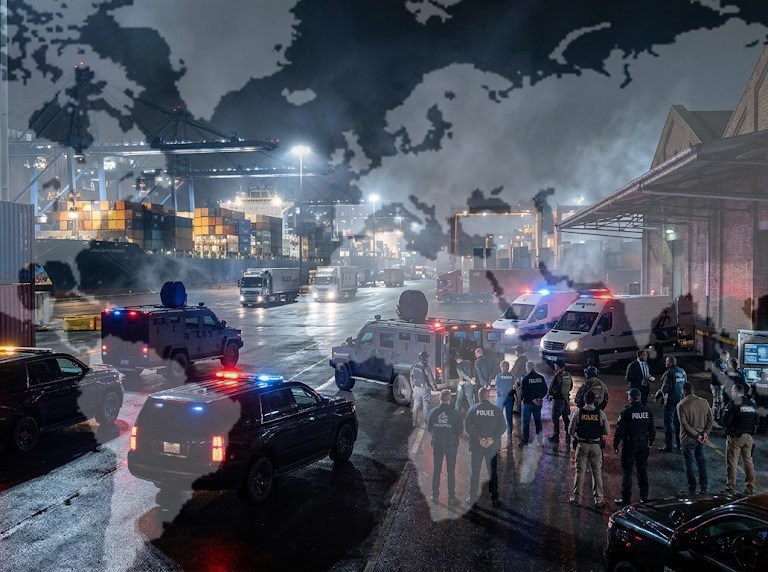

Overview: Washington’s decision to slap entity-wide sanctions on the International Criminal Court (ICC) marks an aggressive shift from diplomatic friction to outright financial warfare. By cutting off access to the US dollar and American banking networks, the administration aims to shield US personnel and allied leaders from foreign prosecution. However, the maneuver paralyzes the court’s basic daily operations, freezes vital war crimes investigations across the globe, unnerves European allies, and sparks constitutional free speech battles on American soil.
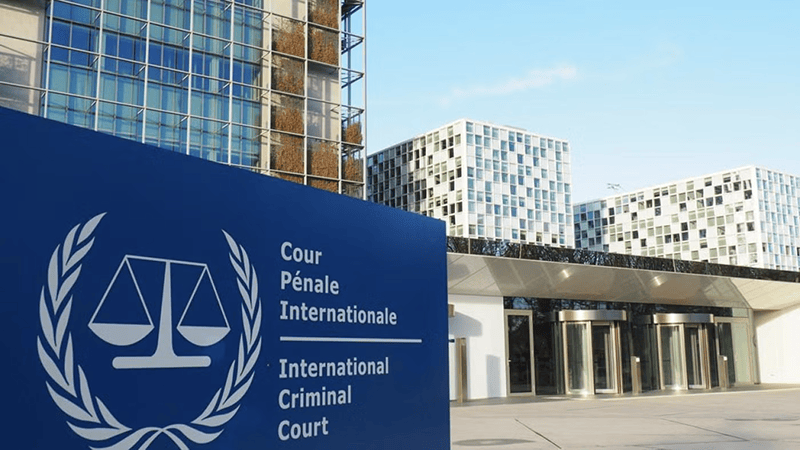
How cutting off the dollar weaponized US financial leverage against international justice, rattling allies and freezing active investigations worldwide.
When Washington pulled the trigger on full-scale sanctions against the International Criminal Court, it did not just pick a fight with a few judges in the Netherlands. It dropped a financial anchor right onto the engine of international law.
Depending on who you listen to in the capital, this move was either a long-overdue stand for national sovereignty or an act of self-inflicted diplomatic sabotage. What matters most right now is how the shockwaves hit global business, defense strategy, and everyday diplomatic power.
Drawing the Red Line
The official reasoning from the administration came down hard and fast.
First, the United States never signed up to be an ICC member. The Rome Statute was never ratified on Capitol Hill, and Washington has maintained for years that foreign benches have zero authority over American citizens. When the tribunal set its sights on U.S. service members and intelligence officers for past actions in Afghanistan, red flags went up across the Pentagon.
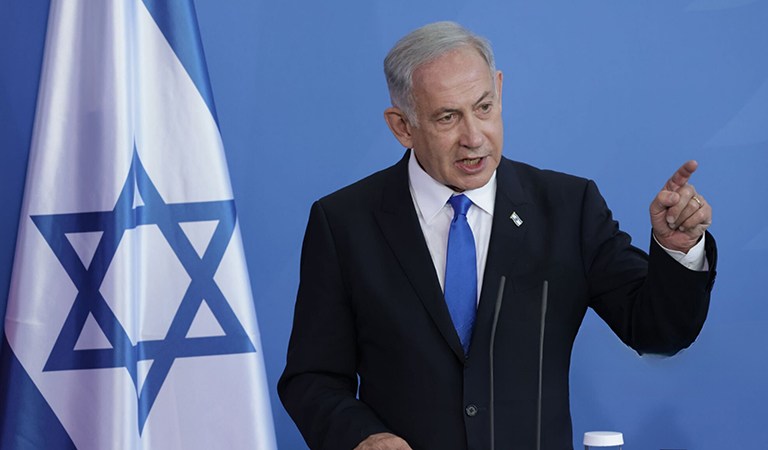
Second, the White House rushed to the defense of non-member allies, zeroing in on Israel. The moment the court issued arrest warrants for Prime Minister Benjamin Netanyahu and former Defense Minister Yoav Gallant over the war in Gaza, the gloves came off. The administration argued that the court was creating a false moral equivalence between democratic allies and terrorist leaders, while claiming jurisdiction over a country that never agreed to the court’s charter in the first place.
Third, officials labeled the tribunal a rogue and hopelessly politicized entity. Secretary of State Marco Rubio made the playbook clear: cut off the court’s access to the American financial system, squeeze its operations dry, and force member states to rethink their agenda.
The Collateral Damage
Targeting a global institution with the weaponized U.S. dollar carries consequences that go far beyond political talking points.
Because Washington controls the world’s primary financial clearinghouses, cutting off the court from dollar transactions paralyzes basic everyday work. Court staff suddenly find themselves locked out of normal digital tools, travel bookings, operational expenses, and standard banking lines. When you cannot run payroll or fly investigators to crime scenes, the machinery of justice freezes in place.
It also means that active international probes into human atrocities across places like Ukraine, Sudan, Libya, and the Philippines run directly into a funding wall. When the money stops moving, so does the work of protecting victims of mass violence.
Private firms, international banks, and civil rights groups are caught right in the middle. The fear of getting hit by secondary U.S. sanctions is already causing vendors to pack up and walk away. Nobody wants to risk an enormous Treasury fine just to provide routine IT services or legal consulting to The Hague.
The Strategic Backfire
For American power, the fallout cuts both ways.
European allies who stand squarely behind the Rome Statute are furious, driving a visible wedge through longstanding democratic partnerships. At the same time, attacking the court makes it far harder for Washington to point fingers at adversaries like Russia or China when human rights abuses happen on the world stage. You cannot easily lecture the room on war crimes while actively freezing the assets of the judges who try them.
Back home, the fight is already moving into federal courtrooms. U.S. civil society groups and legal teams are mounting constitutional challenges, arguing that these executive orders violate free speech and due process by making it dangerous for American citizens to communicate with foreign legal bodies.
The bottom line is simple: international law used to live in speeches and diplomatic summits. Now, it runs on financial warfare, executive pressure, and hard economic leverage.
#ICCSanctions #InternationalLaw #TheHague