
Overview: The Be Well Pavilion in Hyde Park, North St. Louis, is a community-driven revitalization initiative that transformed a vacant lot at 2030 Salisbury Street into a productive wellness hub. Funded by a $217,000 Neighborhood Transformation Grant through the St. Louis Community Development Administration (CDA) using ARPA funds, the site integrates an open-air market pavilion, community garden, and eco-friendly rainscape. It operates as a local business incubator to improve food access, stimulate neighborhood enterprise, and keep economic capital circulating within the community.
How a 217,000 Dollar Investment Turned an Abandoned Salisbury Street Lot into an Economic Engine for North St. Louis
From Blight to Bounty: The New Economic Engine on Salisbury Street
Vacant lots tell a specific story when left alone. Often, they signal disinvestment, decay, and missed opportunities. However, the narrative flips when a community reclaims its land. Real change accelerates once local leaders back that space with targeted capital.
That turnaround is unfolding right now in the Hyde Park neighborhood of North St. Louis. For years, an empty parcel sat dormant at 2030 Salisbury Street. Today, the community has completely overhauled that space. The site now features the brand-new Be Well Pavilion, an integrated community garden, and an eco-friendly rainscape.
This ambitious project did not happen by accident. Instead, strategic municipal funding fueled the entire build. The St. Louis Community Development Administration awarded a $217,000 Neighborhood Transformation Grant to make it possible. In addition, federal American Rescue Plan Act funds backed the initiative. For a corridor that waited decades for intentional renewal, this ribbon-cutting makes a powerful economic statement.
Food Equity as a Scalable Business Strategy
Real health in urban neighborhoods links directly to local commerce. When people lack access to fresh food within walking distance, health disparities widen. Consequently, local dollars drain away to outlying suburbs.
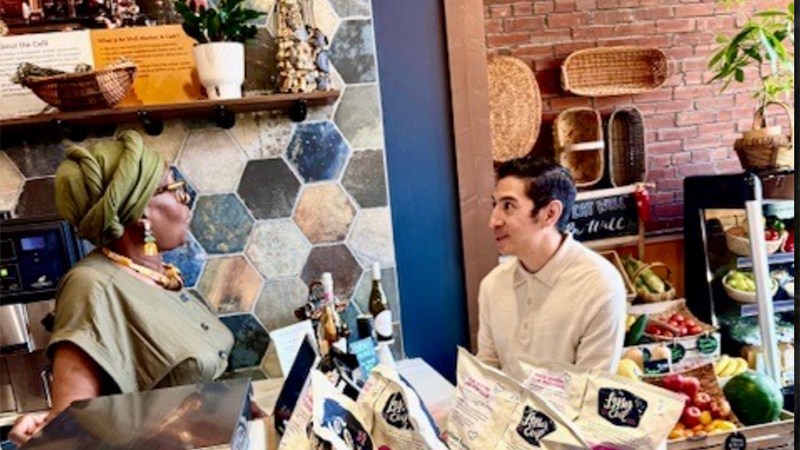
Be Well Cafe & Market Executive Director Fatimah Muhammad tackled this challenge head-on. She designed a community solution centered on active participation. As a result, the newly opened pavilion gives residents a permanent place to gather. Visitors can attend wellness classes, grow fresh vegetables, and support local small businesses.
Furthermore, Hyde Park refuses to wait for outside corporations to build supermarkets. Instead, the neighborhood is creating its own sustainable food system. The pavilion functions as an open-air commercial incubator. Therefore, regional growers, neighborhood bakers, and grassroots entrepreneurs gain a steady platform to sell directly to consumers. By keeping dollars inside North St. Louis, the project builds personal wellness and community wealth at the same time.
A Tangible Asset Residents Can See and Feel
City leaders, including Mayor Cara Spencer, joined residents and civic partners to celebrate the ribbon-cutting on Salisbury Street. The consensus across the crowd was unmistakable. Public capital must show up directly where people live, work, and raise families.
Too often, bureaucratic white papers and endless discovery phases delay municipal investments. In contrast, the Be Well Pavilion proves what happens when funding hits the ground quickly. The team transformed an old liability into a vibrant, productive asset. Ultimately, this space stabilizes property values, creates clean public green space, and fosters daily community connection.
Hyde Park is no longer just surviving the conversation around urban renewal. Instead, it is actively showing how grassroots leadership drives lasting community development.
Actionable Next Steps for Stakeholders and Community Partners
- Vendor and Entrepreneur Onboarding: Local food producers, urban farmers, and wellness practitioners can register directly with Be Well Cafe & Market to secure market stalls for upcoming weekend events.
- Community Garden Plot Allocations: Hyde Park residents seeking raised bed plots or seasonal volunteer shifts can connect with the garden committee at 2030 Salisbury Street.
- Neighborhood Transformation Funding Monitoring: Community leaders pursuing similar commercial corridor activations should check the St. Louis Community Development Administration portal for active grant opportunities.
#NorthStLouis #HydeParkSTL #CommunityDevelopment