

Articulated Insight – “News, Race and Culture in the Information Age”
Overview: After the Lindsay Clancy murder trial ended in a mistrial, public outrage shifted dramatically away from the killings of Cora, Dawson, and Callan Clancy and onto the lone Black holdout juror who refused to find Clancy not criminally responsible. Dr. Andrea Davis analyzes this collective reaction, exposing how American culture grants white defendants grace, medical context, and empathy while subjecting a Black juror demanding legal accountability to accusations of obstruction, bias, and hostility.
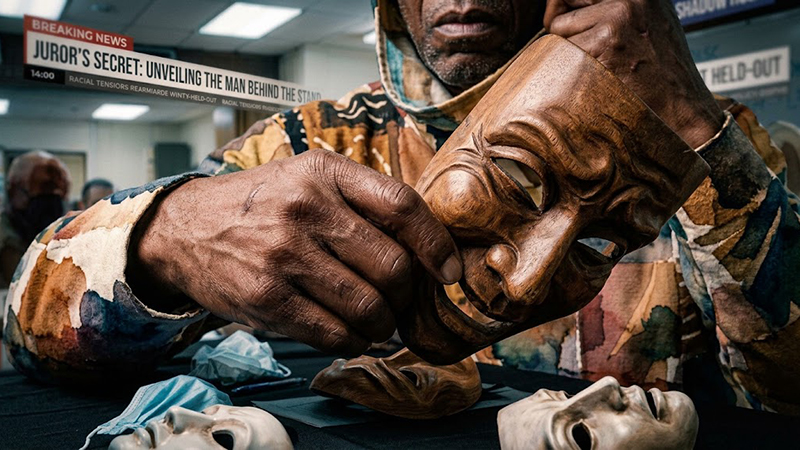
An incisive analysis of how race, empathy, and accountability collided when a lone Black juror refused to absolve Lindsay Clancy.
The Lindsay Clancy Mistrial: When the Holdout Juror Became the Story
Something strange happened after the Lindsay Clancy trial ended in a mistrial. Suddenly, the story was not about Lindsay Clancy anymore.
Clancy killed her three children: Cora, Dawson, and Callan. The central legal question was whether severe mental illness meant she was not criminally responsible. Eleven jurors ultimately agreed that it did. One did not.
Then we learned the holdout was a Black man. And suddenly, he became the target.
A Sudden Shift in Public Outrage
Other jurors publicly criticized him. Clancy’s defense team accused him of having an “agenda.” Questions have been raised about his conduct during deliberations, and those questions deserve appropriate scrutiny.
Still, I keep coming back to a different question: How did the juror end up being more offensive to some people than the act he was actually there to judge?
Think about that. A woman killed three children. Yet some of the strongest public anger following the mistrial has been directed toward the man who refused to agree that she should be found not criminally responsible. That flip is worth examining.
Who Gets Grace, and Who Gets Blamed?
Whether you believe Clancy was legally responsible is almost beside my point. Postpartum psychosis is real and devastating. Mental illness matters enormously when determining criminal responsibility, and we should be able to recognize that complexity.
We should also notice who benefits from that complexity.
I am fascinated by how differently we distribute empathy, innocence, vulnerability, and blame:
The defendant: A white woman who committed an unimaginable act has been discussed through the lens of illness, motherhood, suffering, and diminished responsibility.
The holdout juror: A Black man who would not absolve her of criminal responsibility has increasingly been discussed through the lens of obstruction, stubbornness, personal agenda, and blame.
Somehow, his refusal to acquit her became harder for some people to understand than her act of killing.
The Questions We Need to Ask
I am not saying every criticism of this juror is racist or unwarranted. I am also not saying the other eleven jurors were wrong. I am saying we need to ask tougher questions about the public reaction:
Whose behavior are we eager to explain, and whose are we eager to condemn?
Who gets context and grace?
Who gets reduced to the worst interpretation of their actions?
It is funny how we love to celebrate diversity right up until someone with a different perspective refuses to just go along with the group.
Looking Past the Real Tragedy
I do not need the Black juror to be a hero to find that disturbing, just like I do not need the other jurors to be villains. I do not need to decide Lindsay Clancy’s criminal responsibility myself, either.
We still need to notice when the person who did the act gets all the context, while the person who asked for accountability gets all the heat.
For me, the most unsettling part of what followed this mistrial was not that one juror refused to change his mind. It was how quickly our collective attention shifted from three children who were killed to the Black man who refused to look past it.
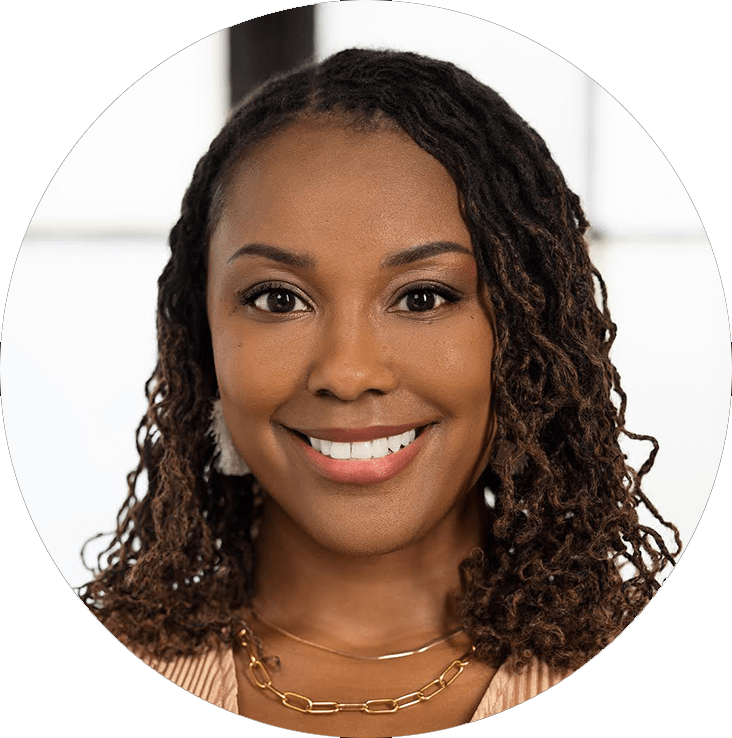

Scholar Unfiltered: Unmasking… is an incisive blog series authored by Dr. Andrea Davis, Chief Insights Officer at Promena and a trained social scientist and race scholar with a PhD in Criminology, Law & Society from the University of Florida. Drawing on over a decade of advising senior decision-makers across corporate boardrooms and major federal institutions, including the U.S. Department of Justice, Census Bureau, and USAID, Dr. Davis cuts through organizational rhetoric to translate complex sociological research into clear, practical workplace insight.
Written through the grounded perspective of an expert scholar-practitioner, the series deconstructs how authority, credibility, and opportunity operate within contemporary American systems and everyday professional life. Each installment interrogates deeply embedded workplace norms and institutional policies, illuminating the hidden mechanics of who actually wields power, how systemic advantages are quietly sustained, and what leaders must understand to drive authentic cultural and structural change.
#HispanicHeritageMonth #ExecutiveLeadership #CorporateEquity
#LindsayClancy #JuryDeliberation #RacialBias