

Dear The Narrative Matters,
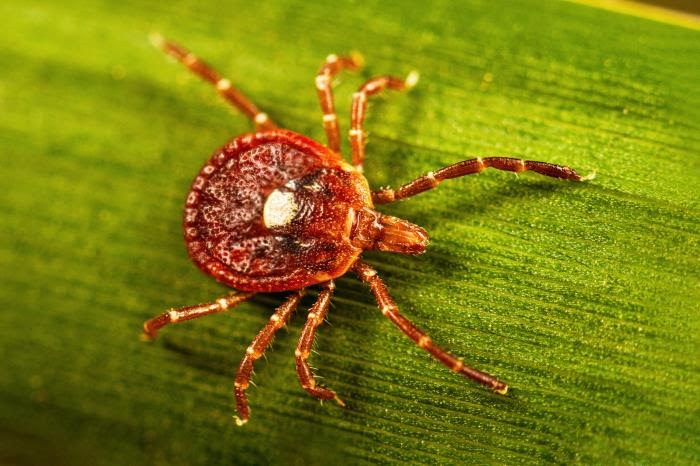
Recent reporting from the Desk has me feeling itchy. That’s because two of our reporters have been digging into alpha-gal syndrome, the strange and serious allergy to mammal products spread by tiny lone star ticks.
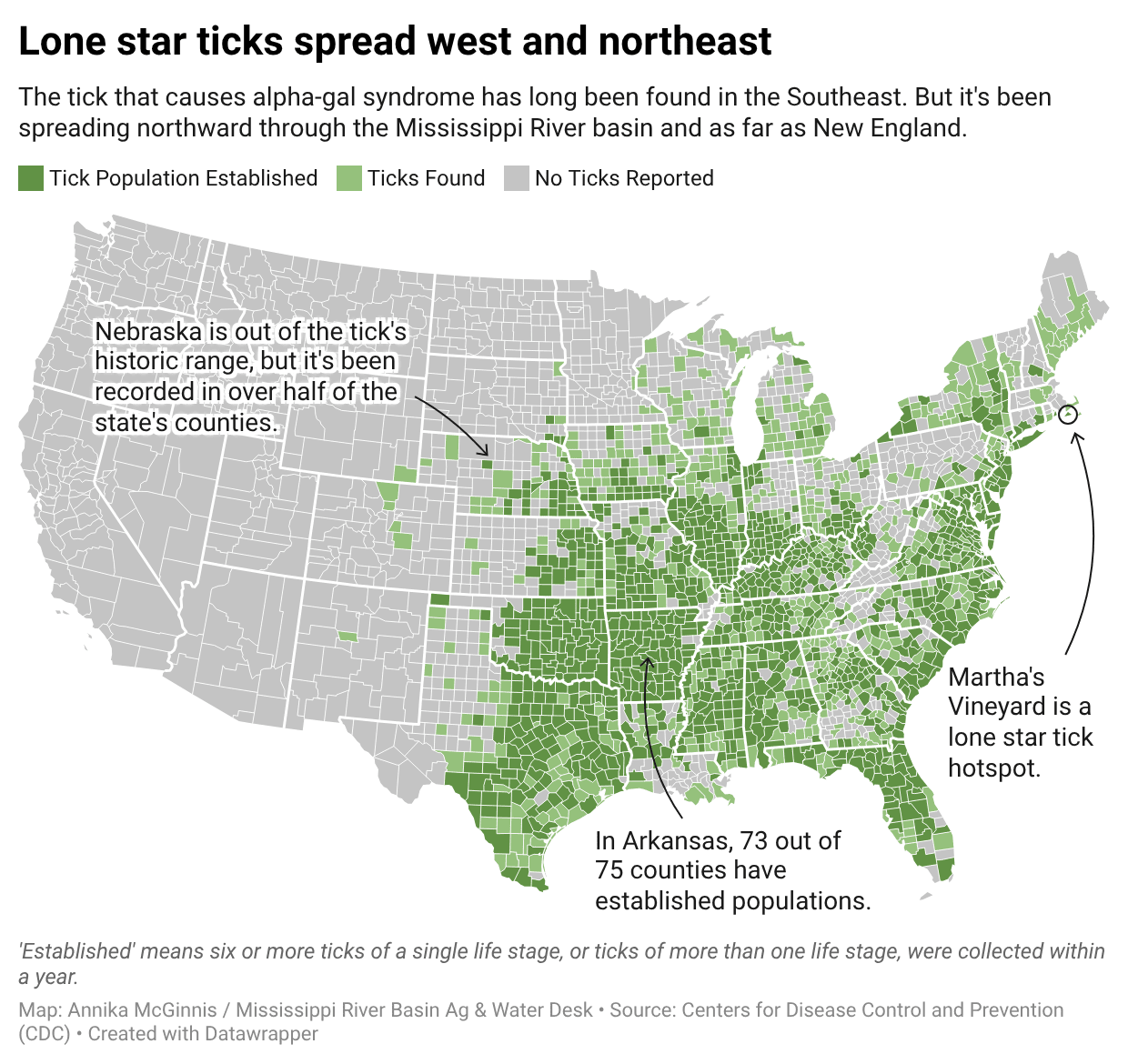
Alpha-gal cases are on the rise in the Mississippi River Basin, as climate change, exploding deer populations and shifts in land use lead to more and more human-tick encounters. Arkansas Times reporter Elizabeth Cline found the Natural State is a hotspot for alpha-gal, which is named for a sugar molecule in lone star tick saliva. The state had around 1,300 suspected cases in the first half of 2025 — a figure that has nearly doubled over the same period this year.
Elizabeth’s feature introduces us to Casey Hamaker, who has a severe case of alpha-gal. I asked Elizabeth how she found Hamaker. It started when a friend of hers reached out, asking for a Little Rock restaurant recommendation for an out-of-town visitor with alpha-gal. “At that point, I’m still thinking, ‘You just don’t eat red meat. How hard can it be?’” Elizabeth recalled.
The visitor was Hamaker. Who, it turns out, is not only allergic to red meat but also breaks out in hives when she’s exposed to many mammal-derived products that contain alpha-gal, from medication to shampoo to bottled water. (Some brands of water are filtered using mammal-derived bone char.)
Alpha-gal crosses all kinds of boundaries — city, state, cultural, political. “As we figure out what potential solutions are to alpha-gal, [we have to] remember that it’s going to have a lot to do with the culture and political context of the states that are dealing with it,” Elizabeth said.
Head around six hours north of Little Rock to St. Louis, where Nine PBS multimedia journalist Rose LaForest is producing a series of videos on alpha-gal this month. The first two pieces are easy-to-understand explainers on what alpha-gal is and how to know whether you have it. And in a broadcast piece next week, she’ll offer one example of community-grown solutions: an alpha-gal support group.
Rose spoke with several attendees of the group, including a woman who drove from an hour away in southern Illinois to attend. For people navigating a confusing diagnosis, and potentially significant lifestyle changes, community is everything. “It was really very intense, and it was quite emotional, how much it affected their lives,” Rose said.
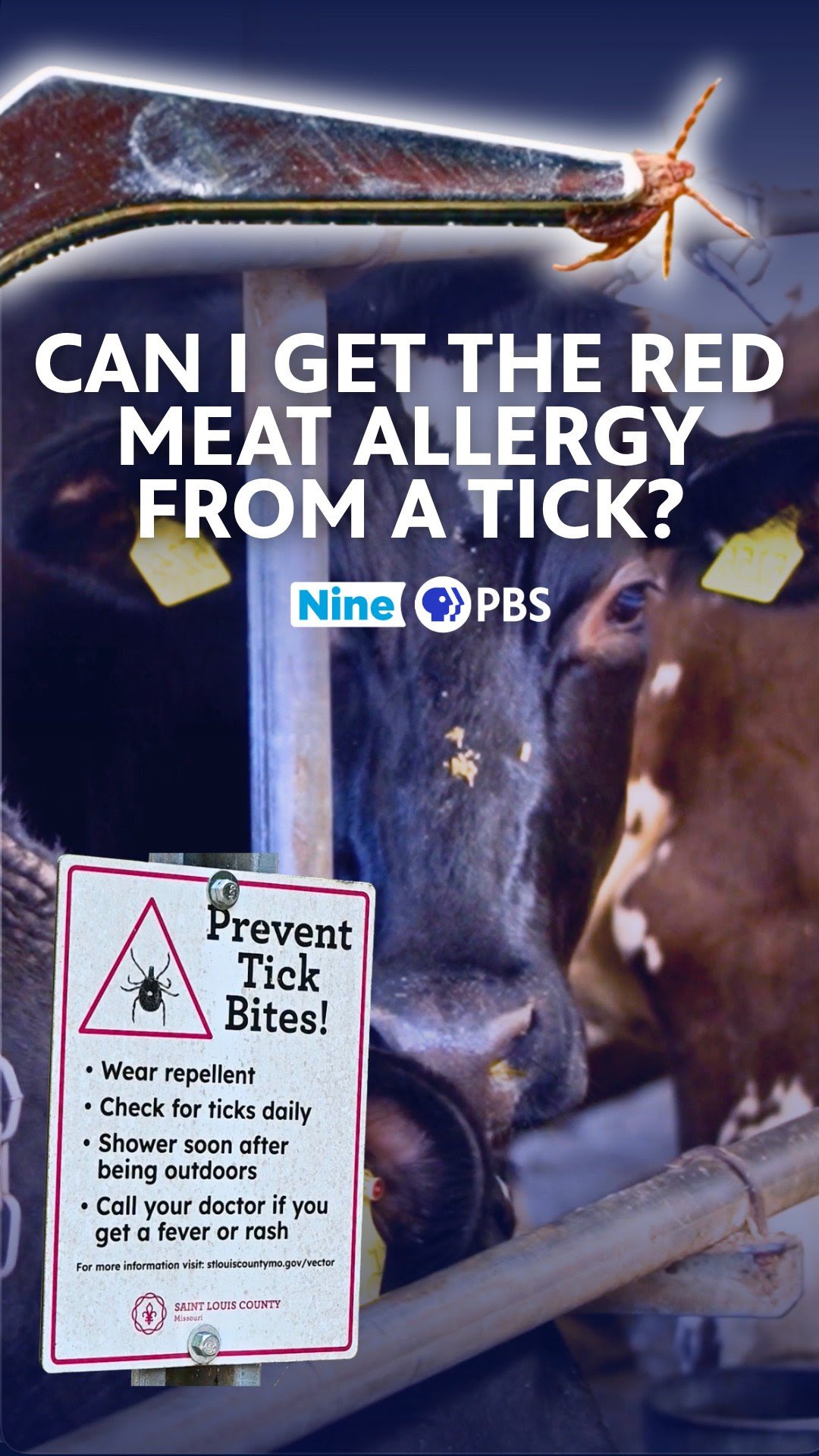
Rose’s first video in her alpha-gal series explains how the tick-borne allergy works. Watch it here. |
| While severe cases get the most attention, scientists are finding that far more people are exposed to alpha-gal than those who develop symptoms. Answering basic questions — like why some people have more severe cases than others and whether symptoms ever subside — remains an active area of research, which you’ll learn in both Elizabeth’s and Rose’s reporting. Together, these stories show the value of having our reporters in the communities they’re covering. And of having reporters ask these questions, documenting what experts learn as our understanding of alpha-gal grows. |
| Sincerely, Lina TranAssistant Editorial Director,Ag & Water Desk  |
The Mississippi River Basin Ag & Water Desk is an independent reporting network based at the University of Missouri in partnership with Report for America, with major funding from the Walton Family Foundation. Click here for a map of the basin and our partner newsrooms.