
Overview: All 168 tenants have officially moved out of the Mark Twain Hotel in downtown St. Louis, completing a high-stakes relocation effort triggered by civil settlements over severe squalor, code violations, and persistent crime. Backed by a $100,000 developer outreach fund and caseworkers from Peter & Paul Community Services, the building has been cleared and placed under 24/7 guard ahead of a multi-million-dollar historic renovation.
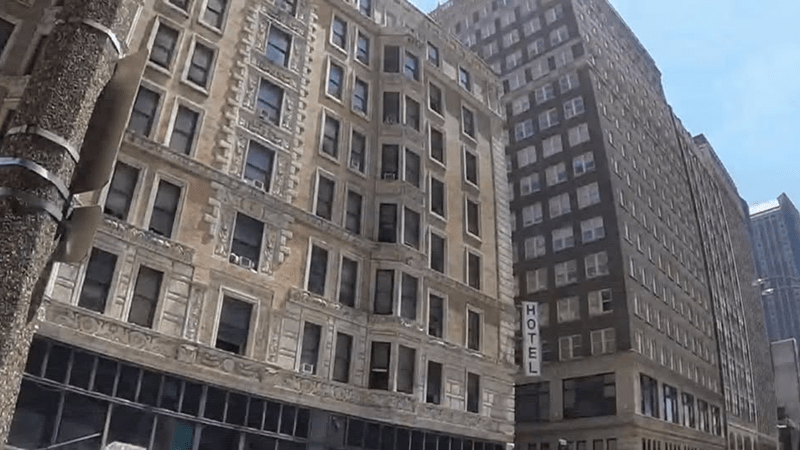
How an Emergency Settlement, Dedicated Caseworkers, and $100K Cleared a Notorious Downtown Landmark for Historic Redevelopment
The Last Resident Leaves the Mark Twain Hotel: Behind the Urgent Downtown Relocation
The final front door clicked shut just hours ago.
With that single turn of a key, all 168 tenants of downtown St. Louis’s notorious Mark Twain Hotel have found new places to live. It marks the finish line of an intense, high-stakes sprint that put city officials, nonprofit caseworkers, and private developers under a microscope.
On paper, it looks like a standard property turnover. In reality, it was an emergency intervention triggered by years of neglect, public outrage, and mounting legal battles.
Here is what really drove the closure, how the community pulled off the move, and why this shift matters for the future of downtown.
Why Did the Mark Twain Hotel Have to Shut Down?
The Mark Twain Hotel did not close because ownership simply decided it was time for fresh paint. It closed under intense legal and public pressure.
For months, investigative reporting from First Alert 4 pulled back the curtain on conditions inside the building. What they uncovered went far beyond routine maintenance issues:
- Chronic, Unchecked Squalor: Residents were living in decaying spaces filled with broken infrastructure, failed plumbing, and severe health hazards.
- Relentless Code Violations: City inspectors racked up violation after violation that went unresolved by management.
- Persistent Crime: The property had evolved into an active hot spot for dangerous crime, drawing constant police calls and leaving tenants trapped in an unsafe environment.
As public scrutiny peaked, the state and the city stepped in with legal action. The property owners faced a massive civil settlement. The mandate was clear: the building could not continue operating as it was. The tenants had to be moved out safely, and the site had to be shut down.
A Hundred-Thousand-Dollar Race Against Time
Emptying a 168-room residential hotel without dumping vulnerable people onto the streets is an immense logistical challenge.
That responsibility fell onto the shoulders of caseworkers from Peter & Paul Community Services. Armed with a $100,000 outreach fund paid for by the developers, the team went room to room.
They did not just hand out bus passes or temporary vouchers. Caseworkers worked directly with each resident to navigate paperwork, source viable housing, line up moving logistics, and secure permanent spots across the region.
Moving 168 vulnerable people under a strict settlement deadline could have easily turned into a humanitarian disaster. Instead, dedicated street-level casework turned a chaotic eviction crisis into an orderly transition.
Securing the Site for a Multi-Million-Dollar Rebuild
Now that the halls are quiet and the last tenant is settled, the next phase begins immediately.
Leaving an empty complex of this scale unattended in an urban core invites immediate trouble. The developers are not taking chances. The building is being locked down with 24/7 security teams, perimeter monitoring, and high-resolution surveillance systems.
Once secured, the property heads straight into a planned multi-million-dollar historic renovation. The goal is to strip away decades of decay and breathe high-value life back into a historic downtown landmark.
The Bigger Picture: Urban Revitalization and Real Responsibility
This turnaround is a case study in modern urban development.
For years, bad operators could hide behind deferred maintenance and let vulnerable tenants absorb the fallout. That playbook is expiring. When media visibility teams up with municipal enforcement and properly funded outreach, cities can clear out toxic environments without leaving everyday people behind.
The Mark Twain Hotel is finally empty. For the 168 people who called it home, it means a clean slate in a safe environment. For downtown St. Louis, it opens up prime real estate for real economic renewal.
#STLNews #StLouisHousing #DowntownSTL