
Overview: Growing outrage over civilian casualties in Sirik, Iran follows a deadly strike on a wedding party, while climate researchers document unprecedented soot-driven Himalayan glacier melting and oceanic warming surges pushing the current El Niño cycle beyond critical global thresholds.
A deadly strike on a wedding party prompts ICC calls, industrial soot ruins Himalayan ice, and Pacific water temperatures blow past records.
Civilian Casualties in Sirik Spark Protests as Climate Threats Surge
Outrage Grows Over Civilian Casualties in Sirik
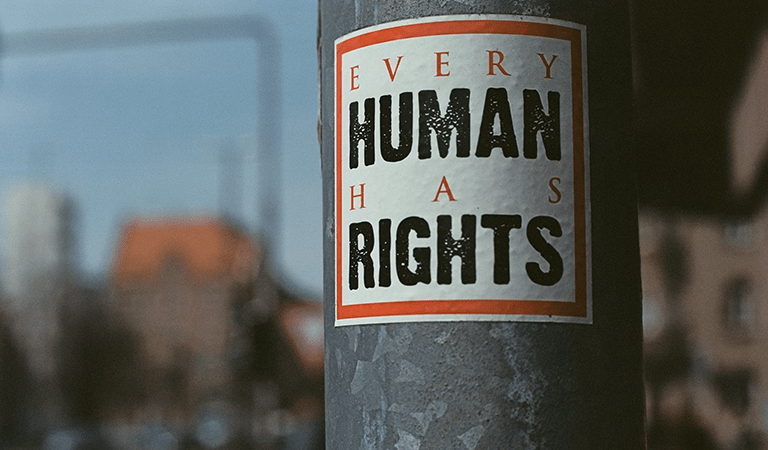
Reported civilian casualties in Sirik sparked international condemnation after a targeted operation struck a gathering in southern Iran, leaving 18 dead. The Iranian Red Crescent formally appealed to the International Criminal Court, challenging the operational justification and raising severe questions regarding collateral damage during strategic strikes. The diplomatic friction complicates control around vital maritime transit corridors, sending shockwaves through international shipping boards.
Industrial Exhaust Accelerates Himalayan Dirty Ice Runoff
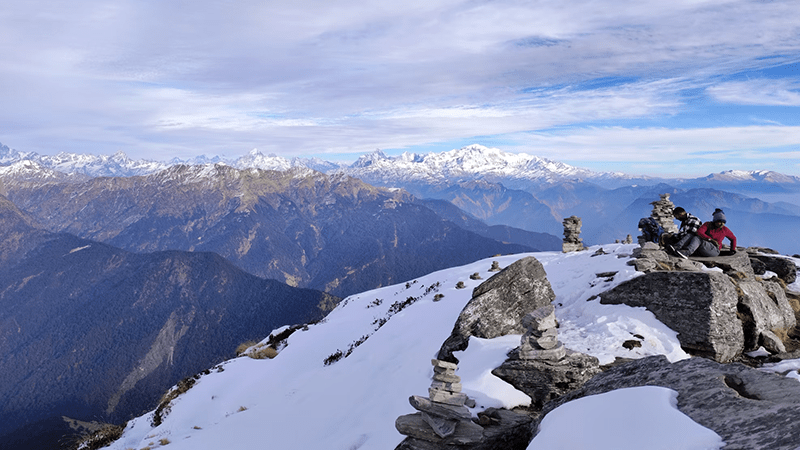
New field data from high-elevation research stations shows Himalayan dirty ice melting at an alarming, unprecedented rate due to dense concentrations of industrial soot and engine emissions. The dark particulate layer absorbs ambient thermal radiation, preventing natural solar reflection and destabilizing glacial foundations that feed downstream water supplies. The resulting glacial lake expansion creates severe outburst flood threats for communities across South Asia.
Historic El Niño Cycle Breaks Vital Thermal Thresholds
The current El Niño event reached critical intensity as central Pacific surface waters warmed to 2.6 degrees Celsius above historical baselines. The extreme energy exchange fuels erratic storm paths, severe regional droughts, and unpredictable rainfall bursts that disrupt agricultural output worldwide. Track Pacific temperature metrics through the National Oceanic and Atmospheric Administration.
Unchecked military escalation, vanishing glacial reservoirs, and chaotic climate patterns form an interdependent matrix of operational disruption that demands realistic, forward-looking strategies.
#ClimateCrisis #MiddleEast #ElNino