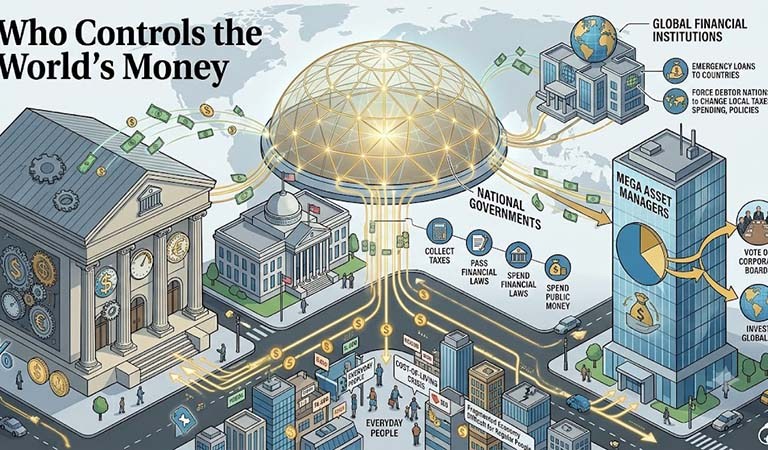

Overview: Big fintech dismantled legacy banking junk fees, democratized Wall Street through commission-free micro-investing, and accelerated payment rails for everyday Americans. However, that frictionless convenience brought serious trade-offs: unchecked phantom debt from Buy Now, Pay Later schemes, gamified retail options trading, and algorithmic customer service gaps that leave locked-out depositors stranded without human recourse.
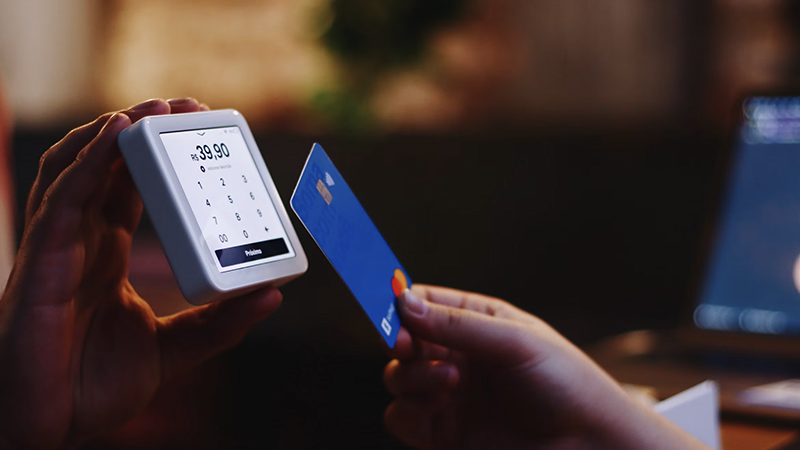
How zero-fee checking and one-tap loans changed everyday personal finance forever.
Impact of Big Fintech on the U.S. Consumer: The Real Trade-Off for Everyday Americans
The impact of big fintech on the U.S. consumer has fundamentally rewritten everyday banking, borrowing, and investing. By tearing down legacy fees and automating credit, platforms like Stripe, Chime, Robinhood, and Klarna expanded financial access to millions. Yet, this seamless digital convenience also unlocked new risks around phantom debt and gamified trading that regulators are racing to contain.
What Is the True Impact of Big Fintech on the U.S. Consumer?
The impact of big fintech on the U.S. consumer started with a direct assault on the traditional bank business model. For decades, legacy commercial banks relied on punitive fees and slow settlement systems to pad profit margins. When venture-backed platforms launched lightweight mobile alternatives, consumer expectations shifted overnight.
American households no longer tolerate waiting three business days for a transfer or paying twenty-five dollars because an account balance dipped below a threshold. Financial technology became an invisible layer woven into daily life.
The Positive Disruption: Lower Costs and Open Access
Digital banking for consumers forced commercial institutions to lower their prices. When neobanks removed friction, ordinary households kept more of their own cash.
Eliminating Junk Fees and Speeding Up Payroll
Chime proved that checking accounts do not need maintenance fees, minimum balances, or punishing overdraft charges. By offering paycheck access up to two days early, digital providers created a standard feature that traditional institutions like Bank of America and JPMorgan Chase had to match.
Democratizing Wall Street for Everyday Investors
Robinhood upended retail brokerage by scrapping the standard five to ten dollar commission per trade. Fractional share investing let anyone with a single dollar buy into high-priced technology stocks. This sparked retail participation and forced heritage platforms like Charles Schwab to eliminate trading fees entirely.
Invisible Infrastructure and Open Banking
Behind your screen, Stripe builds checkout channels that turn complicated online sales into a secure, one-tap reality. Meanwhile, Plaid serves as the underlying bridge that lets you link your payroll and checking accounts to external budgeting tools in seconds.
The Dark Side: Silent Debt and Financial Gamification
Friction exists in financial systems for a reason. When companies strip away every barrier to borrowing and trading, consumer behavior changes in unpredictable ways.
Buy Now, Pay Later Risks and Phantom Debt
Klarna and Affirm market installment loans as harmless alternatives to credit cards. Because these point-of-sale micro-loans often skip traditional credit reporting bureaus, consumers can easily rack up multiple payments across several platforms. Federal monitors at the Consumer Financial Protection Bureau warn that this unchecked borrowing can build hidden financial distress.
The Cost of Gamified Retail Investing
Zero-commission trading is never truly free. Payment for order flow business models incentivize apps to keep retail accounts actively trading. Push notifications, confetti animations, and instant access to complex options markets led many novice retail accounts into high-risk trades without adequate risk management.
Algorithmic Customer Service Gaps
Branchless operations keep overhead low, but they create major problems when fraud strikes. Users locked out of neobank accounts or digital wallets frequently run into automated chatbot loops with no human branch manager available to release frozen funds.
Summary Checklist: Weighing the Trade-Offs
- Banking Costs: Direct win for consumers as overdraft fees drop, minimum balance demands vanish, and early direct deposits become the standard.
- Investment Access: High initial win through zero commissions and fractional shares, balanced by real losses from high-risk gamified options trading.
- Everyday Commerce: Exceptional convenience with instant checkout, counterbalanced by quick installment plans that encourage impulse buying.
- Data Portability: Open banking creates seamless budgeting connections, though data privacy requires vigilant oversight.
The impact of big fintech on the U.S. consumer proves that convenience is not the same thing as financial protection. These platforms handed everyday Americans unprecedented control over their capital. The real work ahead belongs to consumers learning to navigate frictionless temptation, and regulators establishing rules that preserve innovation without inviting predatory debt.
#Fintech #PersonalFinance #ConsumerProtection