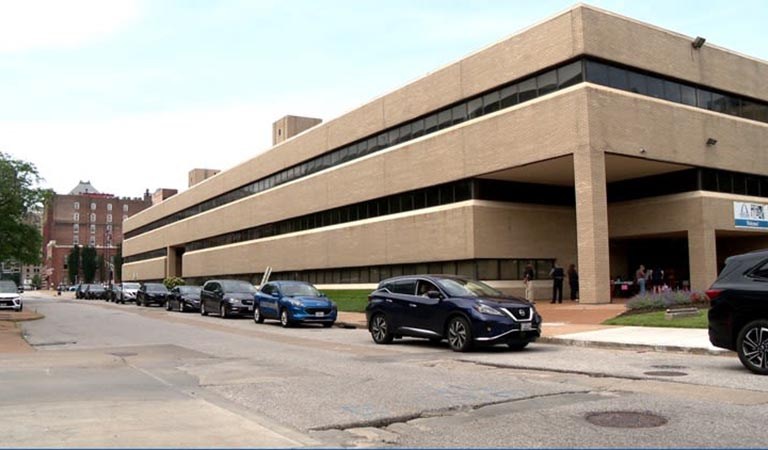

Overview: KIPP St. Louis has permanently exited St. Louis Public Schools (SLPS) facilities after lease and purchase negotiations collapsed over the Mitchell and Pruitt buildings. The network consolidated 800 students into two network-owned campuses on Linton Avenue and North Jefferson Avenue, securing operational independence while triggering intense citywide debates over public school facility vacancy, attendance, and educational equity.
How the Charter Network’s Exit to Independent Campuses Reshapes Attendance, Real Estate, and Educational Equity for 800 Students
KIPP St. Louis Leaving SLPS Buildings: What It Means for Urban Families
KIPP St. Louis leaving SLPS buildings marks a defining pivot in the city’s educational landscape. By exiting long-standing district lease agreements at the Mitchell and Pruitt sites, KIPP St. Louis now houses all 800 affected students in network-owned properties, altering daily routines, neighborhood dynamics, and facility funding across St. Louis.
KIPP St. Louis Leaving SLPS Buildings: The Facility Relocation
KIPP St. Louis has officially ended its decade-long co-location and leasing partnership with St. Louis Public Schools (SLPS). The split occurred after negotiations stalled over property purchasing rights and long-term lease conditions for the historic Mitchell and Pruitt facilities.
Rather than shutting down programs, the charter network consolidated its operations into properties it already owns. This direct move protects the network from future district disputes:
- KIPP Victory Academy (Grades K–5): Moved out of its district space to share a campus with KIPP Triumph Academy (Grades 6–8) at 1409 Linton Avenue.
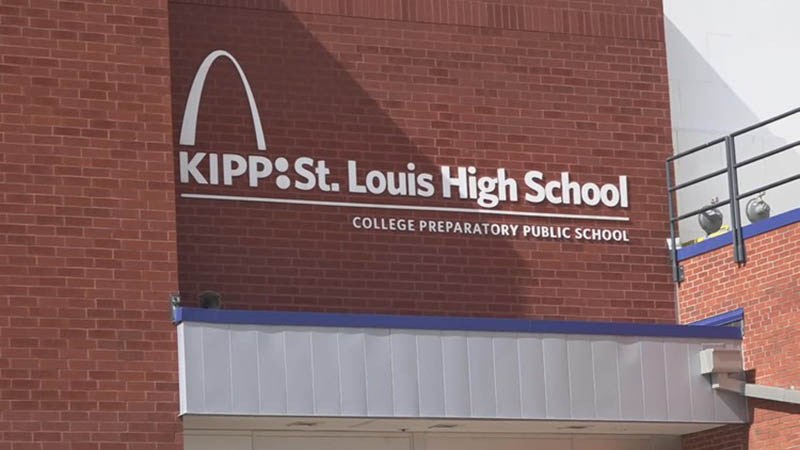
- KIPP Inspire Academy (Grades 6–8): Relocated to co-locate with KIPP St. Louis High School (Grades 9–12) at 706 North Jefferson Avenue.
Roughly 800 elementary and middle school students shifted to these consolidated hubs. Network leaders emphasize that full ownership provides operational independence, direct control over facility investments, and long-term stability for enrolled families.
Facility Ownership: Weighing the Community Impact
The decision to buy and build independent facilities instead of renting public district space sparks sharp debate across urban planning and public education.
Advantages of Independent Charter Campuses
Independent facilities give charter organizations complete freedom to customize learning environments. Networks can renovate spaces specifically for extended-day schedules, targeted small-group intervention rooms, and dedicated arts or athletic programs without district red tape.
Direct property ownership also shields school communities from sudden lease cancellations or contentious contract renegotiations. Furthermore, bringing philanthropic dollars and private capital into facility purchases helps restore historic, underutilized urban buildings across St. Louis neighborhoods.
Drawbacks for Public School Infrastructure
Operating independent facilities can cause severe resource fragmentation. When charter networks vacate district facilities, traditional public school systems are left with empty classrooms, rising maintenance costs, and underused buildings.
Critics also point to funding disparities. Public per-pupil dollars help support charter operational budgets and building debt, which opponents argue siphons essential capital away from traditional neighborhood schools. Campus relocations also create immediate transportation hurdles for families who built their daily routines around neighborhood-based facilities. Read research on charter facility funding policy via the National Charter School Resource Center.
Academic Performance and College Preparation Realities
Academic outcomes across the network present a mix of strong college-preparatory culture alongside stubborn proficiency gaps.
On the Missouri Assessment Program (MAP), math and reading proficiency rates across several KIPP St. Louis campuses have hovered between 5% and 20%. These figures trail Missouri state averages of roughly 40%, reflecting the systemic challenges common to high-poverty urban school environments.
Campuses like KIPP Wonder Academy and KIPP St. Louis High School continue to battle high rates of chronic absenteeism. Despite low baseline test scores at entry, the network leans heavily into post-secondary success through its signature KIPP Forward program, providing dedicated counseling, persistence coaching, and career pathways through high school graduation. Broader research from organizations like Mathematica Policy Research confirms that while national charter networks often drive substantial academic growth, local results depend heavily on teacher retention, neighborhood stability, and student support systems.
#KIPPStLouis #SLPS #UrbanEducation