
3 health facts of the week are essential for understanding how minor daily habits and massive global shifts dictate our everyday well-being. If you want the bottom line right away: physical exercise keeps you young by protecting your cellular DNA, global public health initiatives successfully added five years to our collective lifespan in a single generation, and your body launches respiratory droplets at highway speeds when you are sick.

DISC Health Equity Action Lab
[mcb-block id=235317]Weekly Health Tips: 3 General Health Facts You Need to Know Right Now
The Narrative Matters × Howard University Hospital Your Community Partner for a Healthier Future
Staying informed about our bodies and global health trends empowers us to make better decisions for our well-being. This week, in partnership with Howard University Hospital, we bring you three essential health facts that highlight the power of regular exercise, positive shifts in global longevity, and the incredible mechanics of the human respiratory system.
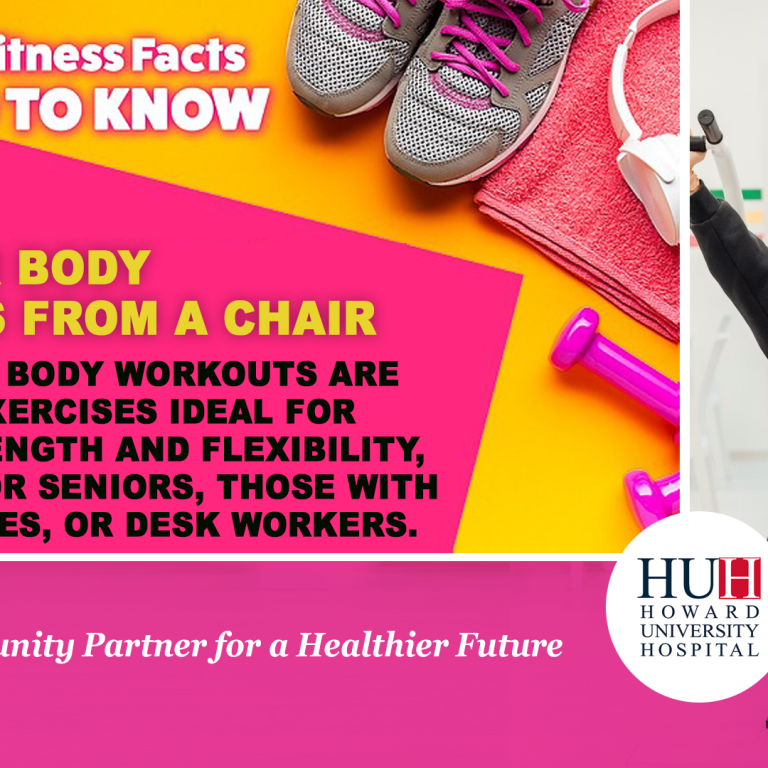
1. Keeping Your DNA Young Through Regular Exercise

The Fact: Exercising regularly can increase your lifespan by keeping your DNA healthy and young.
Medical research highlights that consistent movement keeps your biological clock ticking slower. Regular exercise protects our chromosome caps—called telomeres—which naturally degrade over time. By keeping these genetic end-caps intact, physical activity ensures your cells behave years younger than your calendar age.
2. A Historic Leap in Global Life Expectancy
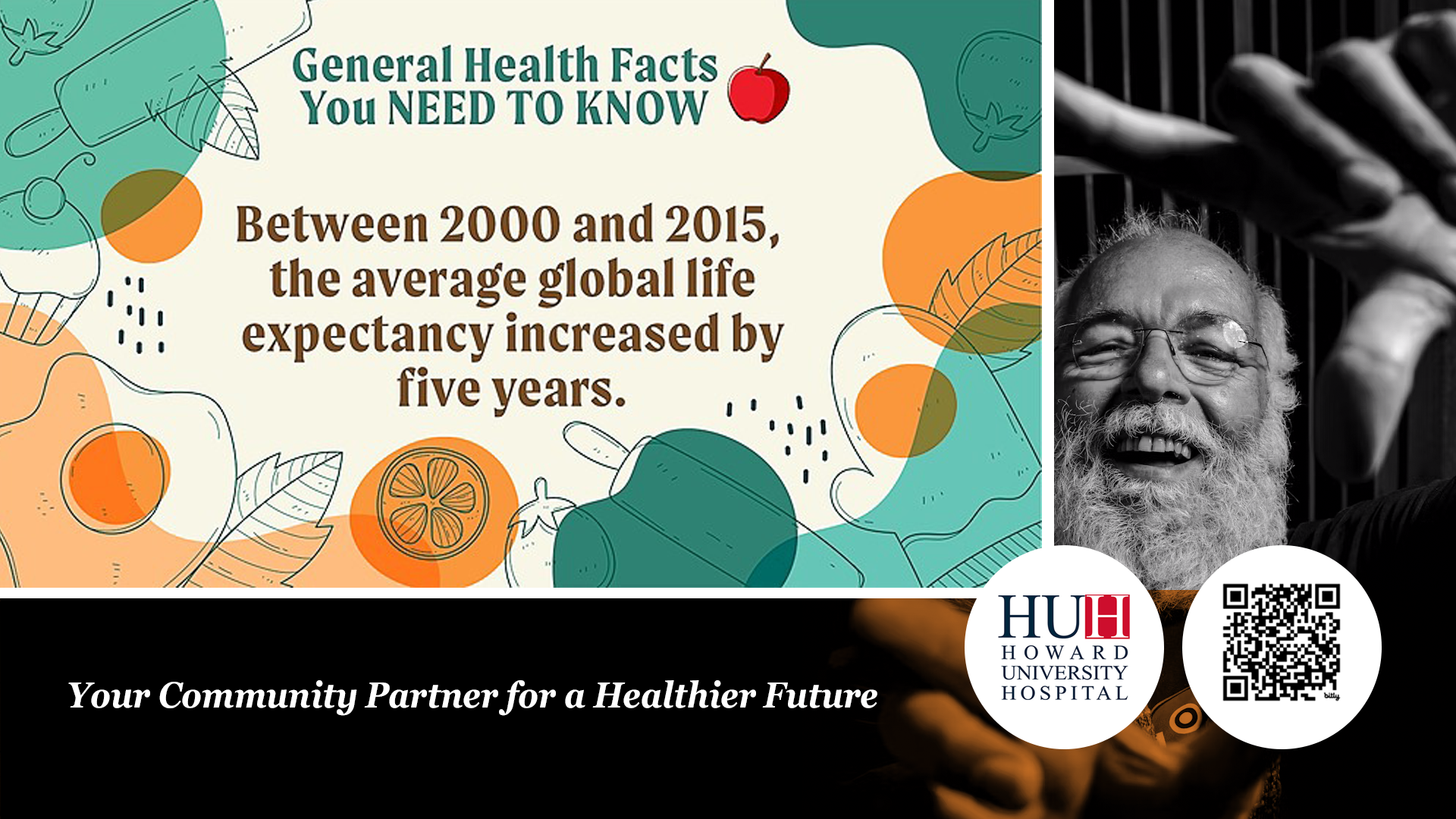
The Fact: Between 2000 and 2015, the average global life expectancy increased by five years.
Between 2000 and 2015, the world witnessed a massive, historic acceleration in survival rates. Driven by targeted efforts against major infectious diseases and drastic improvements in infant care, global life expectancy surged by a full five years. It stands as definitive proof that community health intervention saves lives on a monumental scale
3. The Shocking Velocity of Coughs and Sneezes
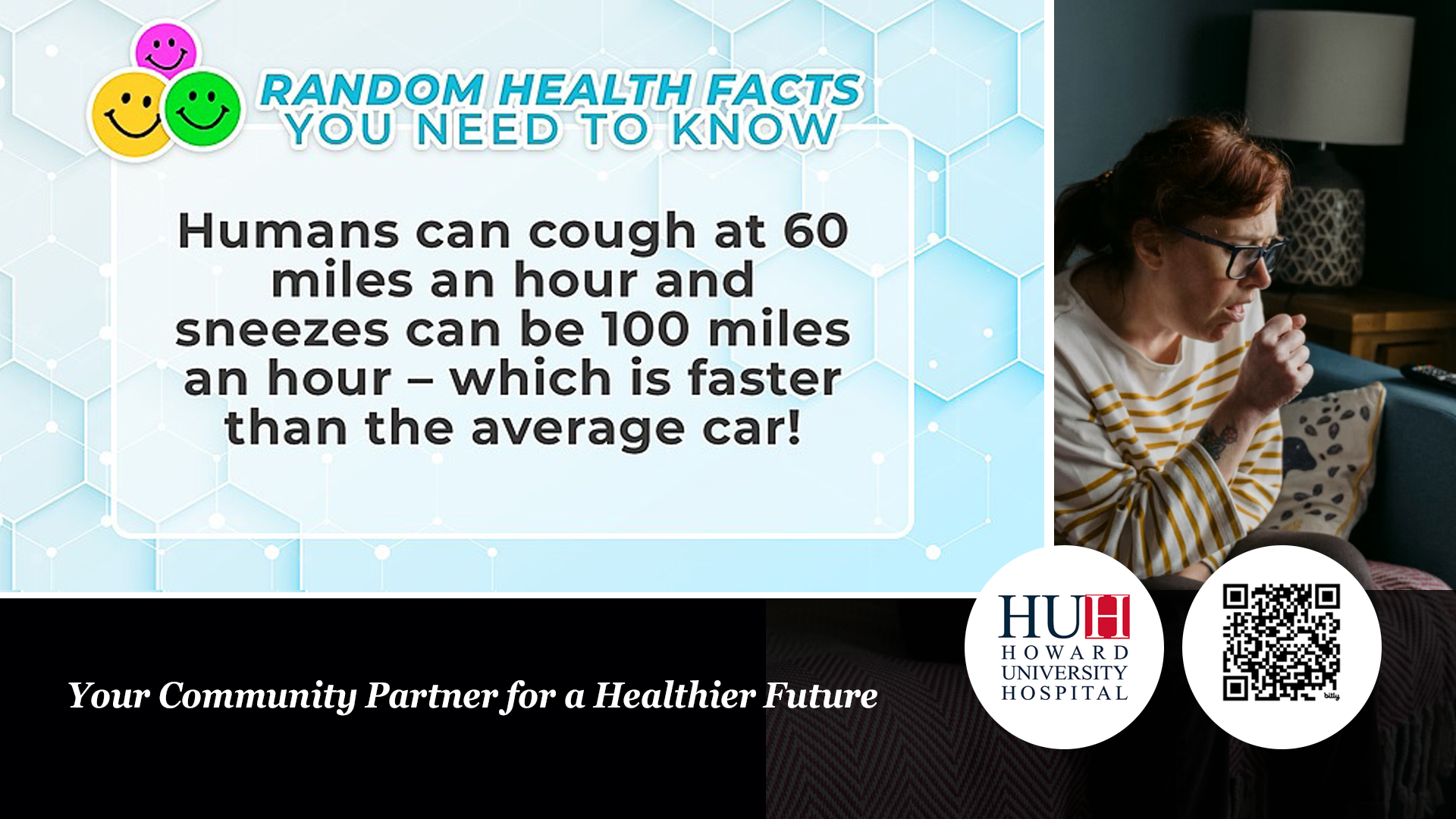
The Fact: Humans can cough at 60 miles an hour and sneezes can be 100 miles an hour – which is faster than the average car!
Your respiratory system possesses a terrifying amount of power when clearing out an infection. A typical human cough clocks in at an intense 60 miles per hour, while a strong sneeze can blast air out at a blistering 100 miles per hour. Because these particles travel faster than a car on the open road, covering your mouth isn’t just polite—it’s a critical safety barrier for everyone around you.
Howard University Hospital Your Community Partner for a Healthier Future
About
DISC Health
The Health Equity Action Lab (HEAL) is an initiative by Dynasty Interactive Screen Community aimed at addressing health disparities in the U.S. and globally. By engaging media and stakeholders, HEAL seeks to reduce health inequalities and raise awareness. Their approach includes overcoming socio historical barriers and confronting the institutional, social, and political factors that perpetuate healthcare inequality.
Learn more about the health education partnership:
Howard University Hospital (HUH)
Howard University Hospital, established in 1862 as Freedmen’s Hospital, has a rich history of serving African Americans and training top medical professionals. Located in Washington, D.C., it is the only teaching hospital on the campus of a historically Black university. HUH is a Level 1 Trauma Center and a critical healthcare provider for underserved populations. It offers advanced medical services, including robotic surgery, and has received numerous accolades for excellence in specialties like heart care, stroke treatment, and radiology.
Learn more about Howard University Hospital (HUH)
Howard University Faculty Practice Plan (FPP)
The Howard University Faculty Practice Plan is a multi-specialty physician group in Washington, D.C., dedicated to advancing healthcare and eliminating health disparities. It offers comprehensive services, including primary and specialty care, mental health, imaging, and cancer care, all connected to Howard University Hospital. FPP emphasizes patient-centered, respectful care for the diverse community and provides free health screenings and events to promote wellness.
Learn more about Howard University Faculty Practice Plan (FPP).
Get more Disc Health Weekly Tips:
#HealthFacts #Longevity #WellnessTips