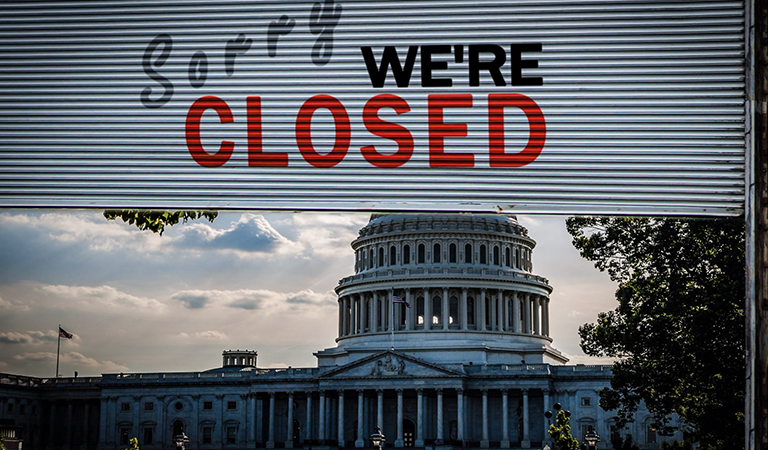

Overview: Costco closes on Labor Day to grant employees a guaranteed paid holiday, proving that enterprise retail can honor workers’ rights without hurting long-term profitability. In contrast, big-box chains like Walmart and Target remain open to capture holiday foot traffic. This business choice disproportionately forces frontline workers of color into holiday shifts under rigid attendance policies, draining consumer capital away from neighborhood main streets and reinforcing broader economic inequality.
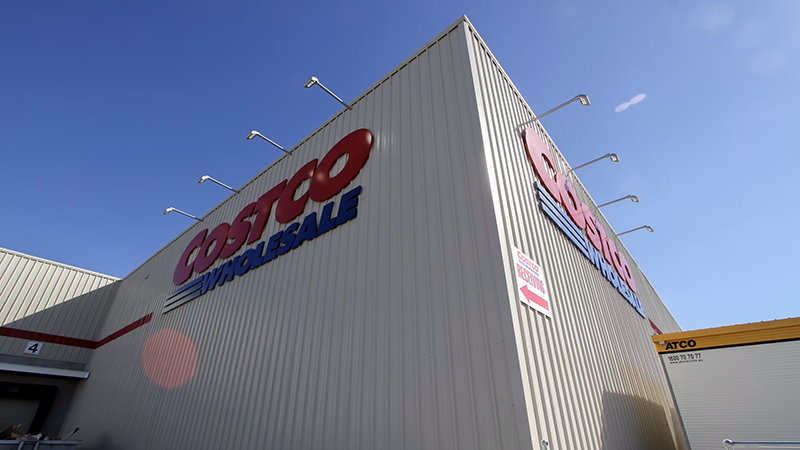
Why closing big-box doors on Labor Day protects frontline workers, challenges retail exploitation, and redirects vital wealth back into local neighborhoods.
Every September, millions of shoppers load up their digital carts, pack the parking lots, and hunt for mattress markdowns. Meanwhile, Costco leaves its doors shut and its massive lots completely empty.
Costco gives its hourly and salaried workers seven guaranteed paid holidays a year, including Labor Day. On the flip side, retail giants like Walmart and Target stay wide open, turning an official celebration of the working class into one of the busiest shopping weekends of the quarter.
It exposes an uncomfortable contradiction: a federal holiday created to honor labor has quietly transformed into a corporate festival that demands more labor.
The Labor Day Contradiction
Labor Day was signed into law in 1894 after nationwide strikes pushed Washington to recognize the dignity and sweat of everyday workers. Requiring retail staff to clock in during a holiday explicitly built to honor them feels tone-deaf at best and predatory at worst.
Closing doors on major holidays produces tangible business value. Costco is not struggling. It remains a retail powerhouse specifically because it protects its workforce. Predictable paid days off cut turnover, build institutional memory, and generate real employee loyalty. When workers feel respected, inventory shrinkage drops and customer service scores rise.
The Economic Split: Who Really Works on Holidays?
Staying open creates a distinct social footprint. Retail leadership rarely spends Labor Day running a cash register. The staff staffing the floors, restocking aisles, and working backrooms over holiday weekends disproportionately represents communities of color and lower-income families.
While some workers chase holiday premiums or overtime, retail staffing often relies on strict attendance points and inflexible scheduling. Taking the holiday off without paid leave frequently means risking a paycheck or losing good standing at work. It deepens existing wage inequalities by turning a national day of rest into an economic penalty for the most vulnerable staff members.
The Local Alternative
Big-box chains use these weekends to clear seasonal stock and lock up massive revenue streams. That money flows directly out of local neighborhoods and into centralized corporate balance sheets.
If commerce must happen on Labor Day, neighborhood shops and independent bodegas offer a much healthier model. Independent business owners live in the neighborhood, reinvest revenue into the surrounding community, and build real community wealth. Supporting neighborhood establishments over massive retail conglomerates keeps dollars circulating where they matter most.
The Bottom Line on Store Openings
Major chains should close on Labor Day. Treating an annual salute to the working class as an excuse for an end-of-summer clearance sale discards the entire spirit of the holiday. Costco proves that a multi-billion-dollar enterprise can sacrifice a single day of sales, prioritize human dignity, and still generate exceptional profits.
If retailers insist on opening their doors, they must make shifts strictly voluntary, provide double-time pay, and distribute profits fairly to the front-line staff making those sales possible. Anything less turns a day of worker celebration into just another shift.
#LaborDay #RetailWorkers #ShopLocal