
Overview: Black exploitation horror films of the 1970s transformed American cinema by placing Black protagonists, cultural folklore, and spiritual themes at the center of mainstream supernatural storytelling. Pioneering releases like Blacula, Ganja & Hess, Sugar Hill, and Abby dismantled Hollywood’s traditional horror tropes, proving that African American leads could anchor high-grossing, genre-defining cult classics that permanently expanded racial representation in cinema.
How 1970s cult classics like Blacula, Abby, and Ganja & Hess shattered cinematic boundaries and redefined Black representation in horror
Abby (Full length movie-YouTube)
A Seasonal Trip Back to 1970s Horror
We have been showcasing some fantastic horror films on our platform for many years. As Halloween approaches, let’s not forget the Black exploitation movies that still give us chills. Personally, my absolute favorite is Abby, starring the late, brilliant Carol Speed.
I am not typically a hardcore horror fan. However, Abby and The Exorcist remain my top picks for the most entertaining scares. Reflecting on the best Black exploitation horror films from the 1970s, I cannot help but chuckle at some of the cheesy horror movies released today. Still, everyone has their own favorites, and classic cinema always holds a special charm.
Why These Cult Classics Truly Matter
Black exploitation horror films played a massive role in expanding cultural representation. Furthermore, they introduced fresh, unapologetic themes into a traditionally predictable genre.
Most people associate this golden era with the 1970s and 1980s. During this time, talented filmmakers blended classic supernatural terror with authentic Black cultural identity. Consequently, these movies broke away from stale Hollywood conventions by putting charismatic Black protagonists front and center.
The Essential 1970s Pioneers
Several iconic films completely altered the landscape of supernatural cinema:
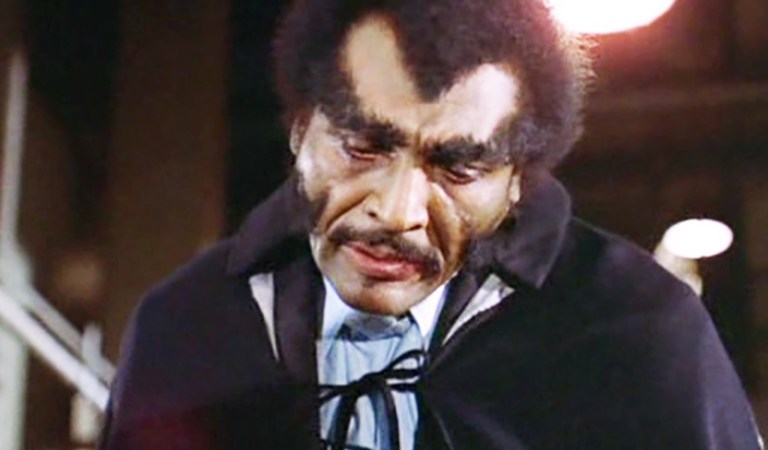
- Blacula (1972): A groundbreaking release featuring Prince Mamuwalde, an African prince cursed with vampirism. As a result, this smash hit became an undeniable pioneer in Black horror history.
- Scream, Blacula, Scream (1973): This lively sequel continued the vampire saga with extra camp, fun scares, and legendary performances by William Marshall and Pam Grier.
- Ganja & Hess (1973): An artistic, avant-garde masterpiece about an anthropologist who turns into a vampire. Therefore, it dives deep into rich themes of addiction, assimilation, and African spirituality.
- Sugar Hill (1974): A supernatural revenge thrill-ride starring Marki Bey. In this film, a fierce woman summons a voodoo army of zombies to take down the mobsters who murdered her boyfriend.
- Abby (1974): Often celebrated as the soulful companion to The Exorcist. Carol Speed delivers a mesmerizing performance as a woman possessed by an ancient West African demon.
- Blackenstein (1973): A campy sci-fi horror twist where a wounded soldier transforms into a tragic, reanimated creature through experimental limb transplants.
Beyond the Golden Era
The energy of Black horror continued to expand long after the 1970s. For instance, The Slayer (1982) brought valuable early Black representation to the surging slasher subgenre. Later, A Rage in Harlem (1991) delivered dark crime drama with sharp gothic undertones.
More recently, international gems like The Burial of Kojo (2018) from Ghana showcase how supernatural storytelling thrives on a global canvas. Ultimately, these trailblazing films proved that Black horror is never a passing trend. Instead, it remains an essential pillar of cinema history. Wishing you a spooky, soulful, and fun Halloween!
#BlackHorror #Blaxploitation #HorrorMovies #AfricanAmericanCinema #RepresentationMatters #HorrorGenre #CultClassics #BlackExploitation #1970sHorror #FilmHistory