

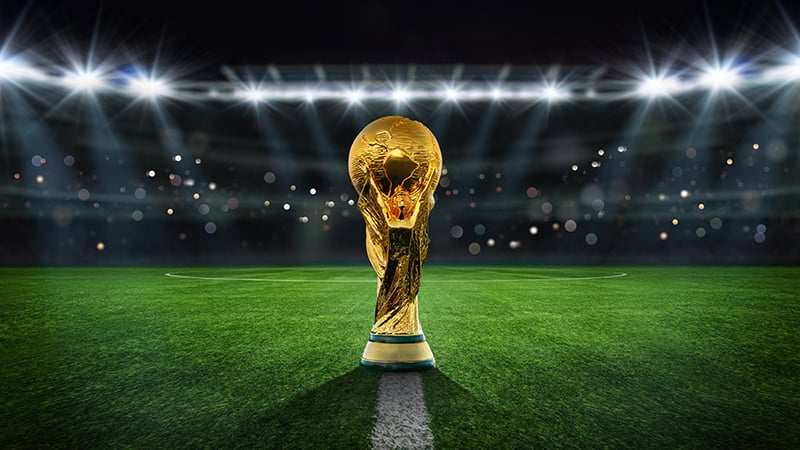
The 2026 FIFA World Cup will be a landmark event in sports history, as it breaks new ground not just with its scale but also with its unique collaborations. Hosted jointly by Canada, Mexico, and the United States, this tournament will unify nations and set a precedent for future global games.
Here’s an in-depth look at what makes the 2026 World Cup truly extraordinary:
Key Dates and Format
Mark your calendars! The tournament will run from June 11 to July 19, 2026. Over this five-week period, soccer fans from around the globe will witness a record-breaking competition like never before.
One of the most significant changes to the 2026 World Cup is its expanded format. This edition will feature 48 teams for the first time, bringing increased opportunities for nations to participate and showcase their talent on the global stage. With 104 matches planned (a steep increase from the 64 games in previous tournaments), this World Cup aims to serve up more action and excitement than ever.
Hosting Nations
For the first time in FIFA World Cup history, it will be hosted by three countries. Canada, Mexico, and the United States will share hosting duties, underscoring themes of collaboration and unity. Here’s a breakdown of the historic significance:
- Canada will provide fresh exposure to the world of soccer, continuing to grow the game in the region.
- Mexico will become the first country to host three FIFA World Cups, following their turns in 1970 and 1986.
- The United States will bring its huge infrastructure and passion for large-scale events, ensuring a spectacular show for millions.
Games will take place in 16 host cities across these three countries, showcasing diverse cultures and iconic stadiums.
Expanded Format
The expanded tournament format of 48 teams makes 2026 a standout edition of the World Cup. Teams will be divided into 12 groups of four, where each group’s top two teams along with the eight best third-placed teams will advance to the knockout stage. This setup guarantees plenty of dramatic moments as teams fight to qualify for a spot in the single-elimination rounds.
For fans, this expanded format means more nations to root for and more games to enjoy, offering an even richer viewing experience.
Final Match and Stadiums
The grand finale will take place at the iconic MetLife Stadium, located in East Rutherford, New Jersey. Known for hosting major events, this stadium is expected to deliver a spectacular closing ceremony and an unforgettable final match that football fans worldwide will remember for years to come.
Across all 16 host cities in the three countries, venues will represent a mix of historical richness and state-of-the-art facilities, providing outstanding settings for this historic tournament.
Qualifying and Knockout Stages
The road to the 2026 FIFA World Cup starts in the six FIFA continental zones, where teams will compete in qualifying tournaments to book their tickets to this grand event. Come 2026, the tournament will transition from gripping group stage battles to dramatic knockout rounds, culminating in one team being crowned the ultimate champion.
What to Expect
The 2026 FIFA World Cup promises to be much more than just a sporting event. With its expanded format, historic multi-nation collaboration, and world-class venues, it is shaping up to be a celebration of soccer’s global appeal. Fans can look forward to a summer filled with unforgettable moments, thrilling games, and stories that will inspire generations.
Get ready for what could possibly be the most exciting FIFA World Cup yet! Soccer is more than a sport; in 2026, it becomes the ultimate bridge between cultures, uniting fans from all over the world.
#FIFA2026 #WorldCup2026 #SoccerHistory