

Learn how radiation therapy effectively treats prostate cancer using powerful energy beams, while understanding potential side effects on nearby healthy tissues and how to manage them.
Written by Kelsey Stalvey, Pharm.D. Medically reviewed by Leonora Valdez-Rojas, M.D.
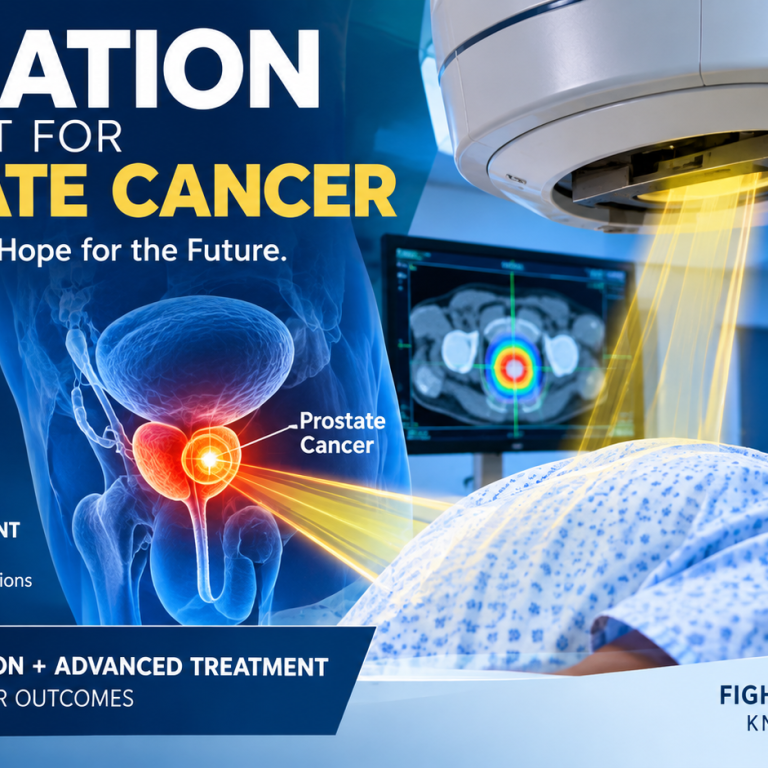
Radiation therapy is one of the most common and effective treatments for prostate cancer. It uses powerful energy beams, such as X-rays or protons, to destroy cancer cells and stop them from growing or spreading. For many people living with prostate cancer, radiation therapy can help control or potentially eliminate signs of disease, sometimes without the need for surgery.
However, because the prostate is located close to the bladder, rectum, and nerves involved in sexual function, radiation may also affect healthy tissues near the cancer. This can lead to a range of side effects, some mild and short-term, others more serious or longer lasting. Understanding what to expect can help you prepare for treatment and work with your care team to manage symptoms.
In this article, we’ll cover the most common side effects and complications of radiation therapy for prostate cancer, explain why they happen, and share tips to help you feel your best during and after treatment.
What Is Radiation Therapy for Prostate Cancer?
Radiation therapy works by damaging the DNA inside the cancer cells. When the DNA is damaged, these cells can’t divide or repair themselves, and your body removes them over time. There are two main types of radiation therapy for prostate cancer: external beam radiation therapy (EBRT) and brachytherapy.
External Beam Radiation Therapy
With EBRT, a large machine outside your body aims beams of radiation directly at your prostate. Treatments are painless and usually last only a few minutes. Most people have treatments five days a week for several weeks, which gives healthy tissues time to recover between sessions.
Brachytherapy
In brachytherapy, small radioactive seeds are placed inside the prostate. These seeds give off radiation slowly over time, delivering a focused dose directly to the prostate while limiting exposure to nearby organs, such as the bladder and rectum.
In some cases, both types of radiation therapy are used together or combined with hormone therapy to improve results. You may be offered radiation therapy if:
- Your prostate cancer is localized (still within the gland).
- Your cancer has grown just outside the prostate gland into nearby tissue.
- Cancer has recurred (come back) after surgery.
Possible Side Effects and Complications of Radiation Therapy
While radiation therapy can be an effective part of prostate cancer treatment, it — like any cancer therapy — can cause side effects. These can vary from person to person, depending on factors like:
- The type of radiation
- Your overall health
- Other treatments you may be receiving
Below are some of the possible side effects, along with tips for managing them. It’s important to talk with your oncologist or care team about any symptoms you experience, as they can help you find the best ways to manage side effects and maintain your quality of life.
1. Urinary Problems
Radiation can irritate the bladder and urethra (the tube that carries urine out of the body). This irritation, called radiation cystitis, is one of the most common side effects of treatment for prostate cancer. You may notice:
- A need to urinate more often, especially at night
- A sudden urge to pee
- Discomfort or burning when urinating
- Difficulty starting or stopping your urine stream
These symptoms often begin during treatment but can sometimes develop months or even years later. For some people, symptoms improve on their own after treatment ends. Others may need medications or additional support to help manage these side effects.
Tips To Manage Urinary Problems
- Practicing Kegel (pelvic floor) exercises may help you control urine flow.
- Wearing pads or absorbent underwear liners can help with leakage.
- Some people use penile clamps to prevent leakage during activities or special events.
- Talk to your doctor about medications and other options to manage urinary symptoms. Be aware that these treatments can have side effects of their own.
Urinary side effects are slightly more common with EBRT than with brachytherapy, but both types of treatment cause them. Symptoms from brachytherapy are often more noticeable at first, but may improve over time.
2. Bowel Changes
Because the prostate is close to the rectum, radiation therapy can sometimes irritate the bowels, a condition called radiation proctitis. You might notice:
- Diarrhea or loose stools
- More frequent or urgent bowel movements
- Mild rectal pain or burning
- Blood or mucus in your stool
These symptoms usually appear near the end of treatment and often improve within a few months. In some people, bowel irritation may last longer but often can be managed with diet changes or medication.