

Overview: The Federal Communications Commission authorized SpaceX orbital data centers, allowing up to 1 million solar-powered satellites to launch for artificial intelligence computing. Meanwhile, Nvidia unanimously reinstated CEO Jensen Huang after national security talks, and incoming congressional lawmakers are preparing to challenge existing trade tariffs following recent midterm election shifts.
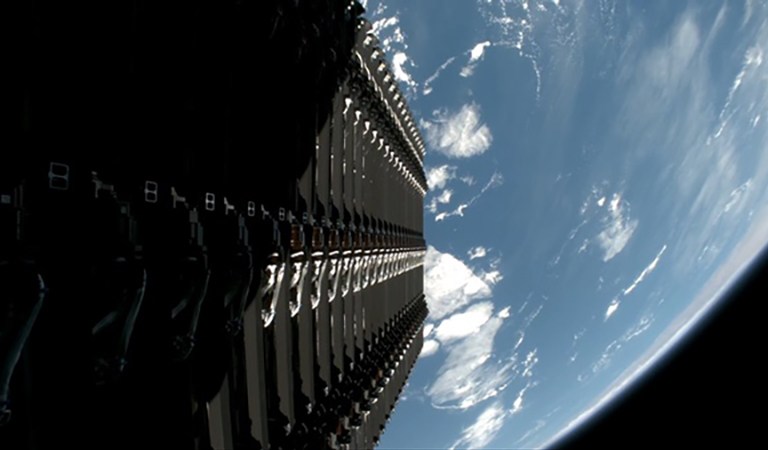
The FCC clears a million-satellite AI cloud while Nvidia reinstates Jensen Huang and Congress braces for a trade fight.
SpaceX Orbital Data Centers Approved Amid Nvidia Shifts and Tariff Battles
SpaceX Builds Cloud Infrastructure in Orbit
SpaceX orbital data centers moved from concept to reality after the FCC approved the massive “Starmind” satellite constellation. The project aims to deploy up to 1 million solar-powered satellites to process heavy artificial intelligence workloads above Earth.
Scientists have raised sharp skepticism regarding orbital crowding and environmental impacts. Still, the approval signals a bold push to bypass terrestrial power grid limits for AI expansion. Learn more about space commercialization at thenarrativematters.com.
Nvidia Leadership and Post-Midterm Tariffs
Back on Earth, Nvidia’s board unanimously reinstated Jensen Huang as President, CEO, and board director. The move followed high-level discussions with senior U.S. government officials focused on semiconductor supply chains and national security.
At the same time, Capitol Hill is bracing for policy changes. Following midterm victories like Democrat Mary Peltola’s Senate win in Alaska, lawmakers are rethinking trade duties and preparing to blunt several of President Trump’s tariffs. Track legislative updates at Congress.gov.
Summary
Orbital computing, executive stability at Nvidia, and shifting trade coalitions define the new tech and policy landscape. Companies relying on global supply chains and AI infrastructure must prepare for regulatory and legislative turbulence.
Sources for more information:
https://www.fcc.gov/news-events
https://www.npr.org/sections/politics
https://www.nbcnews.com/business
#SpaceX #Nvidia #TechPolicy