
Overview: Cross-border global energy infrastructure expanded significantly following Aliko Dangote’s $660 million funding package for a petroleum pipeline between Djibouti and Ethiopia. Concurrently, Iranian President Masoud Pezeshkian pitched a seven-day Strait of Hormuz de-escalation plan, while Swiss citizens prepared to vote on strict neutrality measures.
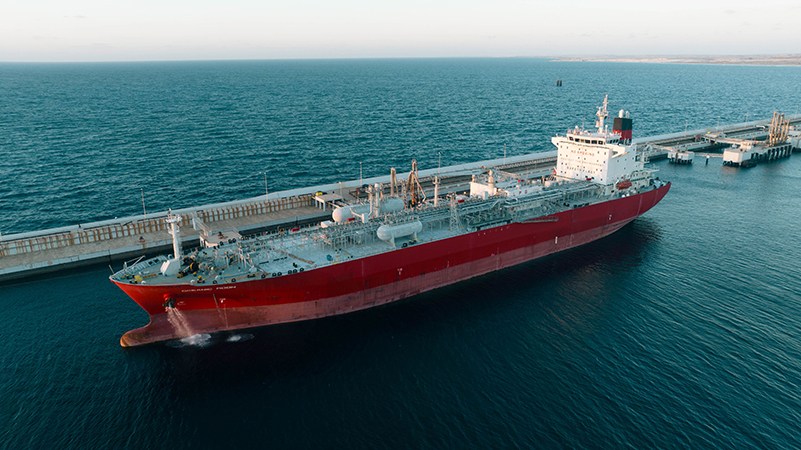
Africa establishes a critical refined fuel artery as Iranian officials propose a naval truce and Swiss voters review neutrality.
Global Energy Infrastructure Realigns Amid Shifting Alliances
Global energy infrastructure is undergoing rapid structural realignments across key regional hubs. Industrialist Aliko Dangote committed $660 million toward a modern refined petroleum pipeline connecting coastal Djibouti directly into landlocked Ethiopia. The ambitious infrastructure play establishes a durable commercial artery that circumvents existing geopolitical chokepoints across the Horn of Africa.
Diplomatic Gambits and Strategic Trade Corridors
The African pipeline milestone contrasts sharply with acute security challenges across the Middle East. At the United Nations General Assembly, Iranian President Masoud Pezeshkian pitched a seven-day de-escalation framework. The proposal offers to reopen commercial access through the Strait of Hormuz and restart nuclear consultations in exchange for lifting strategic blockades.
Meanwhile, western powers are holding firm lines against regional disruptions. British Foreign Secretary Ed Miliband issued formal warnings against foreign covert operations on domestic soil. At the same time, Swiss voters head to the ballot box to determine the future boundaries of their century-old neutrality statutes amid expanding continental pressures.
Critical Geopolitical Developments
Aliko Dangote finalized $660 million in private capital to construct the 550-kilometer cross-border energy pipeline.
Pezeshkian floated a temporary seven-day pause to reduce regional naval risks around the Strait of Hormuz.
British diplomatic officials demanded an immediate end to hostile activity directed toward diaspora communities in the United Kingdom.
Swiss legislative referendums test whether non-alignment laws should adapt to modern European defense realities.
Investing in global energy infrastructure provides long-term stability against unpredictable regional politics. By financing physical fuel supply lines and reinforcing energy corridors, regional powers build insulation against maritime disputes, diplomatic stalemates, and unpredictable global trade dynamics.
#GlobalEnergy #AfricanInfrastructure #Geopolitics