
Overview: Dr. Michael Hankins, Dr. André Fuqua, and Dr. Kaysi M. Lee represent a rising vanguard of Black excellence in STEM, turning personal trials and early curiosity into ground-breaking work in education, infrastructure, and medicine. Their individual paths reveal a shared truth: raw talent needs community. Through the support and brotherhood of the National Society of Black Engineers (NSBE), all three transformed feelings of academic isolation into career-defining momentum, demonstrating that lasting innovation in engineering and biotechnology begins with intentional mentorship and genuine belonging.
From Overcoming Academic Isolation to Designing Targeted Medicines: How Mentorship, Community, and NSBE Are Powering the Next Generation of Black Leaders in Science and Engineering
From overcoming isolation to pursuing scientific breakthroughs, Dr. Michael Hankins, Dr. André Fuqua, and Dr. Kaysi M. Lee represent a new generation of Black excellence in engineering and science. Their stories showcase the power of education, mentorship, and belonging in cultivating STEM leadership.
For some, the journey into engineering begins with a fascination for how things work. For others, it emerges from a desire to solve problems, improve lives, or overcome barriers that once seemed impossible.
For Dr. Michael Hankins, Dr. André Fuqua, and Dr. Kaysi M. Lee, the paths into engineering and scientific research are as different as their personal experiences. Yet their stories share a common thread: curiosity, determination, and a commitment to using knowledge to create opportunities and make a difference.
Their journeys also reflect the vital importance of representation, mentorship, and organizations such as the National Society of Black Engineers (NSBE). These networks help Black students navigate academic challenges, build professional connections, and envision futures that may have once seemed beyond their reach.
Dr. Michael Hankins: Building a Foundation of Belonging

For Dr. Michael Hankins, pursuing an engineering education at a predominantly white institution presented challenges that extended beyond demanding coursework and academic expectations.
There was also the weight of isolation: the feeling of being in an environment where relatively few students shared his background or lived experiences.
That changed when he discovered the National Society of Black Engineers. What began as an opportunity to connect with other Black engineering students quickly became an invaluable network of academic support, friendship, and encouragement.
“The other NSBE students were sharing test banks and other materials… so I could feel as confidently prepared as everyone else,” Hankins recalls.
Those shared resources represented something much larger than study aids for exams. They helped establish a sense of community in an academic setting where students could otherwise feel disconnected. Through NSBE, Hankins discovered that academic success did not have to be an individual struggle; students could support one another, share information, and collectively overcome institutional obstacles.
Today, as an educator, Hankins brings that perspective directly to his work. He recognizes that developing future engineers requires more than teaching technical concepts. It demands environments where students feel supported, valued, and confident in their ability to succeed.
Talent may open the door to opportunity, but mentorship, access, and belonging allow students to walk through it.
Dr. André Fuqua: From the Gateway Arch to Engineering Ambition
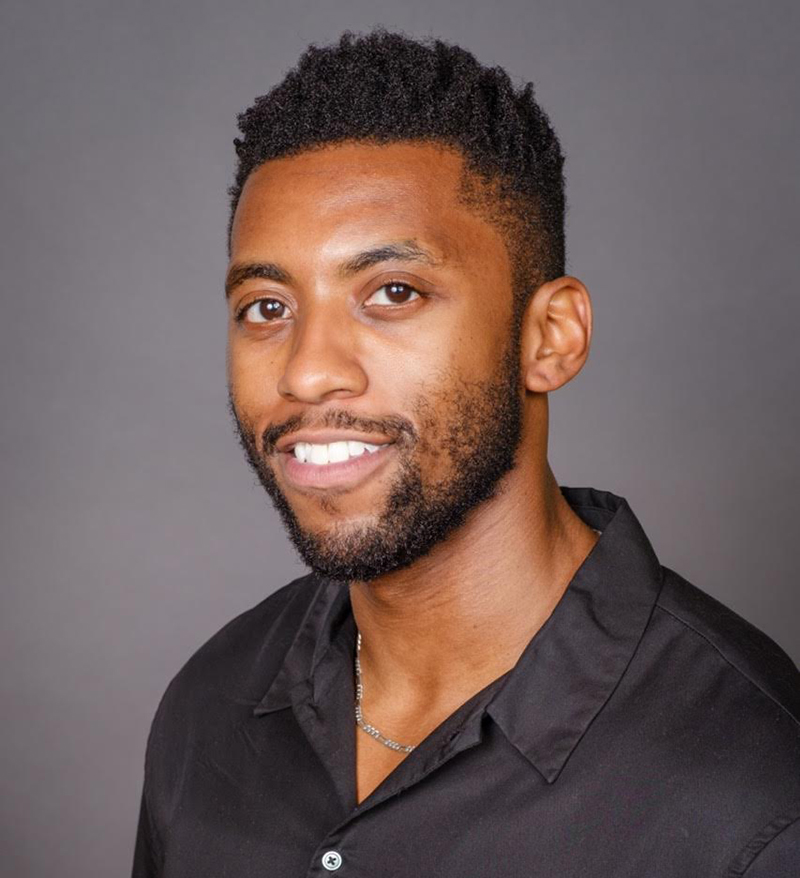
Long before André Fuqua became a doctoral candidate in civil engineering, a childhood visit to one of St. Louis’ most recognizable landmarks helped shape his future.
Inside the Gateway Arch, Fuqua was captivated not only by the monument’s towering presence but also by the technical ingenuity required to build it.
“I remember standing in the lobby… captivated by the photos and videos showing massive machines lifting steel sections high into the air,” he recalls.
The experience sparked a question that would define his academic and professional journey: “How does something like this even get built?”
For a youngster already fascinated by roller coasters and Legos, the Arch represented the ultimate engineering challenge. It was a massive structure that demonstrated how imagination, mathematics, design, and construction could unite to create something extraordinary.
That early curiosity developed into a passion for civil engineering. While the Arch provided initial inspiration, Fuqua credits NSBE with helping him turn those ambitions into tangible career opportunities.
Through NSBE, Fuqua secured nearly every internship opportunity of his academic career, as well as his current professional role. His journey demonstrates how early exposure to science and engineering can inspire lifelong ambitions when paired with structured professional pipelines.
Dr. Kaysi M. Lee: Turning Personal Experience into Scientific Purpose
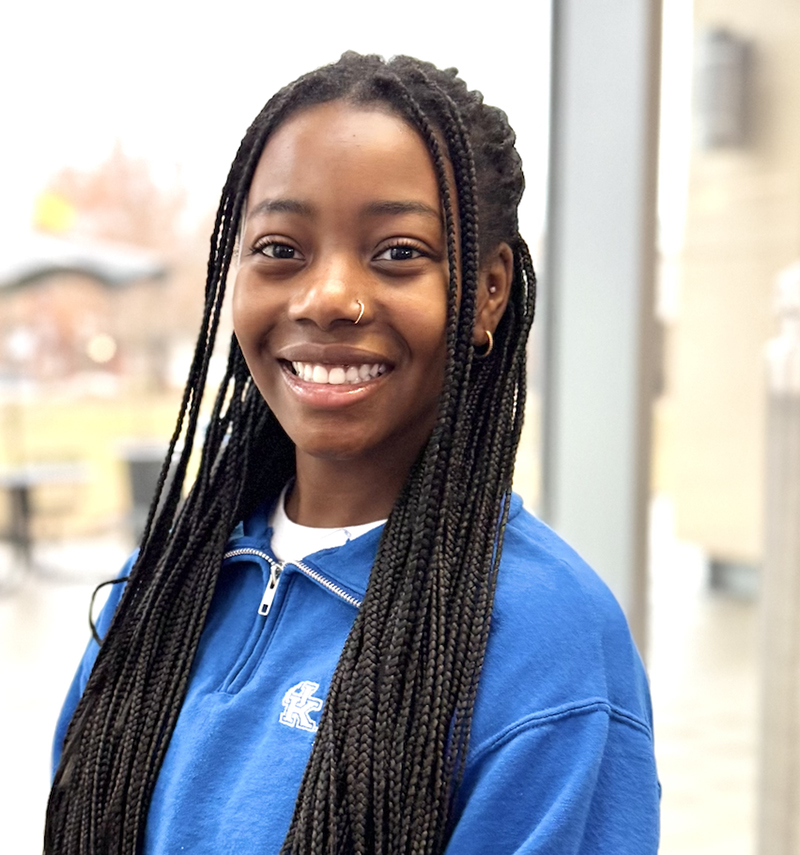
For Kaysi M. Lee, the inspiration to pursue pharmaceutical science did not stem from buildings or machines. It began at her grandmother’s bedside.
As a child, Lee watched her grandmother receive treatment for multiple health conditions. While the medications were intended to improve her health, Lee also witnessed the physical toll caused by unwanted side effects.
“I watched my grandmother get treated for her comorbidities, and then I would watch her fall ill due to the off-target effects,” Lee recalls.
The experience left her with a question that was both direct and profound: “Why don’t they just make better medicines?”
Years later, that childhood question drives her scientific research. Lee focuses on developing a novel lipid platform for targeted drug delivery. This field of pharmaceutical science explores how medicines can be transported directly to diseased tissues without harming healthy cells.
By improving target accuracy, this research aims to increase therapeutic effectiveness while minimizing off-target toxicity. Her work exemplifies how personal family experiences can inspire laboratory breakthroughs that elevate the standard of patient care.
More Than Degrees: The Power Of Representation And Opportunity
Although their paths into engineering and scientific research differ, Hankins, Fuqua and Lee represent a broader story about expanding opportunity in fields where Black professionals have historically been underrepresented.
Their experiences illustrate three important dimensions of that journey.
For Hankins, the challenge was finding community and academic support in an unfamiliar environment.
For Fuqua, it was transforming childhood curiosity into educational and professional opportunities.
For Lee, it was channeling a deeply personal family experience into research that could ultimately benefit patients.
Each story demonstrates that the development of future scientists and engineers involves more than classroom instruction and technical expertise.
It requires inspiration, encouragement, access to resources and opportunities to apply knowledge in meaningful ways.
Organizations such as NSBE play an important role in that process by helping students build professional networks, strengthen leadership skills and connect with individuals who understand their experiences.
For Black students pursuing careers in engineering and related scientific disciplines, those relationships can make the difference between feeling isolated and feeling empowered.
Frequently Asked Questions
What role does NSBE play in supporting Black engineers?
The National Society of Black Engineers (NSBE) provides academic resources, leadership training, peer mentorship, and direct recruitment pipelines. It addresses both the academic rigor of STEM programs and the isolation underrepresented students frequently experience.
Why is targeted drug delivery important in pharmaceutical research?
Targeted drug delivery, such as the lipid platforms researched by Dr. Kaysi M. Lee, directs therapeutic compounds specifically to diseased cells. This approach maximizes treatment potency while significantly reducing the harmful side effects associated with conventional systemic medications.
How does early exposure impact STEM career choices?
Early exposure to engineering feats, hands-on construction toys, and community science programs helps young students contextualize abstract math and science concepts, transforming passive curiosity into sustained career goals.
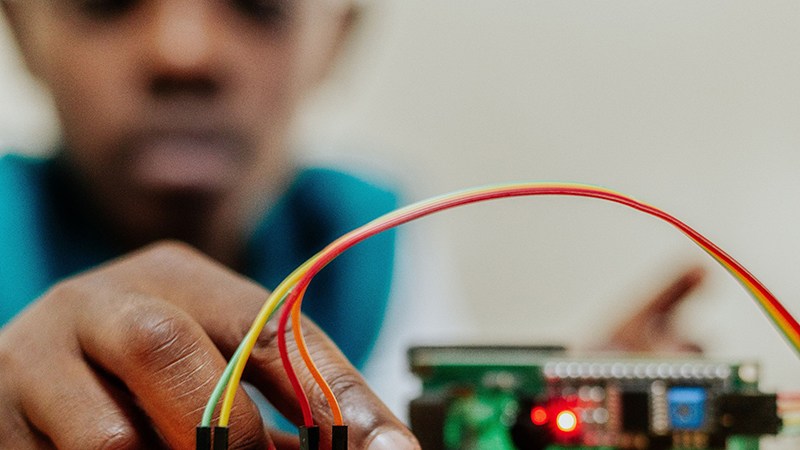
The Midwest Institute for STEM Research is a St. Louis-based organization bridging the gap in STEM education for underrepresented youth. Formed following the federal government’s reduction in DEI funding, the institute acts as an overseer and funding engine for the local National Society of Black Engineers (NSBE) Jr. chapter.
By serving K–12 students through monthly hands-on engineering workshops at St. Louis Community College–Florissant Valley, early mentorship, and cutting-edge artificial intelligence integration, the institute has empowered hundreds of local graduates to complete engineering degrees and pursue advanced technical careers.
#BlackInSTEM #NSBE #BlackExcellence