
Overview: Target is facing heavy consumer backlash after pulling an offensive children’s clown costume reminiscent of blackface imagery. The blunder highlights a major operational vulnerability: rolling back corporate diversity and review initiatives removes vital guardrails, leading directly to costly brand missteps and alienated core shoppers.
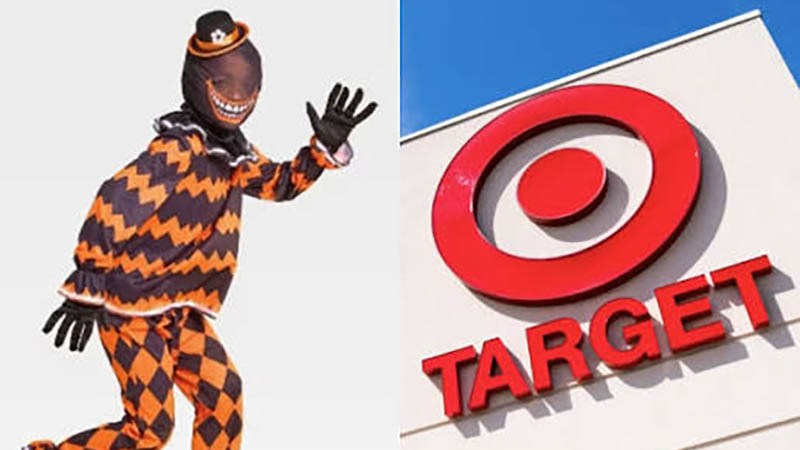
How dismantling cultural oversight turned a merchandising blind spot into a costly brand crisis.
Target’s latest controversy goes much deeper than a single offensive Halloween costume.
The retail giant recently pulled a children’s “Glows Under Blacklight Circus Clown” outfit from its shelves, apologizing after shoppers pointed out that the design clearly echoed blackface and minstrel-show imagery. Target acknowledged the harm, called the product offensive, and stated it should never have been sold.
That swift apology was necessary, but it immediately raises a harder operational question: how did this item clear Target’s review and merchandising pipeline in the first place?
The Cost of Dismantling Cultural Guardrails
A few years ago, an oversight like this would have seemed unlikely. Following 2020, Target positioned itself at the forefront of corporate inclusion. The Minneapolis retailer committed $2 billion to Black-owned businesses, poured capital into local communities, and added hundreds of Black-owned brands to its shelves. Those were real investments with tangible business upside, broadening Target’s appeal to an increasingly diverse, culturally aware customer base.
Then the political climate shifted.
In early 2025, facing external political pressure and anti-DEI scrutiny, Target began rolling back its public diversity targets. The company ended its Racial Equity Action and Change initiative, rebranded its Supplier Diversity program to “Supplier Engagement,” and quietly stepped away from key inclusion commitments.
Target is free to adjust its corporate strategy. But when an organization strips away internal oversight teams and diverse review panels, blind spots return. You cannot remove the cultural check-and-balance systems and expect quality control to stay sharp.
Cultural Intelligence Is a Revenue Strategy
BBlack consumers are not a passive target demographic. They are high-value shoppers, entrepreneurs, team members, and cultural trendsetters with massive spending power. When Target walked back its public commitments, those shoppers noticed.
Boycott campaigns formed throughout 2025 and stretched into 2026. The clown costume did not happen in a vacuum; it landed directly on top of existing customer frustration.
When consumers feel ignored, they vote with their wallets. What looks like a bad PR moment is actually a merchandising failure rooted in a corporate strategy shift.
Where Target Goes From Here
Pulling inventory and issuing a statement stops the immediate bleeding, but it does not fix the root cause. Rebuilding authentic loyalty requires concrete business action:
- Rebuild internal product review teams: Ensure merchandising decisions pass through people who understand cultural context and nuance before products hit the supply chain.
- Tie inclusion directly to market growth: Treat cultural fluency as an essential risk-management tool, not a public relations exercise that gets dropped when the political climate gets tense.
- Re-engage key consumer groups with real value: Deliver products, partnerships, and supplier opportunities that prove respect for the community’s business.
Trust is easy to lose and expensive to buy back. If Target wants to protect its market share, leadership needs to realize that cultural competency is not a political statement. It is core business hygiene.
#Target #CorporateStrategy #RetailNews