
From the Classroom to the College Campus
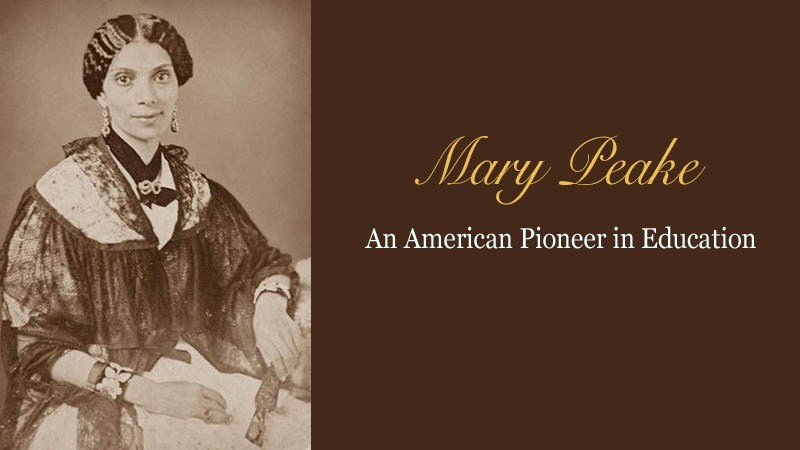
Overview: Mary Smith Kelsey Peake was a pioneering African American educator who defied anti-literacy laws in Virginia by teaching children and adults secretly from her home, and later openly under Hampton’s historic Emancipation Oak. Her open-air classroom served newly freed families during the Civil War and laid the foundational cornerstone for what became Hampton University.
From Secret Classrooms to the Birth of Hampton University
Every fall, millions of students walk into classrooms across the United States. We talk constantly about curriculum, funding, and modern workforce readiness. Yet we rarely stop to examine the innovators who built the pipeline of American learning from the ground up, often against impossible odds.
Mary Smith Kelsey Peake (1823–1862) stands out as one of the most effective pioneers in that story. Her work laid the groundwork for Black education in Hampton, Virginia, and sparked the lineage that built Hampton University.
Courage as a Business Model: The Secret Classroom
Born free in Norfolk, Virginia, in 1823, Peake was sent to Alexandria at age six to attend a school for African American children. She gained fluency in reading, writing, mathematics, and practical trade skills. She returned to Norfolk in 1839 and moved with her family to Hampton in 1847.
Peake understood early that literacy is the baseline for autonomy. In the wake of the 1831 Nat Turner rebellion, Virginia passed severe laws prohibiting the education of all Black people, whether enslaved or free.
Peake ignored the mandate. Operating out of her Hampton home, she set up an underground school for children and adults. To her, education was not an abstract luxury. It was an essential tool for community independence and economic self-reliance. She backed that vision by founding the Daughters of Zion, an organization dedicated to mutual aid, public health, and social support.
Scaling Under the Emancipation Oak
The outbreak of the Civil War completely disrupted the region. Escaped men, women, and children flocked to Union-held Fort Monroe seeking safety. They needed immediate relief, shelter, and schooling.
In September 1861, the American Missionary Association hired Peake as its first African American teacher.
- The Classroom: Lacking a physical building, she gathered students outdoors beneath the wide branches of a live oak tree.
- The Scale: Her morning roster grew rapidly from a few children to more than fifty pupils.
- The Scope: At night, she taught shifts of twenty adults hungry for basic literacy.
- The Curriculum: Reading, math, writing, and biblical studies replaced generations of forced ignorance.
That open-air classroom became the site where the Emancipation Proclamation was read to the local community in 1863. Today, the world knows that landmark as the Emancipation Oak.
The Blueprint for Higher Education
Peake died of tuberculosis on February 22, 1862, at age 38. She did not live to see the formal institutions her labor inspired, but her grassroots school created the blueprint.
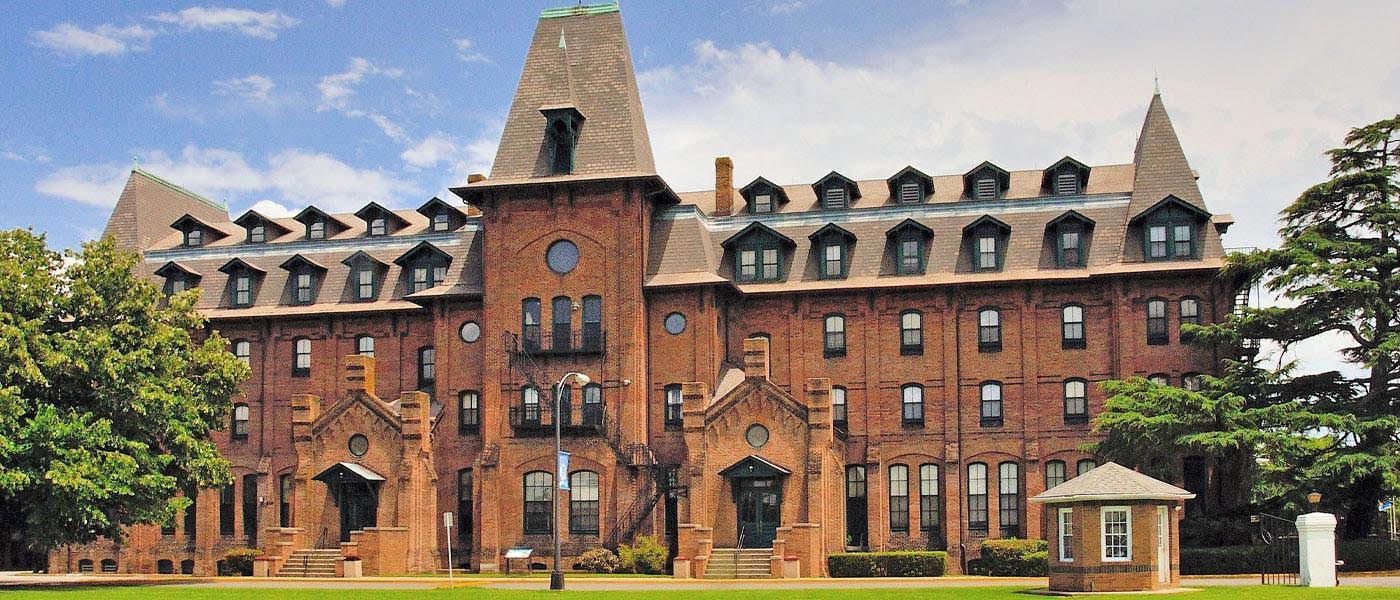
In 1868, General Samuel Chapman Armstrong founded the Hampton Normal and Agricultural Institute on that exact ground. That small institute grew into modern-day Hampton University.
The institutional progression followed a clear path:
- Foundational literacy in Mary Peake’s outdoor classroom
- Primary community education
- Structured teacher training institutes
- Fully accredited, world-class higher education
Higher education does not begin at freshman orientation. It starts with the first person who teaches a child how to sound out letters or shows an adult how to sign their name. Peake proved that you do not need an endowed hall to start an educational movement. You only need the resolve to teach, a practical purpose, and a place to gather.
References
- American Battlefield Trust. (n.d.). Mary Peake.
- Hampton University. (n.d.). Founders Day Celebration: Under a Simple Oak Tree.
- Hampton University Museum. (n.d.). Hampton Historic Vignettes.
- Lockwood, L. C. (1862). Mary S. Peake, the Colored Teacher at Fortress Monroe. Project Gutenberg.
- National Park Service. (n.d.). Mary Smith Peake. U.S. Department of the Interior.
- Library of Virginia. (n.d.). Dictionary of Virginia Biography: Mary Smith Kelsey Peake (1823–1862).
#BlackHistory #MaryPeake #HamptonUniversity