
Overview: Black organ transplant recipients face steep survival odds caused by a stark gap between demand and donor availability. African Americans represent nearly 29 percent of candidates waiting for an organ, but only 12.5 percent of donors. Because compatible tissue markers and blood types occur most frequently within the same genetic ancestry, this lack of donor diversity leads to extended wait times and higher mortality. Survivors Oliver Kellman and Leiauna Anderson beat these odds through emergency multi-organ donations, highlighting how increasing minority donor registration directly saves lives across communities facing high rates of chronic disease.
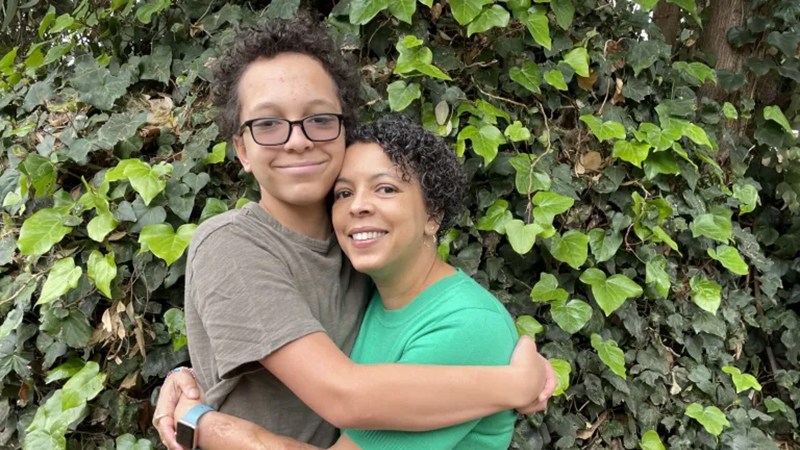
Inside the donor gap, biological matching challenges, and two remarkable stories of survival against steep odds.
Key Takeaways
- The Equity Gap: Black Americans make up nearly 29 percent of those waiting for an organ transplant, yet represent only 12.5 percent of donors.
- Biological Compatibility: Finding compatible blood groups and tissue markers is often easiest within the same ancestral background, making minority donor registration vital.
- Oliver Kellman’s Story: After sudden heart and kidney failure during the pandemic, Kellman survived a month-long induced coma before receiving two matching organs.
- Leiauna Anderson’s Resilience: Following pregnancy complications that triggered liver failure, Anderson endured two consecutive liver transplants and later gave birth to a healthy son.
- Surviving Against Steep Odds
In May 2020, during the height of the coronavirus pandemic, attorney and lobbyist Oliver Kellman arrived at a hospital expecting he might need dialysis. Instead, physicians delivered a dire diagnosis: his heart and kidneys were failing simultaneously. Without a heart transplant within two to three weeks, doctors warned he would not survive.
For Kellman, a 6-foot-4 Black man, finding compatible donor organs presented an immense challenge. In the United States, the number of African Americans in urgent need of transplants far outpaces the number of available Black donors.
ORGAN TRANSPLANT DISPARITY (U.S. DATA)
┌────────────────────────────────────────────────────────┐
│ Candidates Waiting: 28.7% Black/African American │
├────────────────────────────────────────────────────────┤
│ Deceased Donors: 12.5% Black/African American │
├────────────────────────────────────────────────────────┤
│ Transplants Done: 25.8% of Black Candidates │
│ vs. 47.6% of White Candidates │
└────────────────────────────────────────────────────────┘
According to the Office of Minority Health at the U.S. Department of Health and Human Services, Black candidates comprise nearly 29 percent of the national transplant waiting list, yet account for only 12.5 percent of organ donors. While nearly 48 percent of white candidates on waiting lists received transplants in 2019, only about 26 percent of Black candidates received one.
Why the Disparity Exists
The shortfall in donor matches intersects with systemic health disparities and biological factors.
“The main issue is that African Americans tend to have more diseases that degenerate into organ failure, especially kidney failure. There’s a lot of diabetes, a lot of liver disease, a lot of heart disease among African Americans that will turn into the great need for a lifesaving transplant. Currently, about 60 percent of the people waiting for a lifesaving transplant are people of color.”
Tania Llavaneras, OneLegacy
Black, Hispanic, and Indigenous communities face elevated rates of high blood pressure, diabetes, and heart conditions, each of which compounds the risk of kidney and organ failure. Gaps in healthcare access also contribute to delayed diagnoses.
Kellman experienced this reality firsthand. Years prior to his hospitalization, doctors had noted he had an enlarged heart, likely caused by untreated hypertension. High blood pressure ran throughout his family, though it had gone largely unmanaged.
The Critical Role of Diverse Donors
Organs are matched based on several criteria, including blood type, body size, medical urgency, and tissue compatibility.
For organs like kidneys, matching human leukocyte antigens (HLA tissue typing) is essential to reduce the risk of organ rejection. Because immune markers and blood groupings are inherited, patients frequently have a much higher likelihood of finding a close match within their own ethnic community.
When donor pools lack diversity, minority patients face longer wait times, worse health deterioration while waiting, and higher mortality rates before an organ ever becomes available.
Oliver Kellman: A Double Transplant Miracle
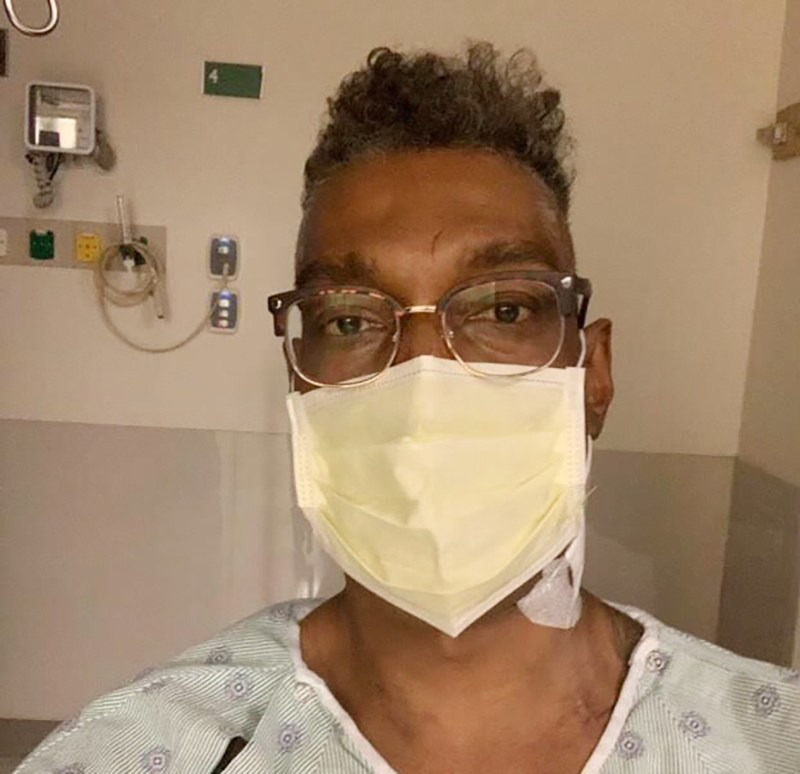
By June 2020, Kellman’s medical team placed him in an extended, medically induced coma to sustain his body while searching for matching organs.
A month later, doctors woke him with news that defied the odds. Matches had been secured for both a heart and a kidney, sourced from two separate deceased donors.
The surgeries were successful, granting Kellman a full second chance at life and leaving him with profound gratitude for the donors and their families who chose to register.
Leiauna Anderson: Overcoming Double Liver Failure
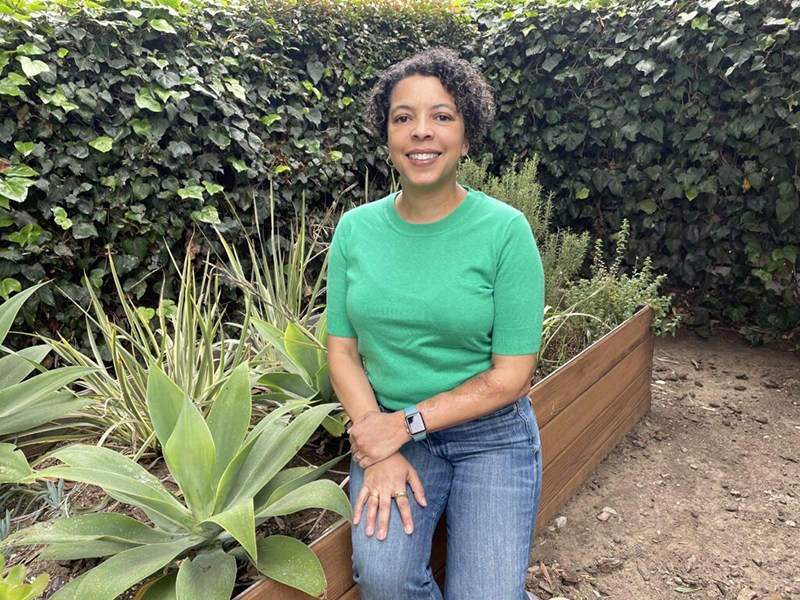
Leiauna Anderson’s path to transplantation began in 2005. In her seventh month of pregnancy, she suffered a miscarriage that triggered a cascade of severe medical complications.
Her liver enzymes surged into the thousands, far above the standard range of 20 to 50. When surgeons operated, they found her liver had ruptured and turned gangrenous. Without an immediate organ, she had days to live.
Anderson received an emergency liver transplant, but her body experienced acute rejection shortly thereafter. Doctors placed her back on the emergency list, and a second donor match arrived just in time.
Following her recovery, Anderson rebuilt her health, established a thriving career as a real estate agent, and accomplished what once seemed impossible: giving birth to a healthy son, Rex. Today, she regularly wears blue and green, the official colors of National Donate Life Month, to share her journey and encourage donation awareness.
How You Can Save Lives
More than 100,000 men, women, and children remain on the national transplant waiting list, and approximately 17 people die every day waiting for a donor. A single donor can save up to eight lives and restore health to dozens more through tissue and cornea donations.
Registering as an organ donor takes less than two minutes and ensures that more patients across all communities have the opportunity to beat the odds.
Frequently Asked Questions
Why are Black patients less likely to find an organ match?
Black Americans have a high need for transplants due to disproportionately high rates of hypertension, diabetes, and kidney disease. However, minority donor registration rates remain lower, reducing the availability of compatible blood types and genetic tissue markers.
Does organ donation require an exact racial match?
No. Organs are matched based on blood group, organ size, and immune compatibility rather than race alone. However, because tissue types and blood antigen frequencies are genetically linked to ancestry, a patient’s closest immunological match frequently comes from someone sharing a similar heritage.
How can I register to become an organ donor?
You can sign up online through Donate Life America or check the donor box when renewing your driver’s license at your state motor vehicle office.
#OrganDonation #HealthEquity #DonateLife