

Overview: The animated Cat in the Hat film reboots Dr. Seuss’s 1957 classic into a high-energy urban adventure featuring Bill Hader as an operative from a cheer-up agency called the I.I.I.I. While purists may miss the poetic, room-bound minimalism of the 1971 TV special, the new adaptation outperforms the polarizing 2003 live-action disaster by delivering heartfelt family themes, sharp comedic pacing, and rich visual world-building for modern audiences.

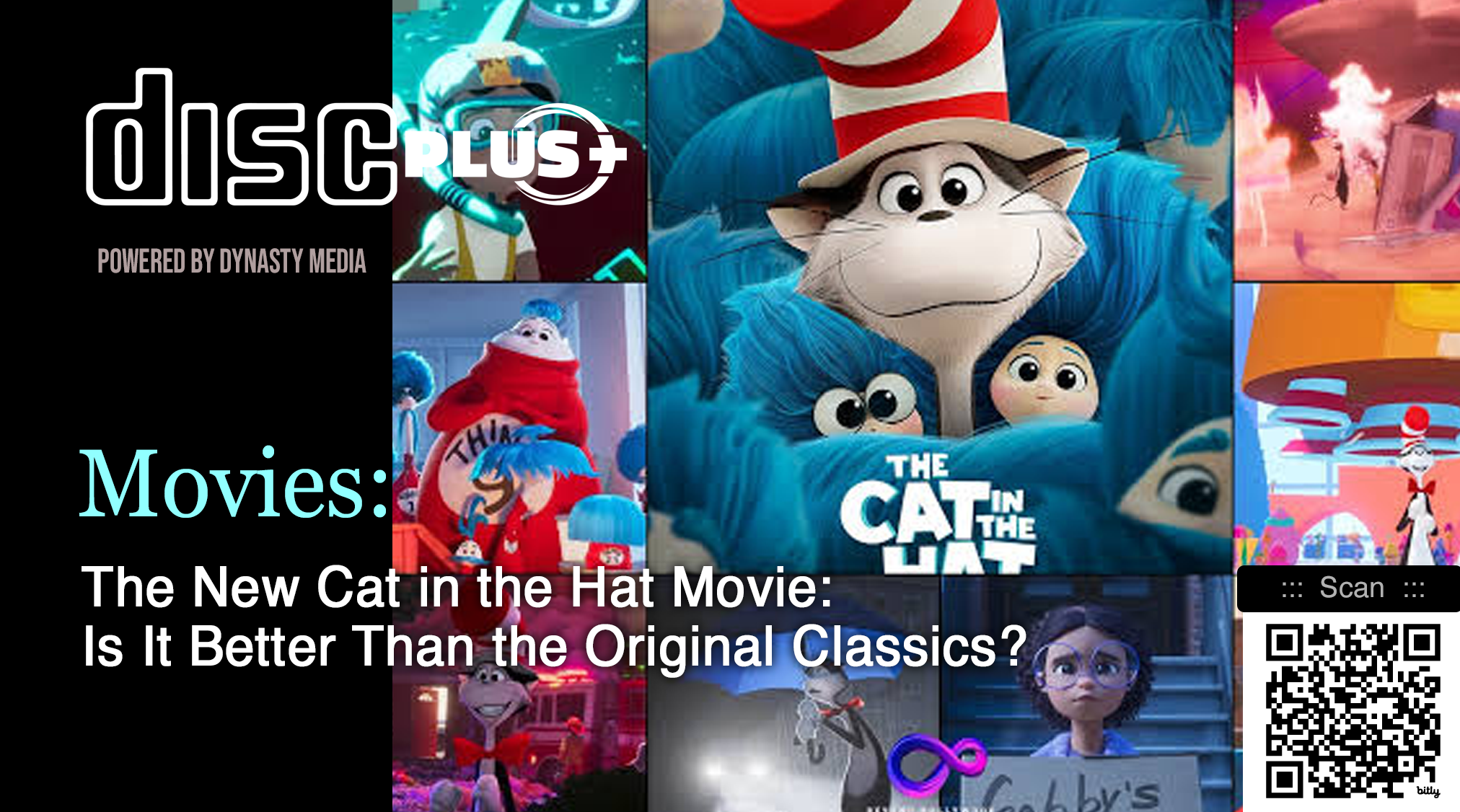
A fresh workplace mythology and time-bending gadgets modernize Dr. Seuss, trading living-room nostalgia for town-wide chaos.
The new animated Cat in the Hat film reboots Dr. Seuss’s timeless 1957 story by transforming the classic rainy-day setup into an expansive, modern fantasy adventure. Voiced by Bill Hader, the Cat is reimagined as an eccentric field agent working for a whimsical corporate agency known as the I.I.I.I., tasked with boosting the spirits of unhappy children.
While the new movie provides faster pacing, relatable emotional themes, and sleek 3D computer animation, it trades the quiet, poetic simplicity of earlier adaptations for high-stakes urban comedy.
What Is the New Animated Cat in the Hat Movie About?
The updated film moves far beyond the walls of a single suburban living room. Instead of Conrad and Sally staring out a rain-streaked window, the story centers on new sibling leads, Gabby and Sebastian, who are struggling to cope after their family relocates to a completely new city.
The Cat arrives not merely as an unruly, spontaneous visitor, but as an assigned operative from the I.I.I.I. on a mission to cheer them up. Rather than relying on simple household cleaning machines, this version introduces the Go-Backer, a magical gadget capable of rewinding time and undoing messy mistakes. When the Go-Backer goes missing, the Cat and the children must embark on a high-stakes rescue chase across the entire town. If the Cat fails to recover it, he faces the ultimate consequence: losing his iconic striped hat forever.
How Does the New Movie Compare to Past Adaptations?
Dr. Seuss fans have seen multiple iterations of this iconic character over the decades. Understanding where this reboot fits requires comparing how each era handled the story’s core mechanics:
- The 1957 Book and 1971 TV Special: The original book and its faithful 1971 animated counterpart restricted the action strictly indoors. Bored children faced the quiet temptation of breaking household rules on a rainy afternoon, backed by playful rhymes and jazz-infused musical tracks.
- The 2003 Live-Action Film: Starring Mike Myers, this version kept the indoor catastrophe framework but turned it into a surreal, live-action romp characterized by heavy prosthetics, chaotic slapstick, and adult innuendo.
- The 2010 PBS Kids Series: Voiced by Martin Short, The Cat in the Hat Knows a Lot About That! swapped indoor mischief for educational STEM field trips around the globe aboard the Thinga-ma-jigger.
- The New Animated Release: The modern film abandons both strict curriculum lessons and single-room confines. It delivers a fast-paced urban quest driven by emotional character arcs, family relocation struggles, and corporate satire.
Is the New Movie Better Than What We Grew Up On?
Whether the new film tops previous adaptations depends entirely on what viewers value most in a Dr. Seuss adaptation.
For older generations and purists, the original books and the 1971 special remain unmatched. The magic of those works lived in their poetic restraint, the rhythm of childhood boredom, and the thrill of hearing Mom’s footsteps on the porch just as the living room was restored. The new film’s sprawling fantasy agency and urban time-travel mechanics remove that intimate, relatable tension.
However, for modern family audiences and younger viewers, the animated reboot delivers clear improvements:
- A Stronger Emotional Core: Framing the story around siblings navigating a major family move gives the narrative emotional weight that resonates with modern kids.
- Sharp, Character-Driven Humor: Bill Hader brings neurotic charm and quick comedic timing to the role, balancing child-friendly antics with clever dialogue that keeps adults entertained.
- Redemption from Past Missteps: It completely wipes away the lingering memory of the polarizing 2003 live-action film, replacing garish live-action chaos with polished, expressive animation.
While it may not replace the timeless nostalgia of the original television special or the bedtime rhythm of the classic book, the new feature successfully modernizes the franchise into an energetic, character-rich adventure built for today’s screens.
Watching the animated antics and signature visual comedy in action provides a closer look at how the production team translated classic Seussian designs into modern 3D movement.
#CatInTheHat #DrSeuss #MovieReview