

Overview: The Arthritis Foundation is pivoting its outreach strategy away from downtown galas and high-profile fundraisers toward hyper-local, community-embedded interventions across Chicago, St. Louis, and Atlanta. Recognizing that Black Americans face disproportionate disparities in joint health—fueled by limited specialist access, systemic insurance barriers, and medical mistrust—the initiative meets residents where they congregate daily: faith institutions, community centers, and barbershops. In Chicago, efforts zero in on South and West side clinics and park districts; St. Louis deploys culturally tailored programs like the virtual African Americans Connect Group and Walk With Ease; and Atlanta harnesses its dual position as national foundation headquarters and a hub of Black civic infrastructure to build sustainable grassroots health advocacy.

How Grassroots Outreach in Chicago, St. Louis, and Atlanta Is Tackling Disparities in Black Joint Health
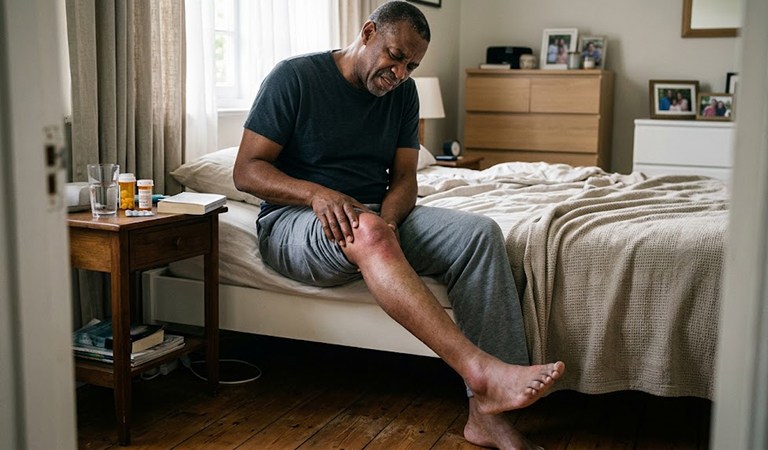
Arthritis dictates daily life. It decides whether someone can climb a flight of stairs, finish an eight-hour shift without throbbing pain, carry groceries, or make dinner for their family.
For millions of Americans, that stiffness and ache is constant. Yet in Black neighborhoods, that burden carries extra weight. Gaps in health insurance, lack of local specialists, and a legacy of medical mistrust mean serious conditions like osteoarthritis, rheumatoid arthritis, and gout often go unchecked or misdiagnosed.
The Arthritis Foundation already has momentum. Through support networks, advocacy, and major public walks, the footprint is there. The real growth opportunity is moving past citywide events and taking tools directly to where people live, pray, and socialize.
Meeting people where they already are is how public health actually works. It requires showing up in barbershops, church fellowship halls, recreation centers, and senior buildings.
Here is what that playbook looks like across Chicago, St. Louis, and Atlanta.
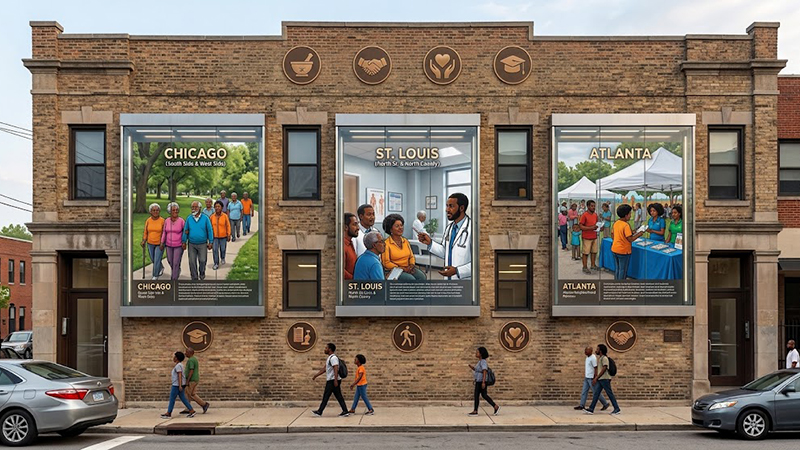
Chicago: Activating the South and West Sides
Chicago already has a strong engine. The local Live Yes! Connect Group runs active peer networks that teach self-advocacy and pain management. Major fundraisers like the Walk to Cure Arthritis and partnerships with the Chicago Marathon keep the mission front and center downtown.
Now, the focus needs to shift toward hyper-local delivery on the South and West sides.
A high-impact strategy in these neighborhoods does not require reinventing the wheel. It means teaming up with Black churches, historic fraternities, sororities, and community clinics to solve everyday problems:
- Bring rheumatologists into neighborhood clinics for informal community Q and A sessions.
- Launch six-week Walk With Ease groups at local park district fieldhouses.
- Partner with barbershops and salons to distribute clear, culturally relevant information on managing chronic joint pain.
- Host patient storytelling nights in community centers so neighbors can learn how others caught symptoms early.
Consistency builds credibility. A single weekend health fair does not move the needle. A regular, monthly presence in the neighborhood does.
St. Louis: Building a Neighborhood Blueprint
St. Louis has the exact tools needed to build a localized outreach hub. Along with its regional chapters, the area benefits from the Arthritis Foundation’s virtual African Americans Connect Group, which focuses directly on the Black patient experience.
The city also has two major assets ready for deployment: Community Outreach Educators and the Walk With Ease curriculum.
North St. Louis and North County represent prime territory for targeted, grassroots programming. Rather than using a one-size-fits-all approach, programs can address the distinct ways arthritis impacts different groups:
- Men’s Health: Focus on gout education, screening, and nutrition through faith-based men’s ministries and athletic leagues.
- Women’s Health: Raise awareness around the early warning signs of rheumatoid arthritis and auto-immune complications.
- Senior Care: Run low-impact movement and fall-prevention classes inside senior living centers and public libraries.
When trained volunteer educators show up at familiar neighborhood venues, community members are far more likely to listen, ask questions, and seek care.
Atlanta: Leveraging the Power of National Scale
Atlanta holds a unique advantage. As home to the Arthritis Foundation’s national headquarters, the Georgia market sits next door to elite research, top executives, and national advocacy campaigns.
The city also boasts one of the most influential, deeply rooted Black cultural and civic infrastructures in the country. Connecting those two forces is the natural next step.
Events like the Atlanta Jingle Bell Run and the Walk to Cure Arthritis draw massive crowds. Translating that energy into sustained neighborhood equity means plugging national resources into local institutions:
- Form direct alliances with Atlanta’s historically Black colleges and universities (HBCUs) to train public health students as community advocates.
- Embed arthritis self-management classes within large church operations and civic non-profits.
- Expand pediatric programs to support Black families coping with juvenile arthritis, ensuring parents find trusted specialists early.
Combining national resources with local civic power turns health education into lasting community ownership.
The Bottom Line
Education works best when it feels personal and accessible. By investing in local leaders, stepping outside conventional clinical walls, and establishing a regular presence on the ground, the Arthritis Foundation can transform how Black communities across the Midwest and South live with, treat, and overcome arthritis pain.
#HealthEquity #ArthritisAwareness #BlackCommunityHealth