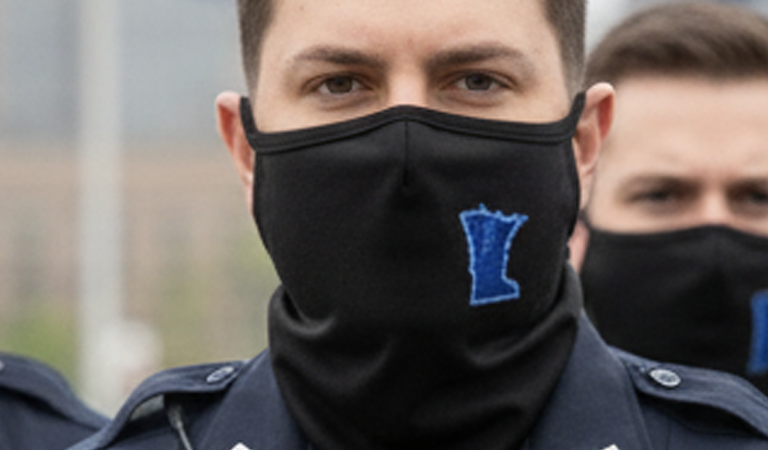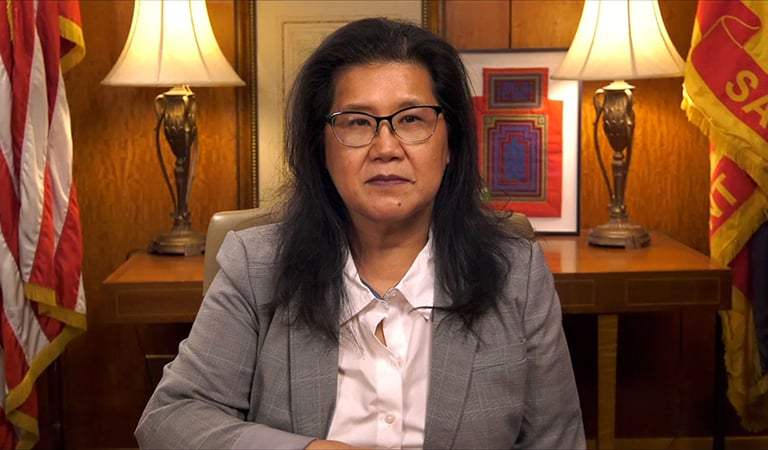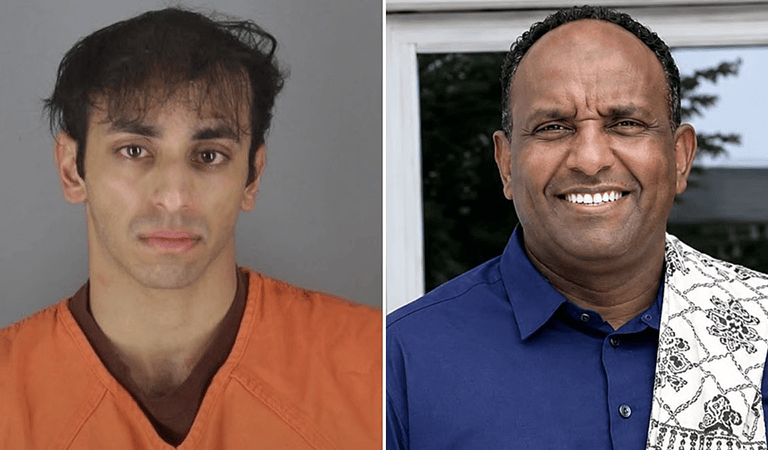

Overview: Minnesota communities of color are driving major civic momentum following Peggy Flanagan’s historic U.S. Senate victory, urgent protests over a brutal assault on a Somali Uber driver, and St. Paul’s launch of new Reparations Commission appointments.
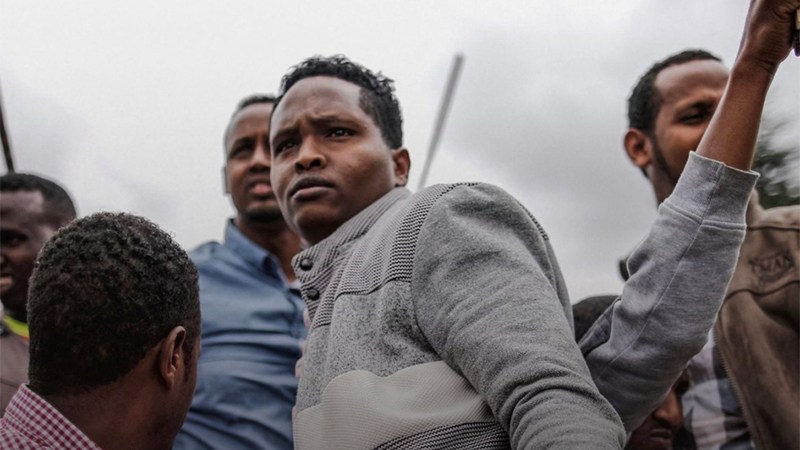
Communities of color mobilize after a brutal attack on a Somali Uber driver, Peggy Flanagan’s historic Senate win, and new St. Paul reparations openings.
Twin Cities and Minnesota News This Week: Minnesota Communities of Color: Rideshare Safety, Senate History, and Reparations
Minnesota communities of color are exercising decisive political influence while demanding stronger protections for working families. From tribal nations celebrating historic federal representation to Somali residents rallying for driver safety, grassroots organizing is reshaping state policy. These developments show how cultural leadership and civic engagement are translating into tangible policy initiatives across the Twin Cities and greater Minnesota.
Rideshare Safety Protests and Community Policing Demands
Public safety for gig workers and youth has sparked urgent mobilization across Minneapolis and St. Paul. Over 100 community members and leaders from CAIR-Minnesota gathered outside Hennepin County Medical Center to demand a hate crime investigation after Somali American father Mohamed Yusuf was beaten into a coma while driving for Uber. Simultaneously, Somali leaders met with Twin Cities police officials to push for targeted arrests around recent shootings without stigmatizing innocent youth.
- Advocates and the Minnesota House POCI Caucus demanded stronger safety protections for rideshare drivers after the assault on Mohamed Yusuf.
- Somali community leaders pressed local police for better coordination to curb youth gun violence.
- A post-election study revealed that anti-Somali rhetoric during the 2026 cycle drove many previously conservative Somali voters toward Democratic candidates.
Historic Senate Representation and St. Paul Reparations
Political milestones and local reparative policies are opening new avenues for institutional equity. Tribal members across the White Earth, Leech Lake, and Mille Lacs reservations are organizing around housing and treaty rights after Peggy Flanagan became the first Native American woman elected to the U.S. Senate. In St. Paul, the City Council opened a 30-day application window to fill five seats on the Community Reparations Commission to guide local investments for descendants of enslaved people.
Summary of Cultural and Political Momentum
These movements demonstrate how sustained advocacy converts community solidarity into structural reform. Leaders tracking economic equity and representation in the Twin Cities will find that grassroots coalitions are setting the agenda for 2027.
Sources:
https://sahanjournal.com/public-safety/somali-uber-driver-attack-hate-crime-investigation-cair
https://sahanjournal.com/politics/peggy-flanagan-senate-win-tribal-nations-reaction
Get more local news
#MinnesotaCommunities #RideshareSafety #StPaulReparations