
Overview: The Chicago budget crisis escalated after Chief Financial Officer Ashlee Gabrysch resigned and S&P Global warned of a 50% chance of a credit downgrade within 90 days. Meanwhile, new data revealed Black and Latino neighborhoods face double the citywide vehicle booting rate, and developers unveiled a Bronzeville Chicago Bears stadium pitch while state funding remains frozen.
City Hall faces a high-stakes December deadline while Wall Street threatens a credit downgrade, municipal booting traps South and West Side drivers, and Bronzeville Bears stadium talks stall in Springfield.
Chicago Top Headlines: Chicago Budget Crisis Deepens Over Credit Warnings, Booting Disparities, and Bears Stadium Pitch
Chicago budget crisis negotiations reached a boiling point this week as City Hall scrambled to close a $400 million shortfall, Wall Street threatened a credit downgrade, and investigators exposed harsh municipal vehicle booting disparities on the South and West Sides.
How the Chicago Budget Crisis Threatens City Services and Taxpayers
The Chicago budget crisis took a sharp turn after Chief Financial Officer Ashlee Gabrysch abruptly stepped down citing integrity concerns over financial disclosures. In response, the Chicago City Council voted 45 to 5 to launch an independent outside audit of city finances ahead of the December 29 deadline.
Wall Street reacted fast. S&P Global Ratings placed Chicago’s general obligation debt on CreditWatch with negative implications, warning of at least a 50% chance of a credit downgrade within three months. Lower bond ratings drive up borrowing costs, leaving fewer dollars for neighborhood infrastructure and public services.
- The $400 Million Gap: Mayor Brandon Johnson and council opponents remain deadlocked over a proposed corporate head tax and a commercial lease tax hike.
- Progressive Pushback: Activists rallied outside Alderman Monique Scott’s office to demand corporate tax hikes, while the council passed a symbolic resolution backing a statewide millionaires tax.
- Audit Mandate: Independent accountants will review whether the administration relied too heavily on one-time revenue fixes rather than structural spending cuts.
You can read more about how municipal fiscal battles affect local families in this breakdown on Chicagoland financial news from The Narrative Matters.
Vehicle Booting Disparities Compound the Chicago Budget Crisis for Working Families
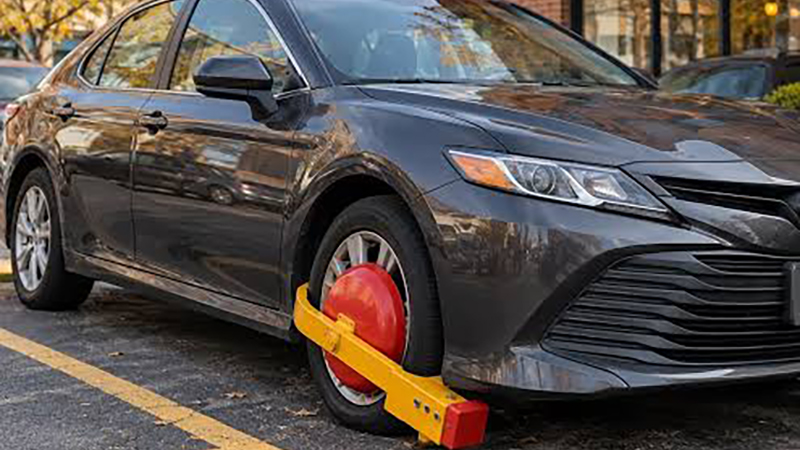
While alderpeople debate corporate taxes, aggressive municipal fine enforcement is already draining wealth from working-class residents. A joint investigation by WBEZ and the Chicago Sun-Times found that drivers in majority-Black and Latino neighborhoods on the South and West Sides are booted at twice the citywide rate.
When families fall behind on parking or speed camera tickets, a vehicle boot stops them from getting to work, school, or medical appointments. For community leaders, relying on punitive fines to pad city revenue during a Chicago budget crisis creates a cycle of debt that hurts local economic growth.
Bronzeville Bears Stadium Proposal Collides With Springfield Gridlock
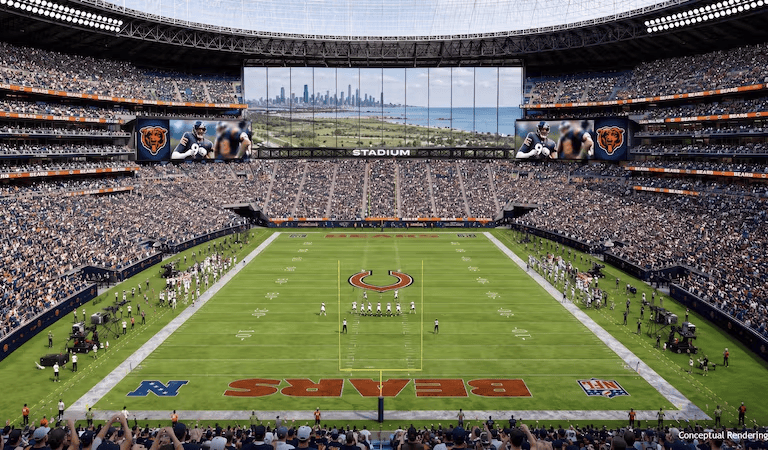
Economic development took center stage on the South Side as private developers pitched a massive new Chicago Bears stadium in Bronzeville. Supporters argue the project could anchor jobs and tourism in a historic Black neighborhood without forcing taxpayers to foot the entire bill.
However, momentum remains stalled in Springfield. Illinois lawmakers paused their fall veto session until after Thanksgiving without advancing legislation to create a stadium financing authority, leaving the Bronzeville pitch and statewide school funding debates in limbo.
Summary
Chicago stands at a financial crossroads where high-level bond ratings, aggressive ticketing enforcement, and mega-development pitches all collide. Closing the $400 million gap without hurting working families or triggering an S&P Global downgrade will test City Hall’s leadership before year-end.
Sources:
#ChicagoBudgetCrisis #ChicagoPolitics #SouthSideChicago