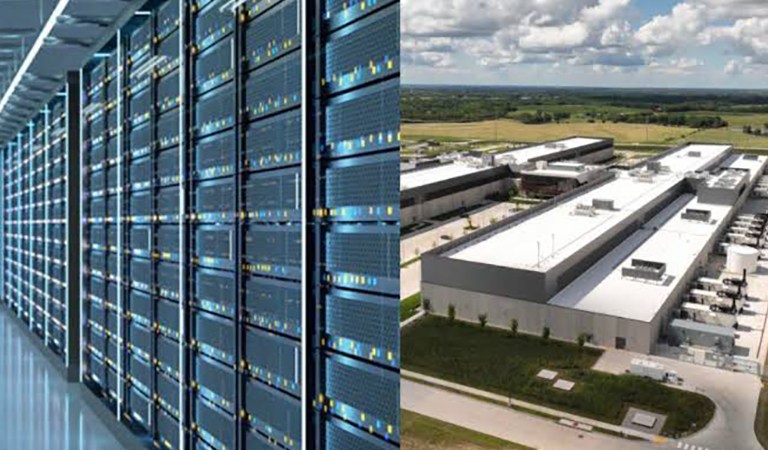

Overview: Illinois power grid demands are surging as ComEd projects a 3.1 billion dollar infrastructure bill to link newly approved commercial data centers. This massive utility pressure hits northern Illinois as federal and local agencies respond to a thwarted mass shooting plot at an Aurora Hindu temple, leaving residents grappling with public safety concerns and stubborn household inflation.
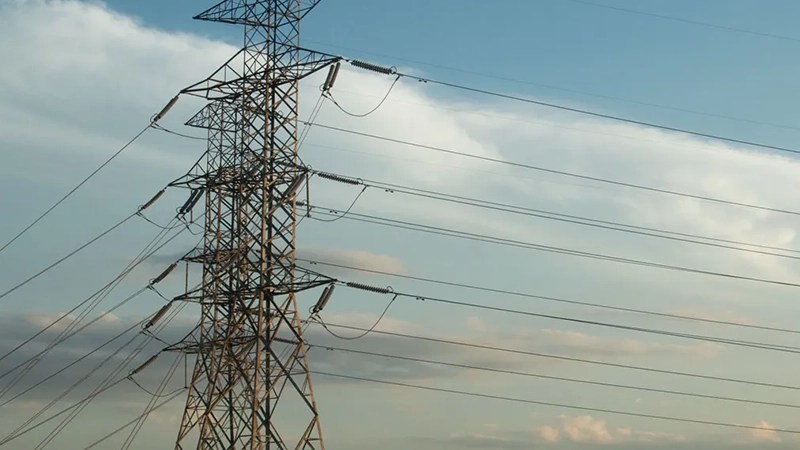
Massive 3.1 billion dollar utility upgrade estimates collide with heightened cultural security in Aurora and rising grocery bills across northern Illinois.
Chicago Top Headlines: Regional Infrastructure, Criminal Plots, and Rising Living Costs
Illinois Power Grid Demands Collide with Public Security Concerns and Family Budgets
Illinois power grid demands have entered uncharted territory. As tech developers build out massive commercial data campuses across northern Illinois, the actual cost of keeping the lights on is falling directly on regional utilities and retail consumers.
The 3.1 Billion Dollar Clean Energy Dilemma
Commonwealth Edison released an assessment showing that connecting a wave of newly approved data facilities to the power network will require 3.1 billion dollars in capital improvements. Industrial tech corridors bring jobs, but the energy draw requires heavy substation rebuilds and transmission upgrades.
Regulators at the Illinois Commerce Commission are weighing whether data center operators should bear the entire burden upfront or share those capital expenses across the broader ratepayer pool.
Security Alert Following Aurora Temple Arrests
Suburban public safety remains in the national spotlight following the interception of an armed attack. Federal prosecutors and local law enforcement disrupted a planned mass casualty shooting aimed at the Sri Venkateswara Swami Temple in Aurora.
Community organizations across Cook and DuPage counties held public forums to coordinate safety protocols with area police departments. Faith leaders continue calling for increased federal protection grants and cultural protection measures across minority neighborhoods.
Families Cut Back as Everyday Inflation Lingers
The economic squeeze extends directly into local grocery aisles. Regional surveys show that over 40 percent of area households describe their finances as precarious, with essentials like groceries, rent, and even festive holiday treats hitting record highs due to global supply chain snarls.
Read more perspectives on regional economic equity and cultural resilience over at The Narrative Matters. You can track official rate filings and state grid modernizations directly through the Illinois Commerce Commission.
Summary
Northern Illinois faces a critical test across technology, community safety, and basic affordability. Reconciling billion dollar energy modernizations with grassroots community security and stable household finances will determine the region’s path forward.
#IllinoisNews, #CleanEnergyGrid, #SuburbanSafety