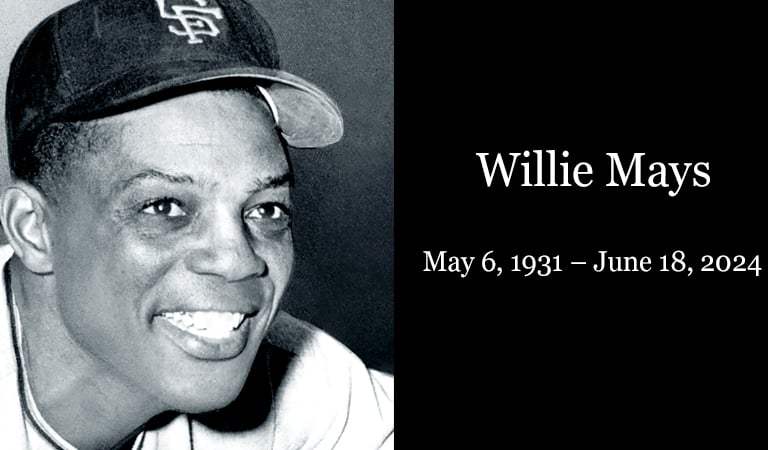


Overview: This installment of The Winner’s Circle reframes iconic Black and Latino baseball giants—chiefly Willie Mays, Roberto Clemente, Hank Aaron, and Pedro Martinez—not just as generational Hall of Fame athletes, but as blueprints for sustained market disruption. By matching raw numbers against their peers, the piece demonstrates how these icons established competitive longevity, cultural power, and peak efficiency in environments designed to suppress their success.
How baseball legends transformed cultural barriers into masterclasses of athletic dominance and longevity
The Winner’s Circle: When Mastery Rewrote the Playbook
Every industry has top performers, but only a handful of figures redefine how the game gets played. In baseball, breaking through did not simply require superior talent. It required thriving while the entire environment tried to limit your ceiling.
When we study the absolute pinnacles of the sport, Willie Mays and Roberto Clemente stand out not merely as elite athletes, but as standard-setters whose influence permanently altered the cultural and competitive landscape. Looking at their output alongside their contemporaries offers an unmatched masterclass in consistency, adaptability, and pure execution under pressure.
The Standard of Completeness: Willie Mays
If you ask any old scout to build the perfect ballplayer in a lab, they build Willie Mays.
Mays did not just lead categories; he created the modern definition of the five-tool player. Over a 23-season career, he collected 660 home runs, 3,293 hits, 339 stolen bases, and 12 consecutive Gold Gloves in center field. He made 24 All-Star appearances. His career OPS landed at .940, backed by a lifetime .301 batting average.
Consider the landscape he operated in during the 1950s and 1960s. His primary peer in center field was Mickey Mantle. Mantle possessed mind-bending power and on-base skills, but his body broke down under injury. Mays stayed on the field. Between 1954 and 1966, Mays played at least 150 games in almost every single campaign, running down balls in the cavernous Polo Grounds and windy Candlestick Park.
Another peer, Duke Snider, put up massive power numbers for Brooklyn, but Snider was an offensive specialist whose peak tapered sharply in his thirties. Mays evolved. When his footspeed slowed slightly in the mid-1960s, he compensated with unmatched plate discipline, walking over 100 times a year and remaining an MVP contender at age 34. He demonstrated that true elite capability is not just peak flash, but durable, year-over-year production that outlasts market cycles.
The Power of Cultural and On-Field Leverage: Roberto Clemente
Dominance in business and sport often comes down to presence. Nobody carried themselves with more commanding presence than Roberto Clemente.
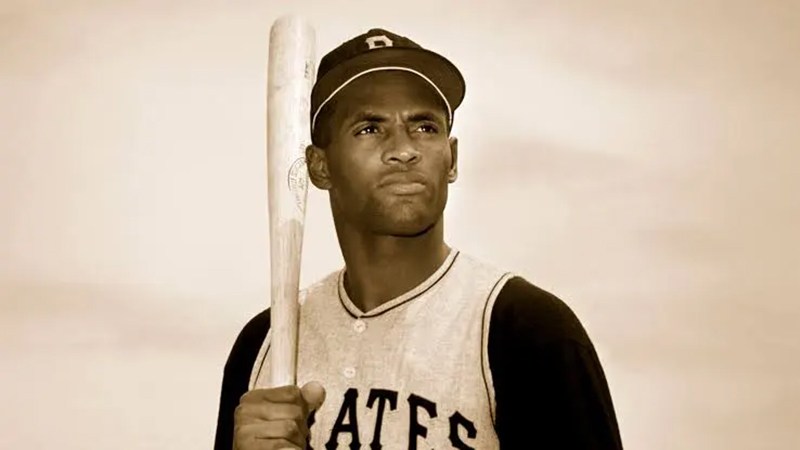
Playing 18 seasons in Pittsburgh, Clemente finished with exactly 3,000 hits, four National League batting titles, a career .317 average, and 12 straight Gold Gloves. His arm from right field was not just a defensive weapon; it was an active deterrent. Base runners simply stopped testing third base when the ball went to his corner.
Put Clemente side-by-side with his era’s great outfielders. Al Kaline was a model of American League excellence with 3,007 hits and 10 Gold Gloves, but Kaline played in a more forgiving media market and did not face the heavy bilingual and racial headwinds that Clemente navigated daily. Frank Robinson carried more raw slugging power, yet Clemente brought a total floor-raising effect to his clubhouse, leading the Pirates to World Series championships in 1960 and 1971. In that 1971 Fall Classic against a loaded Baltimore Orioles pitching staff, Clemente hit .414 and controlled every facet of the series.
Clemente showed that when your fundamental skills are undeniable, you can force the establishment to respect you on your own terms. He transformed Latin presence in Major League Baseball from an overlooked talent pool into an indispensable pillar of the brand.
The Parallel Titans: Pedro Martinez and Hank Aaron
To appreciate how high the bar sits, you have to look at the specialists who solved specific problems better than anyone else alive.
Hank Aaron approached power hitting like a master craftsman. He did not chase 60-home-run spikes. Instead, he hit at least 30 home runs in 15 different seasons. While contemporaries like Harmon Killebrew struck out in massive volume to hit the long ball, Aaron walked nearly twice as often as he struck out over his career. He finished with 755 home runs and remains baseball’s all-time leader with 2,297 RBIs. Aaron proved that quiet, metronomic execution beats erratic brilliance every single time.
On the mound, Pedro Martinez delivered the highest peak performance the sport has witnessed. In 1999 and 2000, right in the heart of the most inflated offensive environment in history, Pedro put up back-to-back ERAs of 2.07 and 1.74 while striking out 597 batters and walking only 69. During that same window, the league ERA sat near 5.00. While Roger Clemens relied on raw brute force, Pedro dismantled hitters with three pitches delivered from identical release points. He solved a broken, high-offense market by becoming surgically efficient.
The Playbook for Long-Term Wins
What ties Mays, Clemente, Aaron, and Martinez together is not luck or favorable conditions. It is how they operated when conditions were actively stacked against them.
They mastered fundamentals until their execution became automatic. They did not chase trends; they forced the competition to adjust to their pace. Whether you are leading a team, scaling a venture, or building a personal brand, the formula remains unchanged: turn your skill into an absolute guarantee, deliver under hostile conditions, and let the numbers speak for themselves.
#WinnersCircle #BaseballHistory #MLBIcon