

Overview: Representative Greg Casar introduced landmark AI superintelligence legislation aiming to place a strict federal moratorium on advanced AI development and create a cabinet-level oversight department. The regulatory push coincides with a major New York lawsuit targeting Polymarket and midterm approval ratings falling to 32 percent.
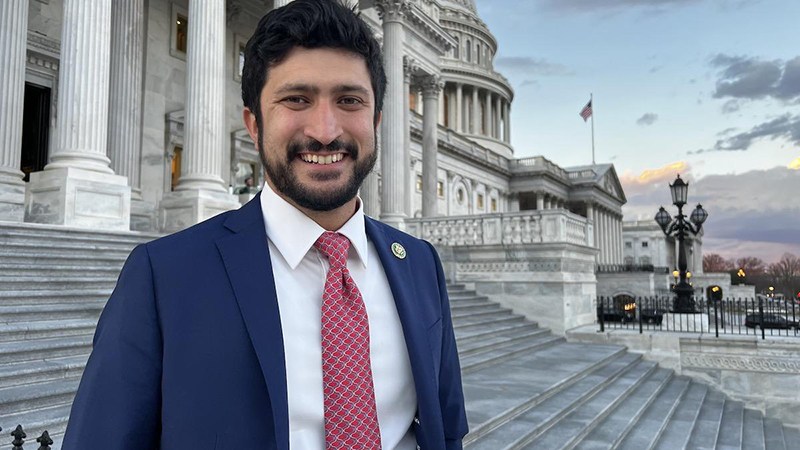
Representative Casar takes aim at frontier synthetic systems as midterm poll numbers drop and New York sues Polymarket.
AI Superintelligence Legislation Ignites Capitol Hill and Market Turmoil
AI superintelligence legislation introduced by U.S. Representative Greg Casar marks a pivotal shift in how lawmakers intend to regulate synthetic intelligence. Dubbed the Ban Artificial Intelligence Superintelligence Act, the bill targets frontier foundational models that outmatch human capabilities. By seeking a cabinet-level Department of AI, lawmakers are moving past soft voluntary pledges into binding federal oversight.
Electoral Pressures Reshape the Tech Agenda
Capitol Hill rarely moves this aggressively without significant political pressure. The legislative push comes as new national surveys place President Donald Trump’s approval rating at 32%, marking a record low just six weeks before midterm voting. Lawmakers running in tight districts want visible consumer protections to show voters before November.
At the same time, state regulators are asserting authority over predictive technology. New York Attorney General Letitia James launched major legal action against prediction platform Polymarket, categorizing decentralized betting as unlawful gambling. For official regulatory context on automated financial markets, review guidance issued by the Commodity Futures Trading Commission.
Regulatory and Political Pressure Points
Representative Greg Casar’s bill demands an immediate operational pause on advanced AI models outperforming human experts.
Proposed statutory mandates require mandatory security vetting before any foundational neural architecture enters commercial deployment.
Midterm headwinds intensify across suburban battleground districts as national approval metrics dip to 32%.
State enforcement teams target prediction markets, creating jurisdictional disputes between state prosecutors and federal digital asset frameworks.
Passing AI superintelligence legislation will demand bipartisan coordination across a divided legislature. Tech founders and enterprise leaders must prepare for direct regulatory audits, strict model reporting, and a shifting consumer base that wants accountability from Silicon Valley.
#AIRegulation #CapitolHill #TechPolicy