
Overview: What Are This Week’s Health Plays?
- Plate Half Produce: Filling fifty percent of your plate with vegetables and fruits naturally ramps up dietary fiber, micronutrient density, and steady satiety to prevent energy crashes.
- Declutter Desk Clutter: Clearing your primary workstation removes extraneous visual static, lowers subconscious stress, and sharpens task focus.
- Apply the 5-Minute Rule: Committing to just five minutes of movement bypasses initial workout resistance, building momentum and lowering the intimidation factor of exercise.

DISC Health Equity Action Lab
Practical Daily Plays for Balanced Nutrition, Mental Clarity, and Frictionless Fitness
In partnership with Howard University Hospital
Sustainable wellness does not require an overhaul of your entire routine overnight. Real vitality comes from practical, consistent decisions that fit seamlessly into daily life. From filling half your meal with fiber-rich produce and clearing physical workspace clutter to overcoming workout hesitation with a simple mental framework, here are three actionable health plays of the week powered by DiSC Health and Howard University Hospital.
1. General Health Facts: Make Half Your Plate Vegetables and Fruits
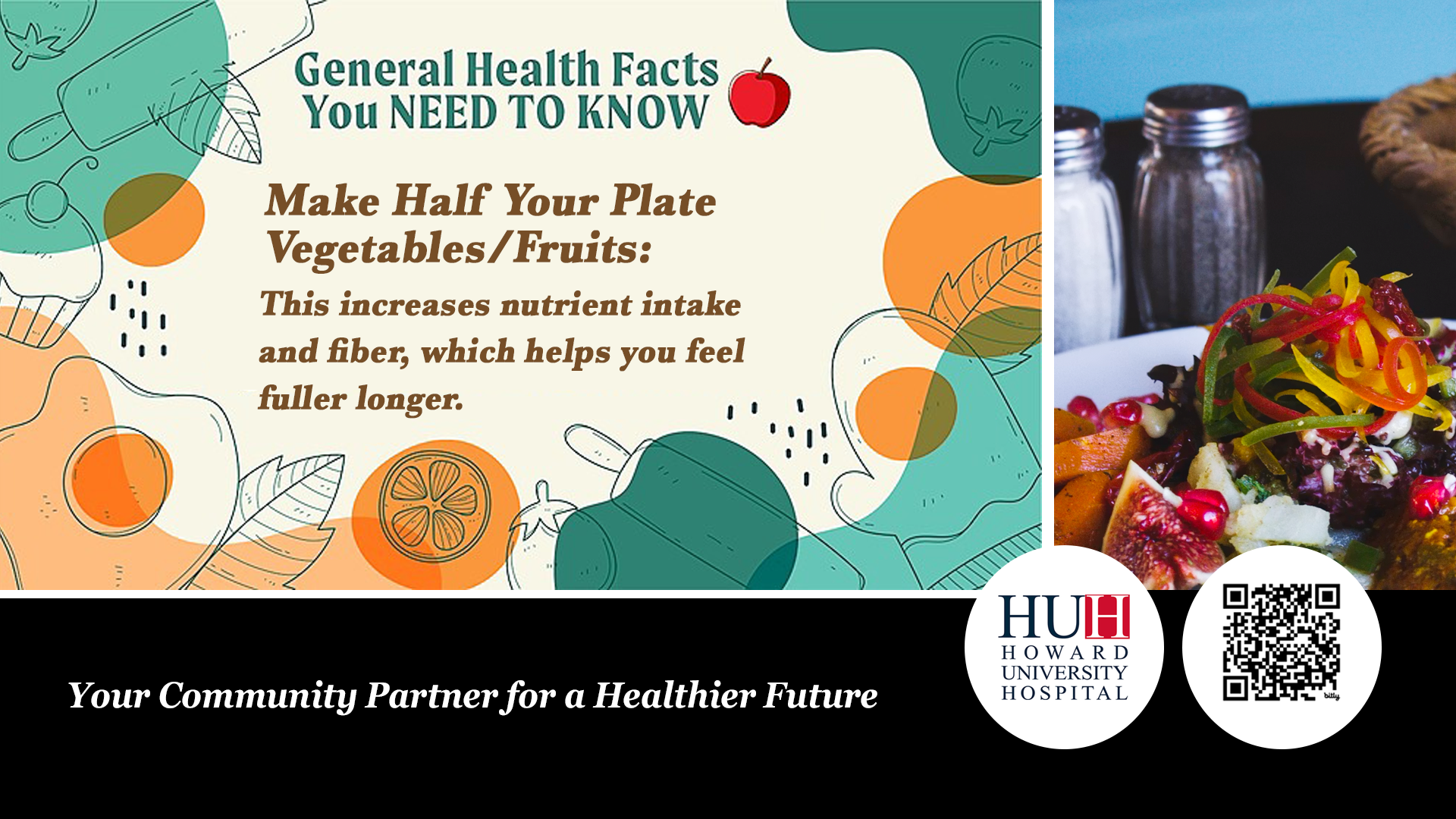
Eating for long-term health does not mean complicated calorie counting. A simpler, far more sustainable strategy is to focus on visual balance: make half of every meal plate vegetables and fruits.
When you prioritize colorful whole produce, you automatically flood your system with essential vitamins, minerals, and dietary antioxidants. Crucially, fruits and vegetables supply soluble and insoluble fiber. Fiber slows down gastric emptying and stabilizes blood glucose spikes, helping you feel satisfied longer after dining. This gentle satiety curbs afternoon cravings and reduces mindless snacking, all while nourishing gut flora and promoting steady cardiovascular health.
Quick Action Step: At lunch and dinner, dish out your leafy greens, roasted vegetables, or raw salad before adding carbs or proteins to guarantee vegetables claim their rightful half of the plate.
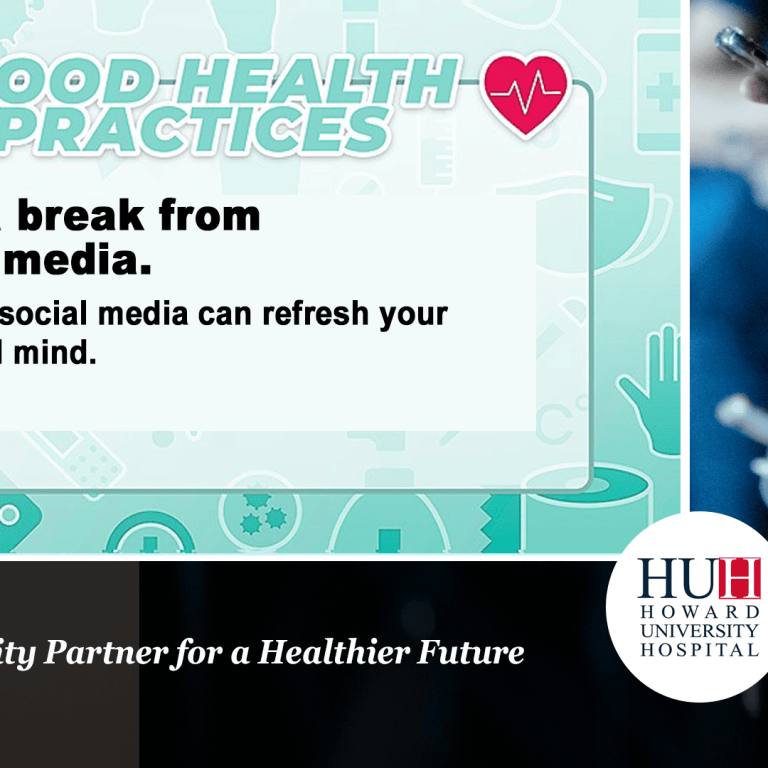
2. Good Health Practices: Declutter Your Immediate Workspace

Your physical surroundings directly influence cognitive clarity and neurological calm. A chaotic desk piled with loose documents, cords, and forgotten coffee mugs acts as constant sensory background noise, competing for your brain’s attention.
Taking five to ten minutes to tidy your immediate work area produces an immediate mental payoff. Clearing away unnecessary clutter lowers cortisol spikes associated with feeling disorganized and overwhelmed. A clean desk streamlines efficiency, minimizes visual distractions, and allows you to channel deep focus toward the task at hand.
Quick Action Step: Before logging off for the day or starting a deep-work block, clear everything off your desk surface except your computer, notebook, and a glass of water.
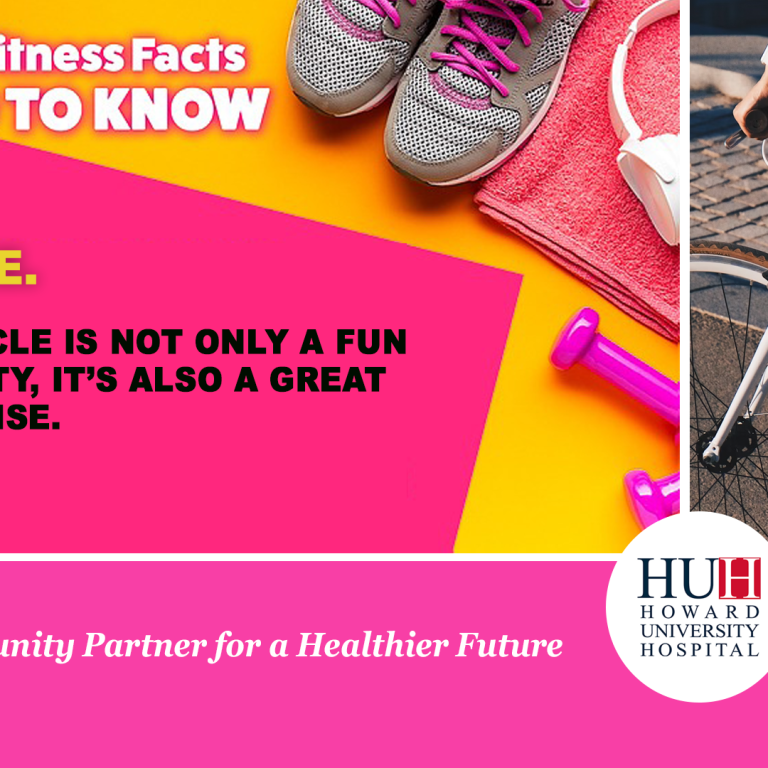
Health and Fitness Facts: Beat Resistance with the 5-Minute Rule

The hardest part of any workout is rarely the physical effort itself; it is the mental friction required to put on your shoes and begin. When a full hour or even thirty minutes of exercise feels daunting, reframe the expectation using the 5-Minute Rule.
Give yourself full permission to move for just five minutes. Whether that means walking briskly around the block, doing gentle mobility stretches, or picking up light weights, commit strictly to that tiny window. Once the body begins moving and circulation increases, psychological inertia evaporates. In most cases, you will find yourself motivated to keep going and finish a complete session. Even if you stop at five minutes, you have successfully reinforced the daily habit of movement without intimidation.
Quick Action Step: The next time you feel too tired or busy to exercise, tell yourself: “I only have to do five minutes.” Step onto the floor and let momentum take care of the rest.
Optimal wellness is built on small, smart choices. Balancing your nutrition with fiber-rich produce, creating an organized workspace for peace of mind, and using micro-commitments to stay physically active provide practical, sustainable health for every day of the week.
Howard University Hospital (HUH) serves as your trusted community partner for a healthier future. Scan the QR code on any of this week’s slides to explore community health resources, specialty services, and clinical care.
About
DISC Health
The Health Equity Action Lab (HEAL) is an initiative by Dynasty Interactive Screen Community aimed at addressing health disparities in the U.S. and globally. By engaging media and stakeholders, HEAL seeks to reduce health inequalities and raise awareness. Their approach includes overcoming socio historical barriers and confronting the institutional, social, and political factors that perpetuate healthcare inequality.
Learn more about the health education partnership:
Howard University Hospital (HUH)
Howard University Hospital, established in 1862 as Freedmen’s Hospital, has a rich history of serving African Americans and training top medical professionals. Located in Washington, D.C., it is the only teaching hospital on the campus of a historically Black university. HUH is a Level 1 Trauma Center and a critical healthcare provider for underserved populations. It offers advanced medical services, including robotic surgery, and has received numerous accolades for excellence in specialties like heart care, stroke treatment, and radiology.
Learn more about Howard University Hospital (HUH)
Howard University Faculty Practice Plan (FPP)
The Howard University Faculty Practice Plan is a multi-specialty physician group in Washington, D.C., dedicated to advancing healthcare and eliminating health disparities. It offers comprehensive services, including primary and specialty care, mental health, imaging, and cancer care, all connected to Howard University Hospital. FPP emphasizes patient-centered, respectful care for the diverse community and provides free health screenings and events to promote wellness.
Learn more about Howard University Faculty Practice Plan (FPP).
Get more Disc Health Weekly Tips:
#HealthTips #WellnessHabits #HealthyLiving