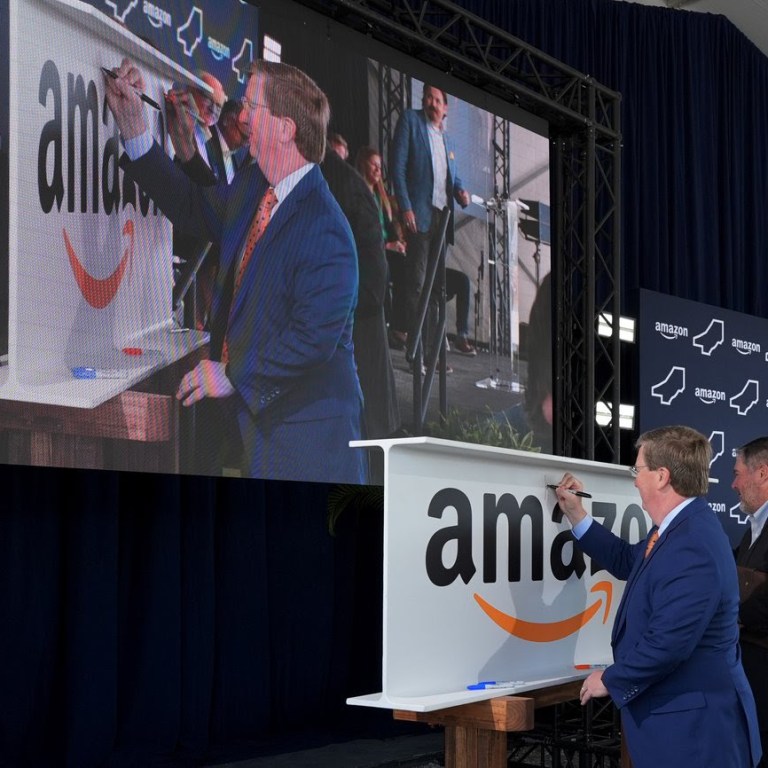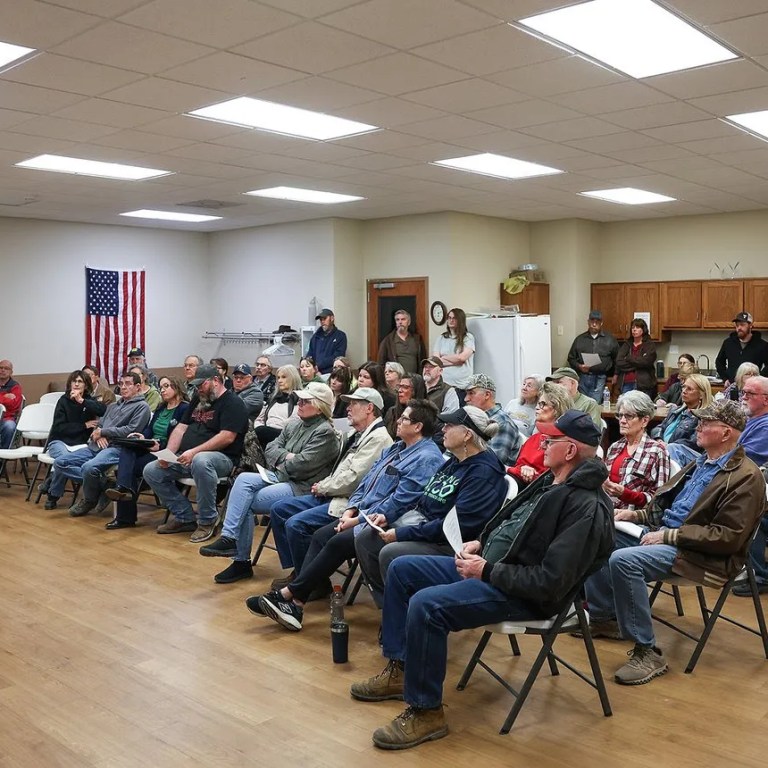

Over 75% of member cities in the Mississippi River coalition have been approached to host advanced AI infrastructure, signaling a significant push towards smart city initiatives and technological innovation in the region.
Héctor Alejandro Arzate, Mississippi River Basin Ag & Water Desk
Mississippi River mayors came together this week to help river communities evaluate data center proposals, as the facilities continue to rapidly expand across the basin.
There are already more than 3,000 active data centers throughout the United States, including in Minnesota, Iowa, Illinois, Missouri and Tennessee. As the need for artificial intelligence and data storage grows, more cities and counties are being approached by companies interested in building data centers in their communities. About three-quarters of the data centers currently planned are in the South or Midwest, according to a report from the Pew Research Center.
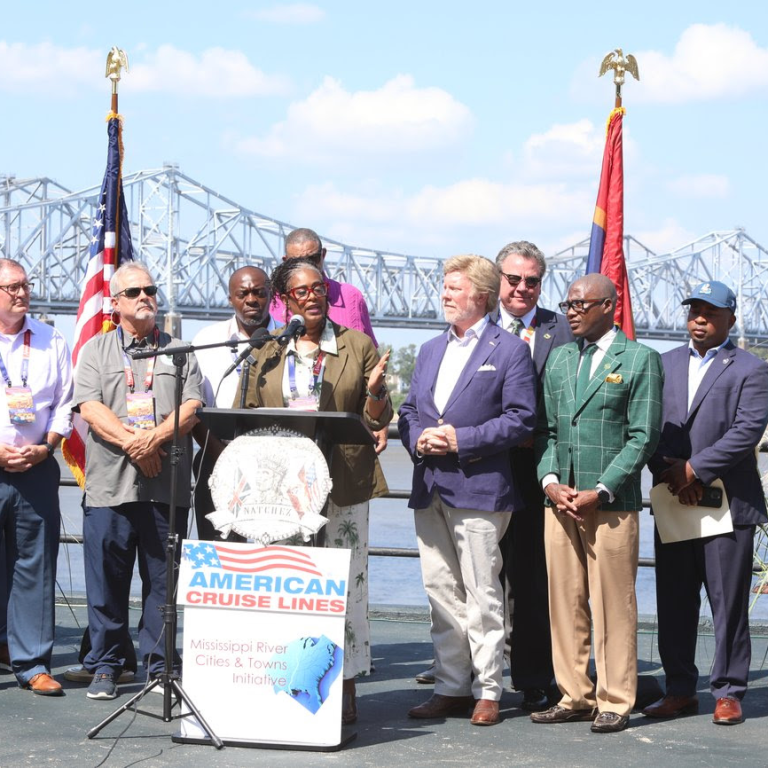
“We are now dealing with data centers and what that looks like,” said Melisa Logan, mayor of Blytheville, Ark., at a press conference on Wednesday in Natchez, Miss. “Construction of data centers in the United States has now reached a record $4.4 billion per month.”
Logan is also co-chair of the Mississippi River Cities and Towns Initiative, a group of more than 100 river communities that span from Minnesota down to Louisiana. So far, more than 75% of MRCTI member cities have already been approached to host some form of AI infrastructure, Logan said. Many have asked the organization for guidance on how to protect community resources, such as water and utility service.
At the group’s annual meeting this week, the MRCTI announced two new resources to help river communities evaluate data center proposals. The first resource is the so-called data center “Wishlist,” which was developed in collaboration with the Sierra Club to help elected officials better understand both the risks and benefits from data center construction in their communities.
Another framework, originally developed by the Future Caucus of the Missouri House of Representatives, aims to help communities evaluate the fiscal return of projects. It factors in public cost protections, resource usage and community benefits.
David Goins, the mayor of Alton, Ill., said it is important that communities look at possible data centers with “eyes wide open and considerations fully understood.” With 139 data centers already in operation and more than 100 in development, his state houses the most data centers along the Mississippi River. “Communities need to be able to decide for themselves on how to best engage AI opportunities,” Goins said.
As local communities weigh proposals for data centers, Missouri state Rep. Colin Wellenkamp, who also serves as MRCTI’s executive director, said he wants elected officials across the Mississippi River Basin to be prepared to engage in those conversations. The purpose of the new resources, he said, is to “help our communities ask the right questions.”
This story is a product of the Mississippi River Basin Ag & Water Desk, an independent reporting network based at the University of Missouri in partnership with Report for America, with major funding from the Walton Family Foundation.