

Overview: Pre-winter home maintenance is the single most cost-effective insurance policy a homeowner can hold. By taking on simple autumn preventative measures—clearing out leaf-clogged gutters, sealing and insulating exterior pipes, and servicing heating systems—homeowners can avoid catastrophic seasonal expenses like burst pipes, foundation erosion, and basement flooding before freezing weather hits.


Sponsored by The Branch Insurance Group
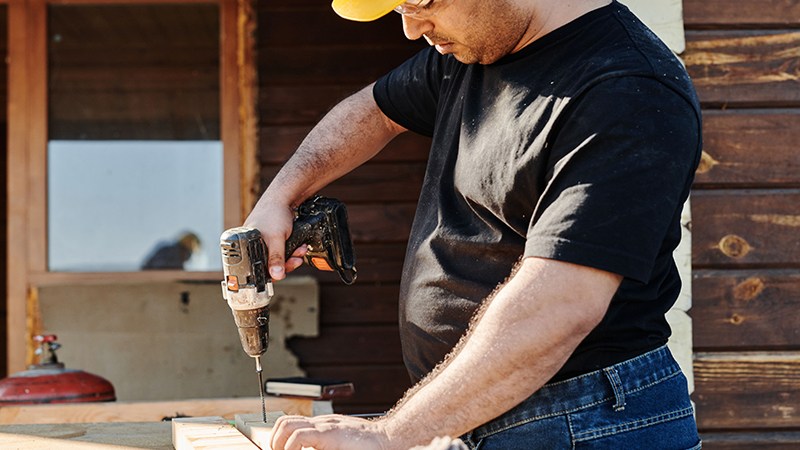
Prevent costly insurance claims and cold-weather headaches with straightforward autumn maintenance for your drainage, plumbing, and rooflines.
Preparing your home for cooler weather does more than create a comfortable living space—it shields your property from costly seasonal damage and ensures your insurance policy remains in good standing.
Insurance policies are designed to cover sudden, accidental losses, not gradual issues stemming from deferred maintenance. Taking time in the autumn to inspect critical structures and review your coverage helps you avoid expensive out-of-pocket surprises when winter storms arrive.
Inspection and Structural Maintenance
Exterior vulnerabilities become major liabilities once freezing temperatures and heavy precipitation set in. Addressing routine repairs now keeps moisture out and prevents severe structural hazards.
- Check the roof: Inspect shingles for signs of curling, cracking, or missing sections. Damaged roofing allows autumn rain and melting winter snow to penetrate the underlayment, leading to leaks, attic rot, and ruined insulation.
- Clean the gutters: Clear out fallen leaves, twigs, and accumulated sediment. Blocked gutters force water to overflow against your home’s siding and pool at the foundation, which can crack masonry or flood basements.
- Inspect nearby trees: Identify dead, rotting, or overhanging branches. High winds and early ice storms can easily snap weak limbs, sending them crashing into roofs, siding, or power lines.
- Seal windows and doors: Inspect caulking and install fresh weatherstripping around exterior openings. Sealing gaps eliminates drafts, lowers heating costs, and prevents wind-driven rain from seeping into wall framing.
Heating and Safety Systems
Before turning on heat sources for the season, verify that every system operates cleanly, efficiently, and safely.
- Service the furnace: Schedule an annual tune-up with a licensed HVAC technician to change filters, check burner efficiency, and inspect heat exchangers for hazardous cracks.
- Test smoke and CO alarms: Test every smoke and carbon monoxide detector in the house. Install fresh batteries and replace any detector unit older than 10 years (or CO detectors older than 5 to 7 years).
- Sweep the chimney: Have a certified professional clean and inspect your fireplace flue. Clearing dangerous creosote buildup significantly reduces the risk of chimney fires.
- Drain outdoor plumbing: Disconnect, drain, and store garden hoses. Shut off interior shut-off valves leading to exterior spigots and open the outside faucets to drain residual water, preventing burst pipes when temperatures dip below freezing.
Aligning Your Coverage with Branch Insurance Group
Preventative upkeep protects your physical home, but an up-to-date policy provides the financial safety net when severe weather strikes. Reviewing your policy with Branch Insurance Group ensures your coverage reflects current market conditions and home values.
- Review dwelling coverage: Building material and labor costs fluctuate. Review your policy limits with Branch Insurance Group to ensure your dwelling coverage matches the realistic cost to rebuild your home today.
- Confirm deductibles: Understand the exact deductibles tied to specific perils, including separate deductibles for wind, hail, or named storms, so out-of-pocket costs are clear before filing a claim.
- Update your home inventory: Walk through your living spaces with a smartphone to record video and take photos of high-value electronics, furniture, and appliances. Keep copies of receipts for major purchases made throughout the year.
- Report major improvements: Inform your agent about any recent upgrades—such as a newly built deck, a finished basement, a renovated kitchen, or a replaced roof. Significant structural changes increase your home’s replacement value and require updated policy terms.
For personalized policy assessments, deductible reviews, or to update your coverage limits before winter arrives, consult the team at Branch Insurance Group.

#HomeMaintenance #WinterPrep #HomeImprovement